


Share

Prepare yourself for the best plants that attract bees and butterflies for a colourful and nectar-ful garden.
During the spring and summer, you may want to try bringing as many pollinators to your garden as possible. Pollinators include bees and butterflies, and with the bee population gradually declining each year, you want to try your best to attract as many bees and butterflies as possible to your garden. Therefore, in this article, you will find our picks for the top 16 best bee friendly plants that attract butterflies too, as well as creating your own nectar cafe and other ways to attract wildlife.
- Creating a Bee-Friendly Garden
- Why Do Pollinators Matter?
- Bee Friendly Plants That Also Attract Butterflies
- 1. Catmint
- 2. Alliums
- 3. Chives
- 4. Lavender
- 5. Comfrey
- 6. English Ivy
- 7. Geranium
- 8. Foxglove
- 9. Monarda
- 10. Exotic Peony
- 11. Sedum
- 12. Verbena bonariensis
- 13. Dianthus
- 14. Salvia
- 15. Leucanthemum ‘Madonna’
- 16. Agapanthus ‘Silver Baby’
- Cultivate A Bee-Friendly Plant Filled Paradise
- FAQs
- Sources
Creating a Bee-Friendly Garden
There is something truly therapeutic about watching bees and butterflies collecting nectar from your garden plants, knowing that your hard gardening work hasn’t gone unnoticed by wildlife. These charming insects not only captivate our senses but also play a pivotal role for pollinating flowers.
While bees are the most well-known pollinators, other insects, including butterflies, moths, wasps, beetles, and flies, are considered pollinators too. Bees, in particular, will usually appear in the UK during spring and summer seasons. Many species would struggle to survive without the hard work that bees bring to wildlife; in fact, the Government website has even highlighted the current status of pollinating insects.
Additionally, there are over 60 different breeds of butterflies that can be spotted in the UK, and if you want to attract some of these to your garden, then you need to consider adding these plants for bees and butterflies.
Why Do Pollinators Matter?
Varieties of insects help to pollinate essential crops and native wildflowers, facilitating the need for the decomposition of organic matter like dead leaves and animal remains, as well as helping to control harmful pests, promote soil health, and serve as a crucial food source for various birds, reptiles, amphibians, bats, and small mammals.
As mentioned, insect populations are declining worldwide. The good news is that our gardens can serve as a safe haven for countless insect species, providing nourishment and shelter. To transform your garden into a paradise for pollinators, you need to know how to step up your own nectar cafe:
- A sunny location: The best spot for building your nectar cafe is in a sunny location, which will bring plenty of sunlight and protect them from harsh winds.
- Plant in Clusters: Arrange pollinator-friendly plants in groups or clusters to help insects easily find and access the flowers.
- Extend Blooming Period: Choose a mix of plants that flower from early spring to late autumn, as this will provide a constant supply of nectar and pollen.
- Opt for Simple Flowers: Pick flowers with flat, open structures, like those in classic cottage varieties, as they’re easier for insects to feed on.
- Nighttime Blooms: Include night-scented flowers to attract moths, essential nighttime pollinators.
- Introduce Herbs: Consider adding herbs to your garden or creating a dedicated herb garden, as they are highly appealing to insects.
Alongside your nectar cafe, you could also consider building a bug hotel as well. However, be sure to keep these two areas distant from each other in your garden, in case it attracts unwanted predators.
Bee Friendly Plants That Also Attract Butterflies
Now that you know how to set up your own nectar cafe, we can now begin highlighting the best plants for bees and butterflies for you to include:
1. Catmint
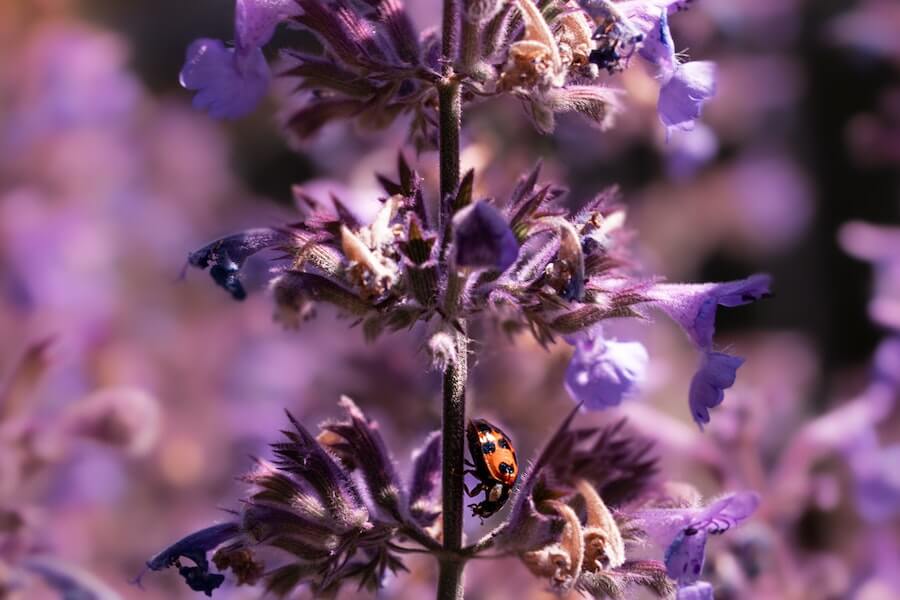
Catmint is undeniably one of the top contenders for attracting a wide array of bee species. Its glorious appearance is epitomised by its soft-blue flowers that bees find irresistible. Catmint is an easy adapter, and can thrive in most gardens, from the end of May to late summer.
However, do not mistake catmint for catnip; whilst catnip is a plant that deters cats, catmint is the opposite, so be wary if you have household cats if you want to attract bees and butterflies to your garden.
2. Alliums

Alliums are a part of the ornamental onion family, and holds a special place for pollinators. Bees are particularly drawn to these decorative blooms, with varieties like the Allium cristophii showcasing their beautiful allure. No garden border would be complete without alliums, and you can learn more about these by finding out when to plant alliums in your garden.
3. Chives

Chives also belong to the alliums, but also offer additional benefits: a perennial herb that returns year after year. These low-growing, bee-friendly plants are perfect for border edges and require minimal maintenance. They flourish in sunny spots but tolerate some shade and thrive in various soil conditions.
Additionally, cutting back faded chive flowers can yield a second flush of blooms. In particular, Siberian Chives stand out for their ability to attract various species of pollinators and butterflies.
4. Lavender
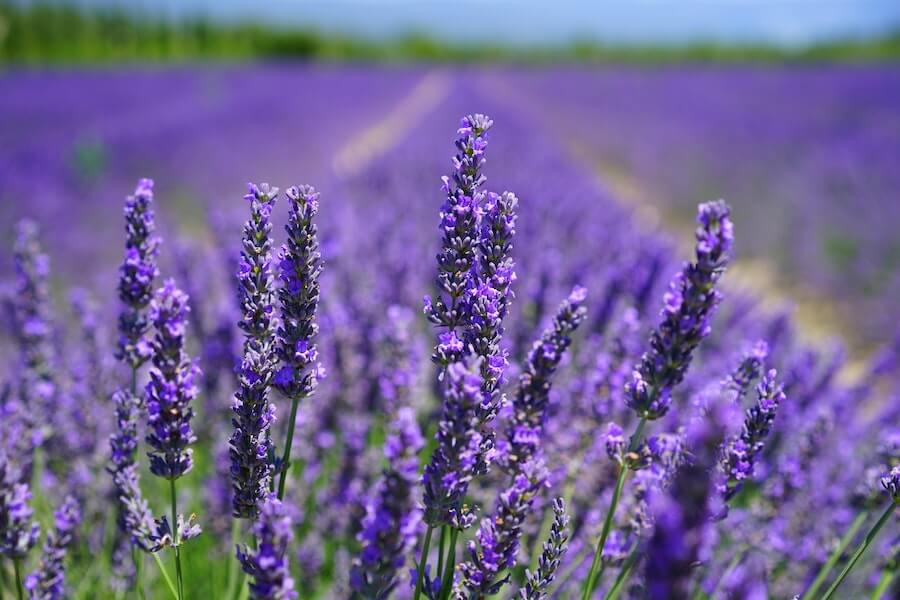
When discussing the best plants for bees, Lavender undoubtedly takes the spotlight. Its aromatic flowers and leaves prove irresistible to bees. However, Lavender is quite particular about its growing conditions. It thrives in sunny spots with dry, well-drained soil. Remarkably, even when the flowers appear a bit worn, bees continue to flock to them.
UK gardens can sometimes struggle with colder conditions, especially when combined with heavy clay soil types which can lead to waterlogging, which may lead to you struggling to grow lavender. Instead, try growing them in pots and containers, and be sure to learn about deadheading lavender so that they reappear in your garden year after year.
5. Comfrey

Comfrey is another hardy perennial which is perfect for adding alongside borders or neglected areas of your garden as part of your bee-friendly plants. Comfrey blossoms in late May and June right through to October, and will supply nectar and pollen for bees and butterflies.
6. English Ivy

Native English Ivy may not catch your eye at first glance, but it can transform your garden into a valuable wildlife-supporting powerhouse when mature. Producing flowers and berries, it becomes a lifeline for a wide range of wildlife, especially when autumn approaches. Bees, hoverflies, butterflies, and wasps feast on its nectar and pollen, while birds love its berries.
Additionally, English Ivy offers shelter to insects and small mammals. This unassuming plant indeed delivers exceptional value in nurturing wildlife, making it an excellent choice to grow along walls in your wildlife-friendly garden.
Whilst English Ivy is great for birds, you don’t want them to deter bees and butterflies that appear in your garden, so consider implementing bird deterrent strategies as well as when to stop birds eating grass seeds.
7. Geranium
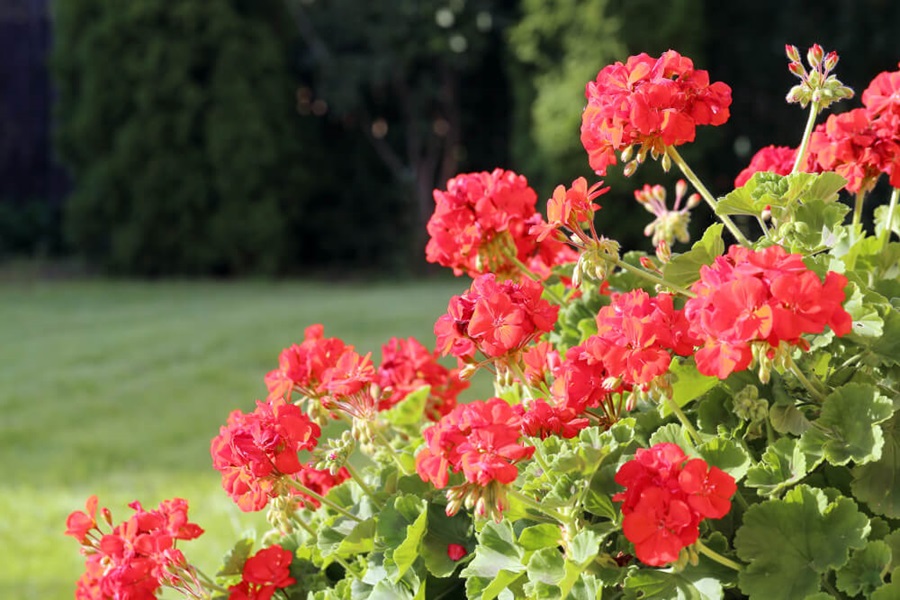
Hardy geraniums are easy to grow and are another great bee-friendly plant that also attracts butterflies. Geraniums blossom during May and June and, if pruned back after flowering, can still bloom late into summer too. Consider adding these to the front or middle of your garden borders.
8. Foxglove
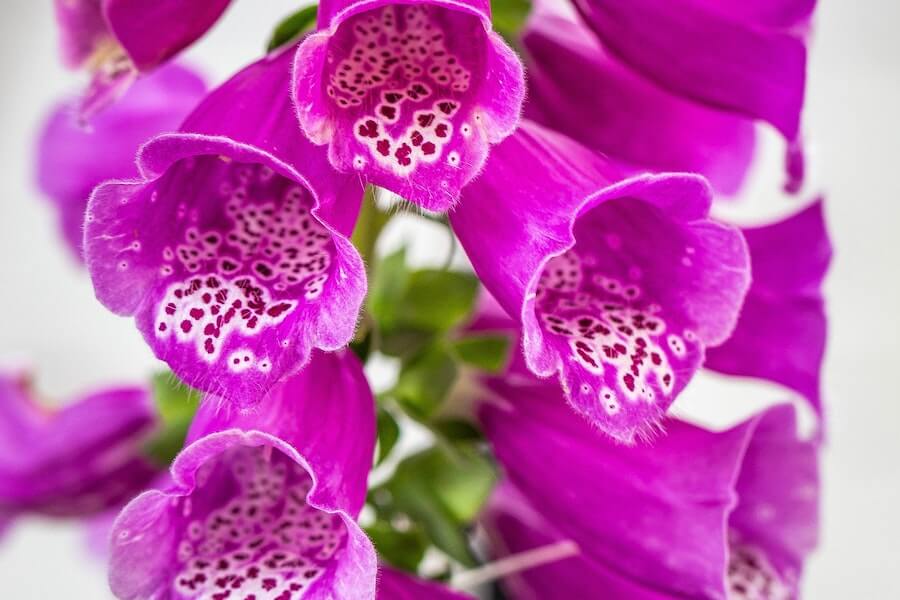
Whilst Foxgloves are often found in woodlands, they can still be added to gardens as well as part of your nectar cafe. Bees especially love this plant, and are bound to produce the best flowers during its second year. Foxgloves can also adapt to moderate shade and sunny spots with various soil types.
9. Monarda

Monarda, (Bee Balm), is a poignant force for attracting bees and butterflies to your garden. Monarda can thrive in partial shade but truly excels when planted in full sun with well-drained soil. As a hardy herbaceous perennial, it returns each year under suitable growing conditions, forming substantial clumps that may not be ideal for container gardening.
We have a complete guide on when to plant bulbs in your garden, so be sure to consider these factors across each of these bee friendly plants.
10. Exotic Peony

For another bee-friendly plant that blooms in May and June, consider the Exotic Peony. These captivating plants reach a height and width of approximately 80cm, making them an ideal choice for the centre of a sunny border.
11. Sedum

Otherwise known as stonecrops, Sedums hold a unique allure for butterflies. When these hardy plants burst into bloom, they create a delightful spectacle which attracts several species of butterflies simultaneously. On warm, sunny days, Sedums can become a hub of activity, hosting not only butterflies but also an array of bees and other pollinators.
12. Verbena bonariensis
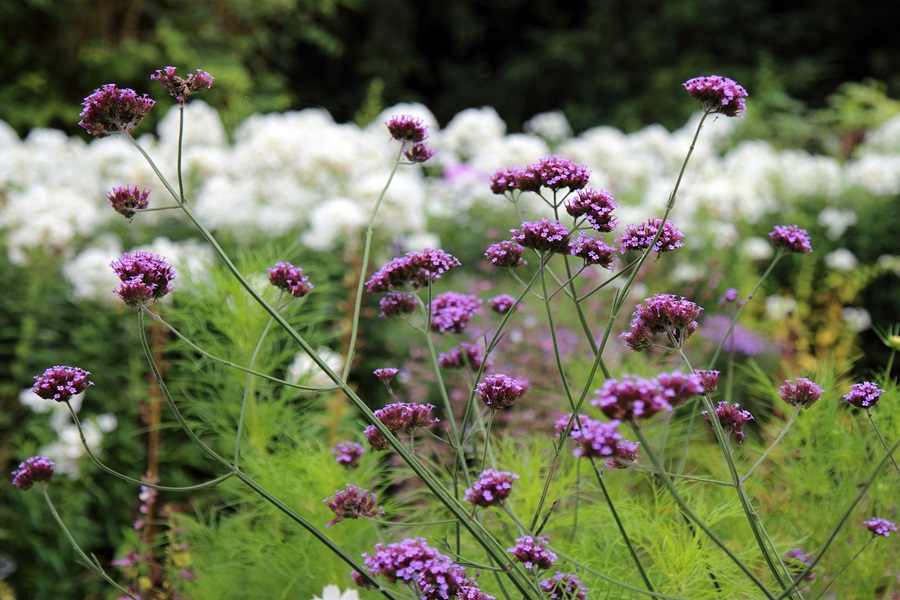
Bees and butterflies also love the presence of a Verbena bonariensis, which contains nectar-rich blooms throughout the summer. Verbena bonariensis can remain in full bloom from July to October, and can stand tall alongside other bee-friendly plants on this list.
13. Dianthus
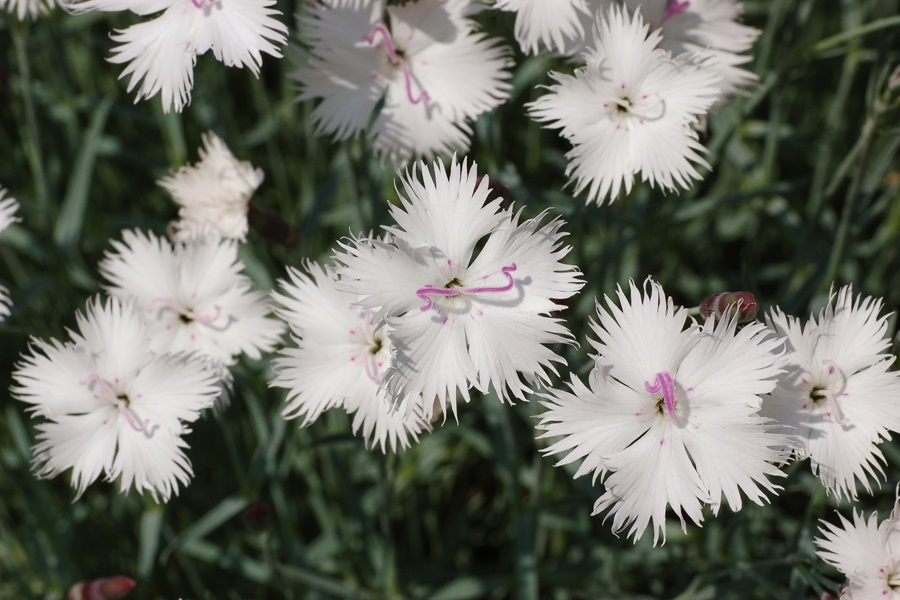
Otherwise known as the ‘Cocktail Shirley Temple,’ a Dianthus can grace your garden with plenty of sweet pink shades throughout the summer. Signified by its delicate frilled edges in taffy-pink, complemented by a striking magenta centre, the Dianthus is sure to provoke numerous pollinators to your garden. These flowers blossom from June to October.
14. Salvia
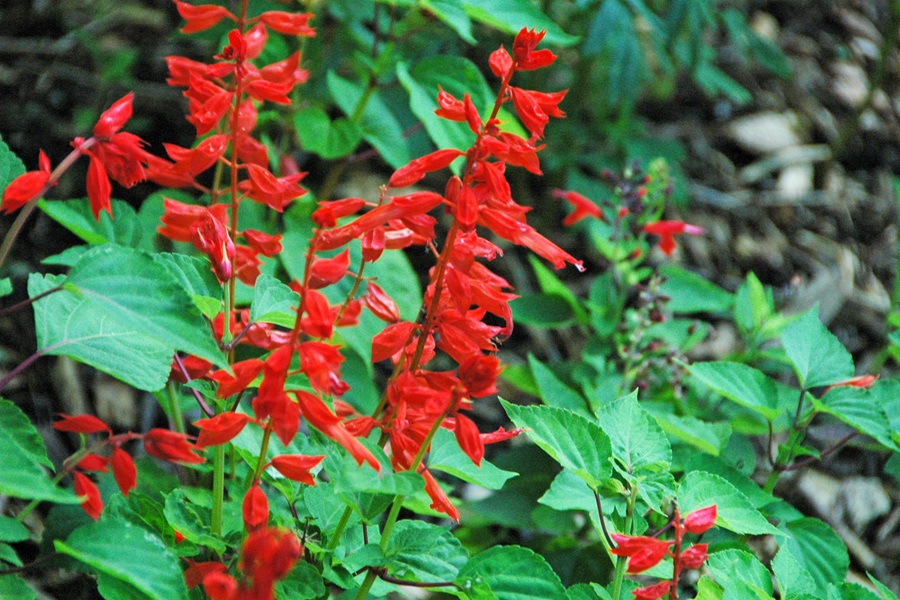
This award-winning variety of flower promotes numerous violet-purple petals. This hardy plant offers a profusion of blooms that span the entire summer season, even into autumn. Salvia is relatively hassle-free and easy to care for, making it an excellent addition to even low-maintenance gardens.
15. Leucanthemum ‘Madonna’
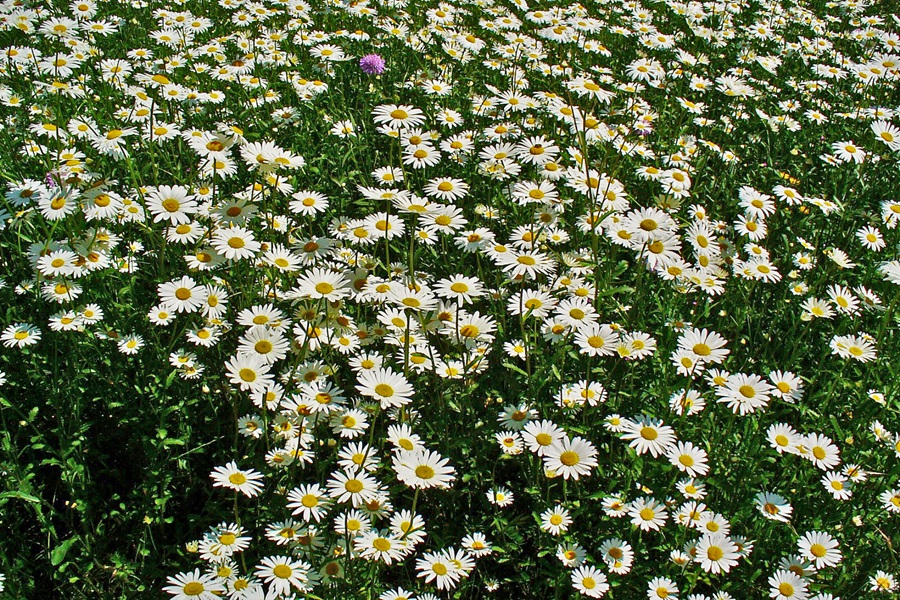
Leucanthemum ‘Madonna,’ is a great choice to include alongside your bee-friendly plants to attract bees too since it becomes truly prosperous during the summer. This robust plant thrives when placed in full sun, and will grow well in borders and containers. From June to August, Leucanthemums will grace your garden with enduring beauty.
16. Agapanthus ‘Silver Baby’
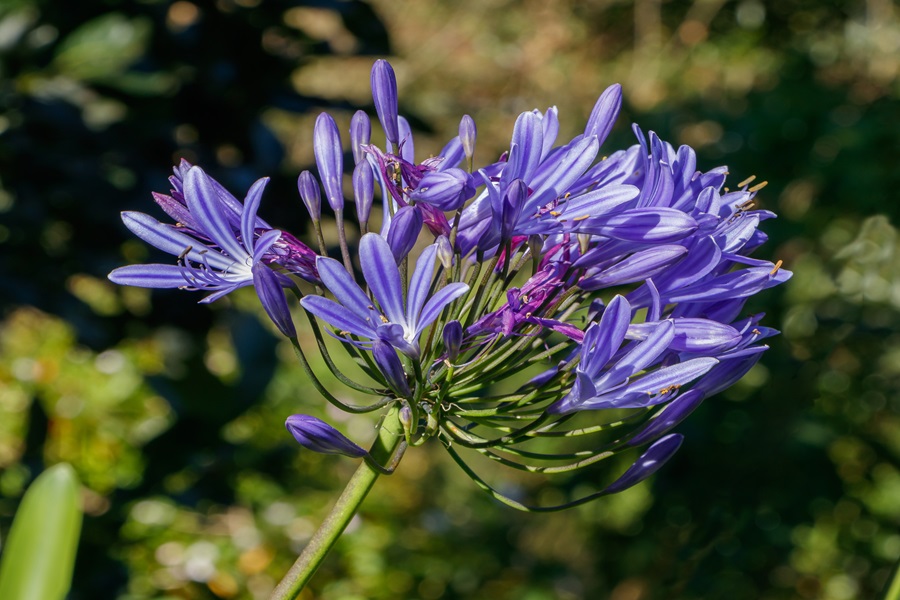
Lastly, we cannot forget about Agapanthus ‘Silver Baby,’ a unique bee-friendly plant that provokes shimmering white blooms with a hint of blue. This plant likes to be added to sunny spots, making it an ideal choice for adding height and drama to both containers and borders.
With a blooming period that extends from June to September, it ensures an enduring source of beauty in your garden. Its excellence is underscored by being awarded the prestigious RHS Award of Garden Merit.
Cultivate A Bee-Friendly Plant Filled Paradise
In conclusion, creating a pollinator-friendly garden is a rewarding experience that not only adds beauty to your surroundings but also supports essential insects like bees and butterflies. By choosing the right plants and implementing simple strategies, you can play a vital role in preserving these pollinators and nurturing a thriving ecosystem in your own backyard. You can even use a bee-monitor device which will detect when bees and other pollinators are visiting your garden, to know that your hard work has not gone unnoticed. Adding these bee-friendly plants near to your memorial bench could lighten it up and make it an even more peaceful place to sit and reflect.
Expand your gardening knowledge further with our articles about garden lifestyles.
FAQs
Plant nectar-rich flowers, provide water sources, and avoid pesticides to attract and support these pollinators.
Buddleia (Butterfly Bush) is a popular shrub that attracts bees with its fragrant blooms.
Consider planting lavender, salvia, or marigolds in pots, as they are low maintenance and attract bees with their flowers.
Sources
GOV.UK (2023) Status of pollinating insects. National Statistics. [online] Available at: https://www.gov.uk/government/statistics/england-biodiversity-indicators/10-status-of-pollinating-insects [15/11/23]
Tesco (2023) Blooming marvellous: New insect monitor listens out for bees on UK’s blossoming apple orchards. Tesco. [online] Available at: https://www.tescoplc.com/blooming-marvellous-new-insect-monitor-listens-out-for-bees-on-uk-s-blossoming-apple-orchards/ [15/11/23]
