

Where to Place a Garden Bench to Make the Most of Your Space

Share

A well-placed garden bench is more than just a seat, it’s an invitation to slow down. It’s where your morning coffee tastes better, where you can lose yourself in a good book, and where conversations with friends linger long into the evening. In many ways, a bench becomes a chapter in your garden’s story – a moment of stillness amongst the ever-changing life of the plants and wildlife around you.
Whether your vision is of a sociable spot for entertaining, a romantic hideaway for two, or a peaceful vantage point to watch the seasons change, choosing where to place a garden bench is key. The right location can transform your bench from a decorative afterthought into one of the most-loved features in your outdoor space.
Here’s a guide that blends practical planning with creative flair, so your garden bench becomes a place you’ll return to time and again.
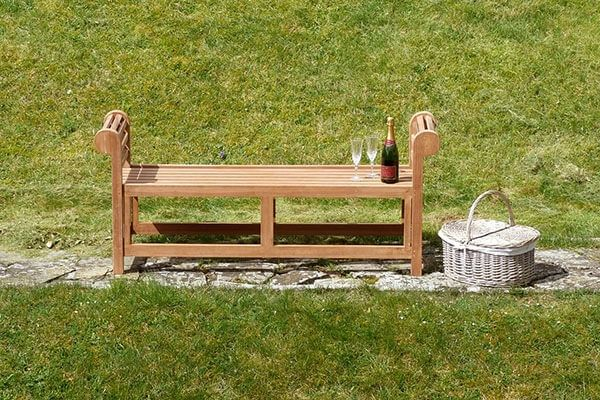
Accessibility and Functionality
First things first, a bench is only as good as its accessibility. If it’s hidden in a far-off corner you rarely visit, it risks being more ornamental than useful. The most inviting spots are those that are easy to reach and naturally part of your garden’s flow.
Ideas for accessible bench placement:
- Along a garden pathway – Position it so it’s a natural pause point as you walk through the garden. It might be halfway between the house and a shed, or along a meandering gravel path where you can stop to rest.
- Next to a patio or deck – Ideal for extra seating during social gatherings, or for those who prefer to sit and chat while others cook on the barbecue.
- Within a central garden – Acting as a focal point, drawing the eye and encouraging you to step outside.
The purpose of your bench will also influence its placement:
- For relaxation – Place it in a cosy nook with a pleasant outlook where you naturally gravitate to read, sip tea, or simply unwind.
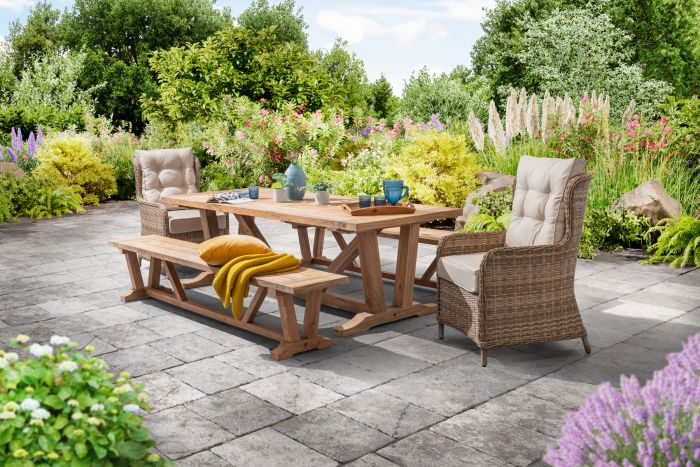
- For dining – Combine a bench with an outdoor teak dining set in an outdoor eating area to create flexible seating for guests.
- For visual impact – Use your bench as a feature at the end of a path making it a destination within the garden.
For practical, stylish designs, our wooden garden benches offer a perfect blend of comfort, craftsmanship, and year-round usability.
Aesthetics and Personal Preference
Your garden is a reflection of your style and your bench placement should complement it. The positioning of a bench can shape the mood of the space and say a lot about your personality.
If you favour structure and symmetry, consider placing your bench at the centre of a sweeping patch of grass, on an axis with your home, or aligned with formal hedging. This creates a sense of balance and formality, perfect for a traditional English garden.
If you lean towards romance and informality, hide your bench amongst tall perennials and fragrant flowers so it feels like a magical discovery. Picture pushing aside foxgloves or lavender to reveal a seat waiting for you.
The bench itself plays a role here too, a teak garden bench is a timeless choice that works beautifully in both contemporary and classic gardens, its warm golden tones mellowing gracefully with age.
Consider the View
One of the greatest pleasures of a garden bench is simply sitting and taking in the view. The direction your bench faces can shape the experience entirely.
- Facing flower beds – Ideal in spring and summer when blooms are at their peak, letting you enjoy them up close.
- Overlooking a pond or water feature – Adds a sense of calm and reflection.
- Facing open countryside or a borrowed view – Connects your garden to the wider landscape beyond.
- Towards the sunset – Creates the perfect evening seating spot for a glass of wine.
If you have more than one special outlook, you might not want to choose just one. Consider bench pairs placed in different locations, so you can enjoy different perspectives at different times of day or year.
Integration with Garden Features
A bench can work beautifully when integrated into your garden’s design. Rather than sitting alone, it can feel as though it belongs to its surroundings.
Some integration ideas include:
- Nestled into a flower border – Surrounded by colour and scent, giving you a seat that changes with the seasons.
- Under a pergola or archway – Allow climbing plants like wisteria, honeysuckle, or clematis to provide shade and fragrance.
- Beside a water feature – The gentle sound of trickling water can make the space even more relaxing.
- Next to an outdoor dining space – Adds extra seating and a more informal feel during gatherings.
For something both functional and meaningful, our memorial benches are often placed in locations that hold sentimental value, creating a lasting tribute in a favourite garden spot.
Privacy and Seclusion
While some benches are meant to be focal points, others are best hidden away for moments of solitude. A private bench spot offers a sense of retreat, somewhere you can read, meditate, or simply enjoy your garden without interruption.
Good locations for privacy include:
- Beneath a mature tree for shade and shelter.
- Behind tall hedges or trellis panels to create a hidden alcove.
- In the far corner of the garden, away from the main activity areas.
A curved garden bench can add to this sense of intimacy, naturally wrapping around the sitter and creating a more enclosed feel.
Sunlight and Weather Exposure
The British weather is unpredictable at best, so it’s worth thinking carefully about the bench’s exposure to sun, wind, and rain.
- Morning sun – Perfect for those who enjoy starting the day outdoors, wrapped in gentle light.
- Afternoon shade – Provides a cooler place to sit during summer heat.
- Sheltered spots – Use walls, fences, or planting to block prevailing winds.
- Dry ground – Avoid placing your bench in areas that stay damp or muddy after rain.
If your chosen spot will be exposed to the elements, invest in a bench built to last. Our weather-resistant teak benches can withstand rain, frost, and sunshine, ageing gracefully without losing their strength.
Practical Extras to Consider
When deciding where to place a garden bench, it’s also worth thinking about a few extras that can enhance your seating experience:
- Pathway lighting – Makes the bench accessible even on summer evenings.
- Nearby planting – Choose flowers or shrubs that provide scent, colour, or texture.
- Side table or built-in armrests – For placing drinks or a book.
- Level surface – Ensure the ground is stable so the bench doesn’t rock or tilt.
Final Thoughts
Knowing where to place a garden bench isn’t just about finding an empty space, it’s about creating an experience. The right spot will draw you outside day after day, whether you’re sharing the moment with others or enjoying time alone.
Think about accessibility so you’ll actually use it, style so it reflects your personality, views that inspire you, features that integrate it seamlessly, privacy for peaceful moments, and weather considerations so you can enjoy it year-round.
From classic wooden benches that work anywhere, to curved designs perfect for cosy corners, the right bench in the right place will become more than furniture; it will become part of your garden’s soul.
