


Share

Garden lovers, beware! The silent chewers of the night, slugs, might be small, but their impact on your garden can be devastating.
No gardener enjoys the sight of their plants being reduced to lacework overnight by slugs. Fortunately, there are a range of slug-resistant plants that can thrive without the constant threat of these pests. In this article, we will discuss the best plants that slugs hate, from herbs to vegetables that repel slugs, providing you with options to keep your garden lush and intact.
Key Points:
- Discover plants with natural slug-repellent properties like lavender and rosemary.
- Learn about plants with physical defenses such as tough or hairy foliage.
- Understand how colour and scent play a role in deterring slugs.
- Explore slug-proof options for both ornamental and vegetable gardens.
What Makes a Plant Slug Resistant?
For many gardeners, slugs pose a persistent threat to their green spaces. Fortunately, certain slug repellent plants offer a natural defense mechanism that makes them less appealing to these pests.
Natural Defenses in Plants
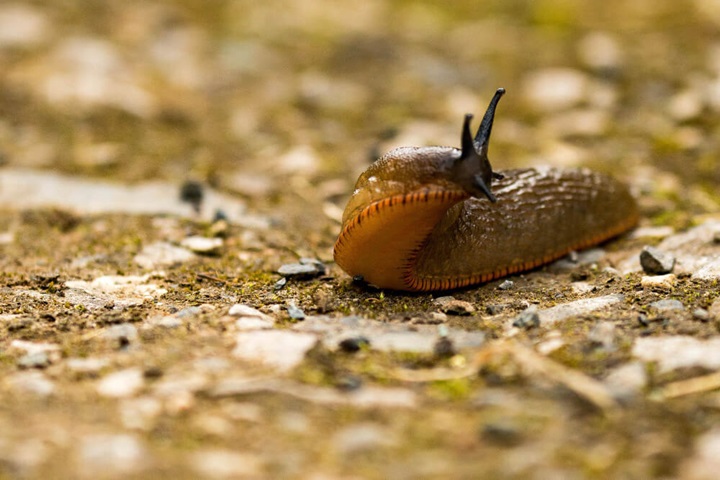
Toxicity to Deter Slugs
Some plants have developed toxic properties as a defense mechanism against slugs and snails.
For example, foxgloves and euphorbia produce compounds that are lethal to slugs, making these plants some of the best for areas plagued by slugs.
Incorporating such slug-resistant plants ensures that any slug daring to take a bite won’t likely return for another.
Physical Barriers
Physical traits such as hairy or textured foliage can also deter slugs.
Plants like pulmonaria and lychnis feature rough, hairy leaves that are difficult for slugs to navigate. Additionally, roses usually come equipped with thorns which are excellent examples of how some plants use physical barriers to keep slugs at bay.
Tough Textures
Other slug repellent plants, like eryngium and sempervivum, have tough, leathery leaves that are difficult for slugs to chew through. The nature of these plants makes them ideal for areas where slugs are a common problem.
Unpleasant Textures and Flavours
The texture and flavour of certain plants do not sit well with slugs.
For instance, the light and airy fronds of ferns and the smooth, spiky surfaces of sedums are challenging for slugs to grip and are generally unattractive as food sources.
Strong Scents
Strong-smelling plants often repel slugs effectively. The intense aromas of lavender, onions, and chives are unappealing to slugs, which prefer milder tasting and less aromatic plantings. This category includes several herbs and alliums that not only add beauty and scent to gardens but also serve as natural pest deterrents.
Colourful Deterrents
Interestingly, the colour of a plant can also influence slug behaviour. While slugs are drawn to soft, sweet fruits like strawberries, they tend to avoid plants with red or purple foliage such as photinia and sedum. These colours seem to signal danger or unpalatability to slugs, helping to protect the plants from damage.
What Plants Do Slugs Not Like?
Now that we have discussed the features on specific slug repellent plants that makes them unappealing for these mollusks, let’s now look at the best plants that slugs hate you can choose today and add into your garden:
1. Euphorbia
This diverse plant family includes varieties that are particularly distasteful to slugs due to their milky sap, which can irritate the pests. Euphorbia’s small, colourful bracts make it an attractive addition to any garden while providing essential protection.
2. Cranesbill Geraniums
Also known as cranesbills, these hardy geraniums offer long-lasting blooms and a strong nature that slugs find undesirable. Their extensive range makes them suitable for nearly any garden setting, from borders to rocky paths.
3. Ajuga Reptans
With its dense, evergreen foliage and striking blue flowers, ajuga acts as an excellent ground cover and is not favoured by slugs or snails. This plant is versatile enough for both shaded underplantings and sunny borders, making it a multifunctional choice for any gardener.
4. Japanese Anemones and Hellebores
Japanese anemones, with their rough leaves and beautiful flowers, are less likely to be invaded by slugs and are perfect for container gardening.
Hellebores offer a winter-blooming option with leathery leaves that slugs avoid, providing both beauty and functionality during the colder months.
5. Aquilegia
Known for its graceful, star-shaped flowers, Aquilegia vulgaris var. stellata ‘Yellow Star’ is a standout choice.
These plants are not only beautiful but also slug-proof, thriving in shaded areas and self-seeding to fill out garden borders effortlessly.
6. Penstemon
With its striking foxglove-like blooms, Penstemon ‘Pensham Laura’ is another excellent addition to any garden.
This plant is particularly attractive to bumblebees and thrives in informal and cottage garden settings, providing both aesthetic and ecological benefits. Check out other bee friendly plants.
7. Foxglove
Foxgloves are well-known for their stunning, bell-shaped flowers and their toxic leaves, which contain digoxin.
This natural toxin deters slugs and snails, making foxgloves a beautiful yet protective element in any garden.
8. Lavender
Lavender is a favourite among gardeners not just for its delightful fragrance and purple blooms, but also for its ability to resist slugs.
The plant’s woody stems and oily leaves are unappealing to these pests, making it perfect for bordering garden spaces or planting in containers.
9. Ferns
Ferns offer a wide variety of shapes and sizes, and their ability to grow in diverse conditions—from shady spots to cracks in walls—makes them versatile.
Their texture and strong nature make them less attractive to slugs, ensuring they remain a lush part of your garden.
10. Nasturtiums
The vibrant, trumpet-shaped flowers of nasturtiums not only catch the eye but also resist slug attacks.
These plants are particularly tough against slugs due to their water-resistant leaves, making them an ideal choice for adding colour and life to your garden.
11. Hydrangeas
Hydrangeas are another excellent slug resistant plant to add to your garden.
With their wood-like stems and range of flower forms from mophead to lacecap, hydrangeas provide a protective barrier against slugs and snails, especially the climbing varieties like Hydrangea anomala subsp. Petiolaris.
Slug-Proof Vegetables
Incorporating certain vegetables can also improve your garden’s defenses against slugs.
These vegetables include:
- Beetroot
- Artichoke
- Chard
- Tomatoes
- Fennel
Each of these fruits and vegetables are not only nutritious additions to your meals but also possess qualities that slugs find unappealing. Planting these can provide plenty of benefits for crop production and pest control.
However, sometimes time isn’t always on a gardener’s side, and sowing or planting these crops from scratch can take a while to grow. Luckily, there are still natural methods on how to get rid of slugs, such as by integrating nermatodes.
In conclusion, these slug resistant plants not only aid the beauty and scent of your garden but also create a natural deterrent for slugs. These plants can serve as a perimeter defence, making your garden less appealing to these pests, as well as other animals too, making them a worthy addition for plants that deter cats too.
Keep your teak garden furniture and memorial benches safe from slugs with our garden bench covers.
Discover our range of wooden garden lounge furniture, perfect for enjoying your pristine, pest-free outdoor space. Explore our collection today and find the perfect addition to your garden.
FAQs
While salt is effective in killing slugs, it’s not recommended for garden use as it can damage soil and plants. Consider using other natural methods.
Mulching with sharp materials like gravel, pine needles, or crushed shells creates a rough surface that slugs find difficult to cross.
Sources
Nematodes Direct. (2024) Nemaslug – 40 sq.m. [online] Available at: https://www.nematodesdirect.co.uk/nemaslug/8-nemaslug [accessed 05/09/2024]
