


Share

Unlock the natural power of neem oil for plants that can aid your garden! Embrace this eco-friendly solution to protect and nourish your plants.
Neem oil for plants has been used in the article for generations, from being used as a natural pesticide to bringing nutritional benefits for certain plants. In this article, we explore the numerous benefits and applications of neem oil for plants. Learn how to apply neem oil, tailor its use for different plant types, and understand its dual role as a fungicide.
Key points:
- Discover how to use neem oil on various plants.
- Learn the best practices for applying neem oil to ensure effectiveness.
- Understand the safety measures necessary for using neem oil around homes and gardens.
- Explore the specific benefits of neem oil for both pest and disease control.
- Gain insights into the optimal timing and methods for neem oil application to maximise your garden’s health.
Project Details
- Duration: Approximately 15 to 30 minutes
- Difficulty: Suitable for beginners
- Cost Estimate: £5 to £25
Tools
- Garden sprayer
- Spray bottle
- Protective gloves
Materials
- Neem oil (1 to 2 tablespoons, cold-pressed, pure or raw)
- Water (1 gallon)
- Mild dish soap (1 to 2 teaspoons)
What Is Neem Oil for Plants?
Neem oil, derived from the seeds of the neem tree, serves as a natural remedy in gardening, widely appreciated for its effectiveness in pest control. This versatile oil not only targets harmful insects but also combats fungal diseases, making it a staple in both ornamental and edible gardening.
Here’s why neem oil is a favoured choice for gardeners:
- Pest Control: Neem oil is adept at managing a range of pests including aphids, whiteflies, and mites, by interfering with their life cycle and preventing them from causing damage to plants.
- Disease Prevention: It helps prevent the spread of fungal diseases such as blackspot and powdery mildew.
- Safe Usage: Neem oil is safe to use around pets and livestock, though it should not be ingested by any living creature and should be used with caution around bodies of water due to its toxicity to aquatic life.
Note: While neem oil is not harmful to most beneficial insects, it is advisable to apply it during early mornings or late evenings to avoid affecting bees and butterflies.
How To Use Neem Oil on Plants
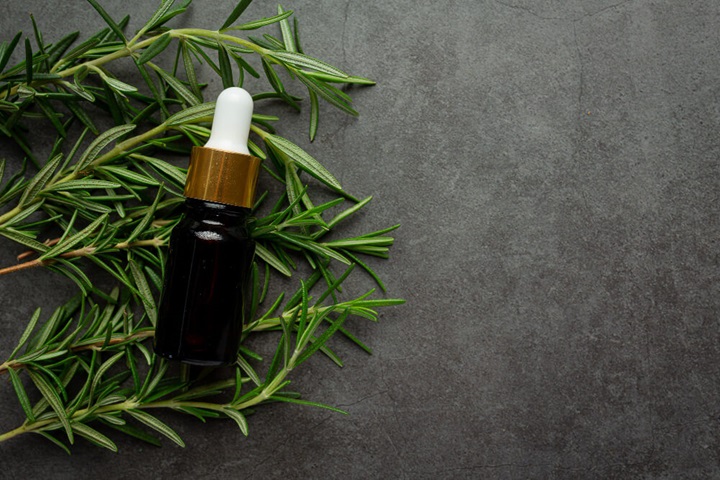
Neem oil can be utilised throughout the year on a variety of plants—from houseplants and ornamentals to vegetables and herbs. Depending on its formulation, neem oil is available in both ready-to-use sprays and concentrates. Here’s how to apply neem oil on plants in your gardening routine:
- Ready-to-Use Sprays: These are convenient for immediate application without the need for mixing and are ideal for quick touch-ups in the garden.
- Concentrates: More cost-effective in the long run, these require dilution and are best for larger applications or regular maintenance.
It’s essential to identify the specific pests or diseases affecting your plants, as neem oil works by direct contact. Apply it directly to the affected areas, ensuring thorough coverage, especially on the undersides of leaves where pests often reside.
Steps for Applying Neem Oil on Plants
Applying neem oil is straightforward but requires attention to detail to ensure effectiveness. Here’s a simple guide on how to apply neem oil to your plants:
- Mixing the Solution: If using a concentrate, mix according to the label’s instructions—typically combining water and a mild detergent to help the oil blend smoothly.
- Application: Using a garden sprayer, coat the plants thoroughly. Start from the top and work your way down, making sure to cover all surfaces, including the undersides of leaves.
- Reapplication: Neem oil should be reapplied every few days or after rainfall until the pest problem is under control. Regular checks will help determine if additional applications are necessary.
- Caution: Be mindful of the environment and beneficial insects. Neem oil should be applied in calm weather, either early in the morning or late in the evening, to minimise the impact on non-target species.
Using Neem Oil on Plants Throughout the Seasons
Neem oil’s versatility extends to its year-round usability, offering protection against pests and diseases whatever the weather:
- Winter: Ideal for indoor plants to manage overwintering pests.
- Summer: Safe for use on fruits and vegetables right up to the day of harvest. Always wash any treated produce before consumption to remove any oil residues.
Neem Oil Uses for Specific Plants
There are certain plants that will work better with neem oil than others; here is what you need to know:
Houseplants
Using neem oil on houseplants is an effective way to combat pests such as whiteflies, spider mites, mealybugs, fungus gnats, aphids, thrips, and scale.
For active infestations, spray the foliage or drench the soil every seven days until the pests are eradicated. As a preventative measure, apply a soil drench every three weeks to keep pests at bay. When treating foliage, ensure thorough coverage of both the tops and undersides of leaves.
Test a small area first to check for any adverse reactions and avoid contact with furniture or fabrics to prevent stains.
Keep your houseplants pest and disease free by spotting these common houseplant pests.
Fruit Trees
Neem oil is beneficial for fruit trees including apples, cherries, nectarines, pears, peaches, and plums, helping control pests like aphids, spider mites, and caterpillars, as well as diseases such as powdery mildew, scab, rust, and black spot.
The optimal time for application is during the dormant season to target overwintering eggs and larvae. Throughout the cultivation period, employ neem oil as a deterrent or for managing invasions, blending it with water and a minor quantity of liquid detergent for efficient usage with a pump spray.
Frequent applications should be avoided as they can harm the trees.
Vegetables
Neem oil is highly effective against common vegetable pests such as aphids, beetles, cabbage worms, corn earworms, tomato hornworms, and whiteflies.
It can also tackle fungal diseases like leaf spot, mildew, rust, stem rot, and wilt. Apply neem oil to vegetables at any sign of infestation or disease, ensuring that it is safe for use up to the day of harvest.
Lawns
Neem oil can be used on lawns to combat pests like grubs and Japanese beetles, and to address fungal infections such as red thread, rust, and grey leaf spot.
Signs of lawn distress, such as discoloured or dead grass patches, indicate the need for treatment with neem oil, applied either as a foliar spray or soil drench.
Garden Plants
Neem oil aids in protecting ornamental garden plants from pests and diseases. It is essential to assess the specific issues your plants are facing and apply neem oil accordingly for the best results.
Neem Oil Benefits
Neem oil stands out as a natural, non-toxic solution for pest management and disease prevention in plants. Its low toxicity to mammals and minimal environmental impact make it a safe choice for gardeners. Neem oil is an effective repellent against mites and over 200 other species of pests, including:
- Aphids
- Thrips
- Whiteflies
- Mealybugs
- Spider mites
- Caterpillars
- Nematodes
- Scale
In addition to pest control, neem oil has applications in managing fungal infections, although it is generally less effective for this purpose. It is most commonly used to prevent powdery mildew and can also help slow the progression of other fungal issues like root rot, black spot, and sooty mould.
Neem Oil as a Fungicide
While neem oil is limited in its effectiveness as a fungicide, it can be useful in preventing fungal spore germination and penetration into plant tissue.
It is particularly effective against powdery mildew and can also help manage other fungal diseases by inhibiting their spread to healthy plant tissues.
Use Neem Oil For A Disease-Free Garden
In conclusion, neem oil is an invaluable natural resource for gardeners, offering a safe and effective way to manage pests and diseases across a variety of plants. From houseplants to vegetable gardens and ornamental landscapes, neem oil provides a sustainable solution, ensuring healthier plants and more healthy gardens. Its ease of use, safety profile, and effectiveness make it a staple in sustainable gardening practices, promoting a thriving garden environment without the use of harsh chemicals.
Further reading:
- Transform your garden with our bespoke boho garden ideas.
- Keep your plants warm with recyclable tips regarding what is mulching.
FAQs
Neem oil is safe for most plants, but certain plants like those in the Solanaceae family (e.g., tomatoes, peppers) can be sensitive to oil-based products. Always check the sensitivity of the plant before applying widely.
Neem oil is less harmful to many beneficial insects, including bees, when used correctly. It mainly targets chewing and sucking insects. However, avoid spraying neem oil directly on flowering plants during active pollination times to protect pollinators.
Neem oil should be stored in a cool, dark place. Exposure to heat and sunlight can degrade the oil, reducing its effectiveness. Make sure the cap is tightly closed and the bottle is stored upright to prevent leaks.
Sources
Pelczar, R., (2023) How to Spot 6 Common Houseplant Pests and Safely Kill Them. Better Homes & Gardens. [online] Available at: https://www.bhg.com/gardening/houseplants/care/common-houseplant-pests/ [accessed 08/10/2024]

Anna is the marketing and office manager for Garden Benches – a premium supplier of high-quality wooden benches and other outdoor furniture.
