

Hardwood vs Softwood: Which is the Better Wood for You?

Share

Choosing the right wood for your outdoor furniture can dramatically affect both its look and longevity. But between hardwood and softwood, which should you pick?
In the world of garden furniture, there are mainly two profound types of wood that are traditionally used to craft the furniture, both for indoor and outdoor use: softwood and hardwood? But which is better? And what type of wood furniture should you use, either indoors or outdoors? In this article, we will look at the distinct differences between hardwood and softwood, from their cellular structure to their durability and uses. Whether you’re building a garden bench or decking out a patio, understanding these differences will guide you to make the best choice for your projects.
Key Points:
- Explore the key differences between hardwood and softwood.
- Learn about the distinctive properties of each wood type and their optimal applications.
- Understand which type of wood provides greater durability and strength.
- Discover the cost implications of selecting hardwood versus softwood.
- Gain insights into identifying hardwoods and softwoods based on their physical characteristics.
What is Hardwood?

Hardwoods are derived from angiosperm trees, typically found in temperate and tropical forests globally. These trees are predominantly deciduous, meaning they shed their broad leaves annually. An angiosperm’s leaves feature a network of fine veins and are known for their vibrant autumnal color changes.
Hardwood trees such as oak, walnut, and maple reproduce through flowering plants and have seeds encased in an ovule, like fruits or nuts. This trait leads to less widespread seed dispersal, often causing hardwoods to grow in clusters.
Hardwoods grow slowly, taking up to 150 years to mature, making their wood denser, heavier, and more durable. This slow growth and complex cellular structure contribute to hardwood’s strength and hard-wearing qualities, making it ideal for furniture and construction that demands aesthetic appeal.
What is Softwood?
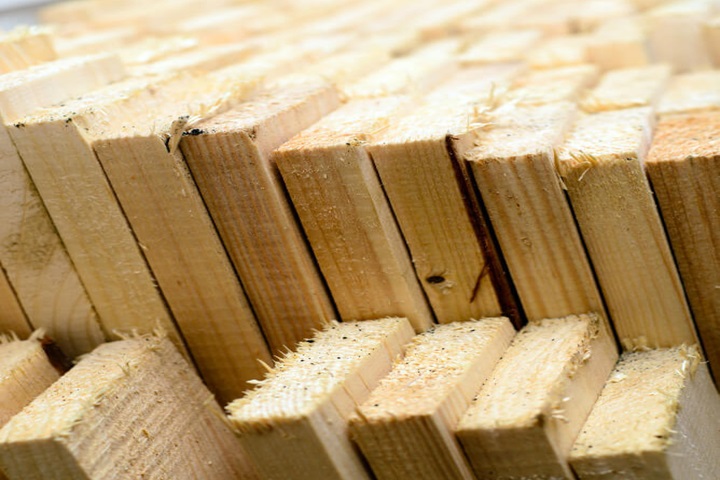
On the other side of the wood spectrum are softwoods, originating from gymnosperm trees like pines, cedars, and spruces. These trees are evergreen, maintaining their needle-like leaves throughout the year. Unlike hardwoods, softwoods grow rapidly, often ready for harvest within 40 years. This quick growth results in a lighter, less dense wood, which translates to softwoods being less durable than their hardwood counterparts.
The term “gymnosperm” means ‘naked seed,’ indicative of how these seeds are exposed without any protective ovule, allowing them to disperse widely and quickly, often aided by the wind. This biological difference makes softwoods the predominant wood type used globally, accounting for about 80% of all timber used, particularly in constructions and manufacturing due to its affordability and ease of use.
What Are Softwoods Used For?
Softwoods are extensively used in various industries due to their cost-effectiveness and workability. They are commonly found in building materials such as window frames and doors, as well as in furniture and fiberboards. Their fast growth and renewable nature make them an attractive choice for large-scale projects and everyday items.
You can also use this table below which highlights the main properties and characteristics between both types of wood:
| Hardwood | Softwood | |
| Origin | Deciduous trees | Evergreen trees |
| Examples | Mahogony, Oak, Teak | Fir, Pine, Spruce |
| Price | Highly expensive | Less expensive |
| Density | Harder (not always) | Softer (not always) |
| Colour | Darker-tone | Lighter-tone |
| Structure | Lower sap | Higher sap |
| Grain | Close | Loose |
| Resistance to fire | Good | Poor |
| Weight | Heavy | Light |
Hardwood Examples
There are multiple examples of types of hardwood, but here are the most common varieties:
- Oak: A versatile and popular choice, oak includes over 600 species spread globally, such as European Oak (Quercus robur), American White Oak (Quercus alba), and Red Oak (Quercus rubra). Known for its durable nature and classic golden-to-tan color, oak wood features a straight grain that makes it ideal for everything from architectural structures to fine furniture.
- Walnut: The walnut family includes 21 species, native across North America, Europe, and Asia. Notable members include American Black Walnut (Juglans nigra) and English Walnut (Juglans regia). Walnut is celebrated for its dense, tight grain and rich chocolate-brown hue, often with a purple tinge, making it a premium choice for luxury furnishings and detailed woodwork.
- Beech: Found across Europe, North America, and Asia, beech trees like European White Beech (Fagus sylvatica) offer a light cream color, sometimes with pinkish hues. Beech is favored for its smooth texture and uniform appearance, commonly used in the manufacture of furniture and flooring.
- Maple: Maple trees, including species like American Hard Maple (Acer saccharum), are prized for their light, clean appearance and strength. Maple is often selected for flooring and kitchen accessories due to its durability and subtle grain patterns.
- Exotic Hardwoods: In addition to common hardwoods, exotic varieties like African Iroko, Wenge, and Zebrano offer unique appearances and superior performance, used in high-end products where distinctiveness and performance are paramount.
Softwood Examples

Unsure of what common softwood varieties there are? Here are the most popular ones:
- Pines: Representing the quintessential softwood, pine varieties such as Scots Pine (Pinus sylvestris) and Eastern White Pine (Pinus strobus) are widely used due to their versatility and affordability. Pine is often employed in construction, furniture, and decorative elements, featuring a range of colors from pale yellow to deep reddish-brown.
- Cedars: Including both true cedars like Lebanon Cedar (Cedrus libani) and common namesakes such as Western Red Cedar (Thuja plicata), cedar woods are chosen for their aromatic scent and natural resistance to decay. They are frequently used in outdoor furniture, shingles, and closet linings.
- Spruces: Spruce trees, like the Norway Spruce (Picea abies), are essential in the construction and paper industries. Their wood is light yet strong, making it suitable for a broad array of applications, from musical instruments to construction framing.
- Firs: Similar to spruces, firs such as Douglas Fir (Pseudotsuga menziesii) are used extensively in construction due to their straight grains and robustness. Firs provide some of the best lumber for heavy-duty construction needs.
- Redwoods: Known for their monumental height and impressive long-lasting benefits, redwoods like the Coastal Redwood (Sequoia sempervirens) are iconic in both stature and durability. Redwood lumber is highly valued for outdoor construction due to its resistance to moisture and decay.
Is Teak Hardwood or Softwood?
Otherwise known as the ‘king of woods,’ teak is a natural hardwood, and its properties allow it to be extremely durable, long-lasting, and is regarded as the best water resistant wood. Since teak is a hardwood, we prioritise it in all of our garden benches. Unsure of what is teak wood? Find out now.
Hardwood Uses
Hardwoods are ideal for high-quality construction and fine furniture. Their dense structure not only offers longevity but also a touch of elegance that improves the decor of any space. Hardwood is commonly used in the creation of durable furniture, including teak garden furniture, luxurious flooring, and sturdy decks. Its strength and resilience make it a preferred choice for projects that require materials that can withstand the test of time and weather.
In the UK and globally, hardwoods like oak, maple, teak, and walnut are celebrated for their rich colours and intricate grain patterns. These characteristics make hardwood an irreplaceable material in both traditional and contemporary architecture and interior design, emphasizing a commitment to quality and excellence in construction.
Softwood Uses
On the other hand, softwoods are primarily used for their cost-effectiveness and ease of handling. Making up about 80% of the world’s timber use, softwoods are extensively employed in the construction industry. They are integral to building frameworks, including the production of windows, doors, and paneling, as well as in the manufacture of paper and fiberboard.
Softwoods like pine, cedar, and spruce are favoured for their rapid growth and renewable qualities, which contribute to their affordability and wide availability. This makes softwood an economical choice for many practical applications, particularly where intricate detailing is less of a concern.
Choosing Between Hardwood and Softwood
In conclusion, it is clear that a lot separates the differences between softwood vs hardwood, and ultimately, by considering the factors and properties that make up each of these wood types will help you to configure your decision on which wood is better for you. When selecting wood for a project, whether it is indoors or outdoors, it’s important to consider the specific characteristics and benefits of both hardwood and softwood. Hardwood is typically chosen for its beauty and durability, ideal for furniture and flooring that requires a long-lasting, elegant finish. Softwood, on the other hand, offers a more cost-effective solution for large-scale construction and everyday items where aesthetics are less critical but functionality is key.
Whilst these wood types are the most popular, a new wood type is taking the world by storm – midwood. Learn about it now.
Further reading:
Need ideas for your garden furniture throughout the year? Try these articles:
FAQs
Initially, softwood furniture is usually more cost-effective due to the lower cost of materials. However, considering longevity and maintenance, hardwood furniture might be more economical in the long run due to its durability and lower maintenance needs.
Hardwood generally lasts longer than softwood when used for outdoor furniture. This is because hardwoods are typically denser and more resilient against the elements, including moisture, temperature changes, and pests. Their dense cellular structure provides enhanced durability and resistance to wear, making them ideal for furniture that needs to withstand harsh outdoor conditions.
Determining whether wood is hard or soft can often be done through a few simple observations:
Grain Density: Hardwoods usually have a tighter and more complex grain pattern compared to softwoods, which tend to have a softer and less dense grain.
Weight and Hardness: Generally, hardwoods are heavier and harder to the touch. If you press your fingernail into the surface of the wood and it dents easily, it’s likely a softwood. Hardwoods typically resist this kind of indentation.
Type of Tree: Knowing the species of the tree can also provide clues. Hardwoods come from deciduous trees that lose their leaves annually, such as oak, maple, and teak. Softwoods come from coniferous trees that usually have needles and cones, like pine, cedar, and spruce.
Water Absorption: Softwoods tend to absorb water and moisture more easily than hardwoods, which naturally repel water better due to their dense structure.
Sources
Primrose. (n.d.) Understanding Trees: Angiosperms and Gymnosperms. [online] Available at: https://www.primrose.co.uk/blog/plants/flowers-gardening/angiosperms-and-gymnosperms/ [accessed 05/12/2024]
Geographical. (2024) Midwood – the new type of wood that can fight climate change. [online] Available at: https://geographical.co.uk/news/midwood-the-new-type-of-wood-that-can-be-used-in-the-fight-against-climate-change [accessed 05/12/2024]

Anna is the marketing and office manager for Garden Benches – a premium supplier of high-quality wooden benches and other outdoor furniture.
