


Share

Are slugs turning your garden into their personal buffet? Stop them in their tracks with safe, natural methods that protect your plants and the environment.
During the wetter months of the year, it’s common to see slugs and snails appearing in your garden. Unfortunately, they can also bring problems to your garden, such as eating plants, leading many to wonder how to get rid of slugs. In this article, you will discover the best and most effective ways on how to get rid of slugs naturally in your garden, ensuring they stay away from your garden furniture and plants. From encouraging natural predators to utilising simple homemade remedies, learn how to protect your garden without resorting to harsh chemicals.
Key points:
- Learn which wildlife can help keep slug populations in check.
- Discover how simple materials like eggshells and copper can prevent slug damage.
- Use items like coffee grounds and seaweed meal to safely repel slugs.
- Find tips on cultural practices that reduce slug problems from the start.
- 1. Identifying The Presence of Slugs
- 2. Encourage Natural Predators
- 3. Create Beer Traps
- 4. Utilise Eggshells for Plants
- 5. Implement Copper Barriers
- 6. Set Up Humane Traps
- 7. Vaseline
- 8. Kitchen Appliances
- 9. Nematodes
- 10. Iron Phosphate Pellets
- 11. Boiling Water
- 12. Slug-Resistant Plants
- 13. Planting Indoors
- 14. Adjust Your Watering
- 15. Diatomaceous Earth
- 16. Garlic
- 17. Handpicking
- 18. Create an Unfavourable Environment
- FAQs
- Sources
Be sure to use our garden accessories on your furniture to keep them protected from the presence of slugs as well as other weather-like problems.
1. Identifying The Presence of Slugs
As we get into how to get rid of slugs naturally, first make sure that you thoroughly check your garden for any signs of their presence. For instance, slugs traditionally appear during nighttime or cloudy, damp days.
Use a flashlight to inspect the lower foliage and soil under your plants, particularly in shaded areas. Slugs often hide under rocks and debris, so these spots shouldn’t be overlooked. Recognizable by their distinctive eyestalks and the silvery trails they leave behind, slugs and snails can be readily identified, allowing for timely intervention.
2. Encourage Natural Predators

One of the most effective ways on how to get rid of slugs naturally is to invite their natural enemies into your garden as a means of deterrent.
Birds, frogs, and even beetles enjoy feasting on these slimy pests. If you have ducks or chickens, allowing them to forage in your garden can significantly reduce slug populations, as they are natural slug predators.
To protect young plants, consider using horticultural fleece to cover the soil. This method not only keeps your poultry from disturbing your plantings but also exposes slugs to their avian adversaries, especially during dry weather when birds are more actively foraging.
Even if birds begin to cause a problem, use these natural bird deterrents which will also work a treat.
3. Use Eggshells for Plants

Egg shells, when crushed and scattered around the base of plants, can act as a physical barrier to slugs.
Their sharp edges deter slugs from crossing over for fear of injury.
Additionally, egg shells enrich your soil with calcium when they break down, which is beneficial for plant health. Be sure to wash and dry the egg shells in the oven before crushing them to avoid attracting unwanted pests like rats or badgers.
Try our homemade weed killer solutions when opting for this natural slug deterrent method.
4. Implement Copper Barriers
Copper is another excellent and natural deterrent for slugs, which experience a mild electric shock upon contacting it due to their mucous-covered bodies.
Surrounding your garden beds with copper strips can create a barrier that slugs are reluctant to cross.
For a more thorough approach, consider using copper tools for gardening; as they wear down, they leave behind copper traces in the soil, advancing the deterrent effect without ongoing effort.
5. Set Up Humane Traps
For those who prefer a non-lethal method, setting up other humane traps have proven to be an efficient solution on how to get rid of slugs naturally.
By covering areas of your garden with cardboard or black plastic, you create a shelter that attracts slugs. After a few days, you can lift the cover and collect the slugs to relocate them far from your garden.
Another method involves using halved grapefruit rinds (and other fruit peels) as shelters; slugs will gather under the dome, making it easy to collect and remove them from your garden areas.
Want to try a fun activity with your children? Learn how to build a bug hotel.
6. Vaseline
As you have seen so far in this list, sometimes household items are the way to go on how to get rid of slugs. The same can be applied for vaseline (petroleum jelly).
By applying a generous layer around the rims of plant pots, you create a barrier that slugs won’t cross.
7. Kitchen Appliances

Coffee grounds sprinkled around plant bases act as a natural repellent due to their strong smell and abrasive texture.
Alternatively, a barrier of bran around plants can absorb moisture from slugs, effectively dehydrating them.
Other common kitchen appliance solutions include salt (and may often be your first option to reserve too perhaps prior to reading this list), dust, and seaweed meal (which contains balanced nutrients that are a great supplement for an animal’s diet).
NOTE: seaweed meal also contains salt, hence why it is a useful slug deterrent.
8. Nematodes
Introducing ‘Phasmarhabditis hermaphrodita’, commonly known as NemaSlug, into your garden provides a biological warfare against slugs.
These nematodes are applied by watering them onto the soil, where they seek out slugs and infect them. While effective, they are an investment, requiring reapplication every six weeks.
9. Iron Phosphate Pellets
Another environmentally friendly option are iron-based phosphate slug pellets.
These pellets are a safer alternative to more toxic slug baits and are approved for use in organic gardening. They pose no harm to pets, birds, or beneficial insects, making them a responsible and reliable choice on how to stop slugs.
10. Boiling Water

If you need to get rid of slugs in a hurry, pouring boiling water over slugs is a surefire but harsh method to eradicate them. This method is for gardeners who have seen significant damage and seek instant action.
Whilst we would not highly recommend this option, it’s still a popular choice that is worth mentioning here.
11. Slug-Resistant Plants
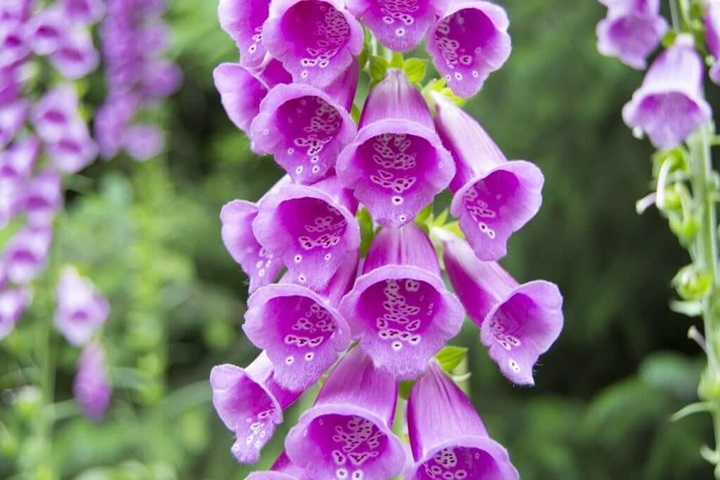
Incorporating certain flowers and herbs that naturally repel slugs has several benefits, such as the following.
- African violet
- Alyssum
- Astrantia
- Dianthus
- Foxglove
- Geranium
- Gloxinia
- Lady’s Mantle
- Lavender
- Lobelia
- Peony
- Phlox
- Strawberry Begonia
These slug-resistant plants not only aid the beauty and scent of your garden but also create a natural deterrent for slugs. These plants can serve as a perimeter defence, making your garden less appealing to these pests, as well as other animals too, making them a worthy addition for plants that deter cats.
12. Planting Indoors
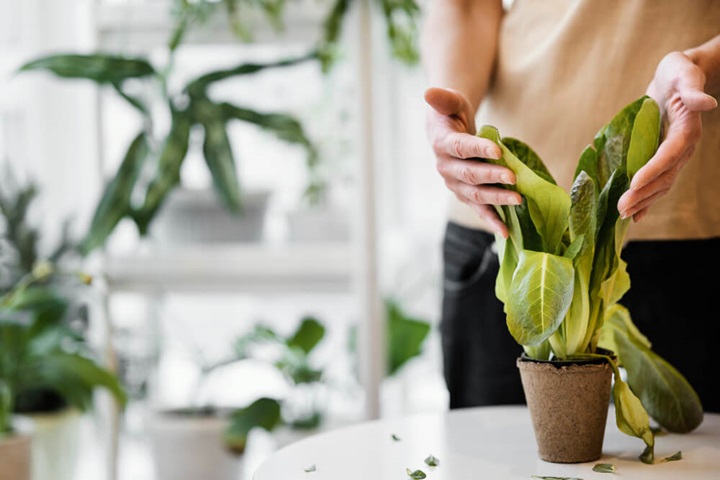
To effectively stop slugs from damaging young plants, begin by starting your seedlings indoors.
Once they reach a certainsize, about 10cm in height, they’re better equipped to survive outside.
If moving them isn’t feasible immediately, safeguard them with a halved clear drink bottle placed over each seedling. This makeshift cloche provides protection while allowing airflow, a critical aspect for healthy growth.
13. Adjust Your Watering
Since slugs thrive in moist conditions, a simple, straightforward approach to get rid of slugs is to modify your watering habits.
Avoid watering your garden or polytunnel in the evenings when temperatures drop and moisture lingers longer.
Instead, switch it up with morning watering instead, which allows the soil to dry out during the day, reducing the damp conditions that attract slugs.
14. Diatomaceous Earth
This naturally occurring substance is not only safe for organic gardening but is highly effective against slugs and other pests.
Its abrasive texture cuts through pests’ bodies, dehydrating them. Apply diatomaceous earth around your plants after rain or in early morning dew. Remember to wear a dust mask to prevent inhalation.
15. Garlic
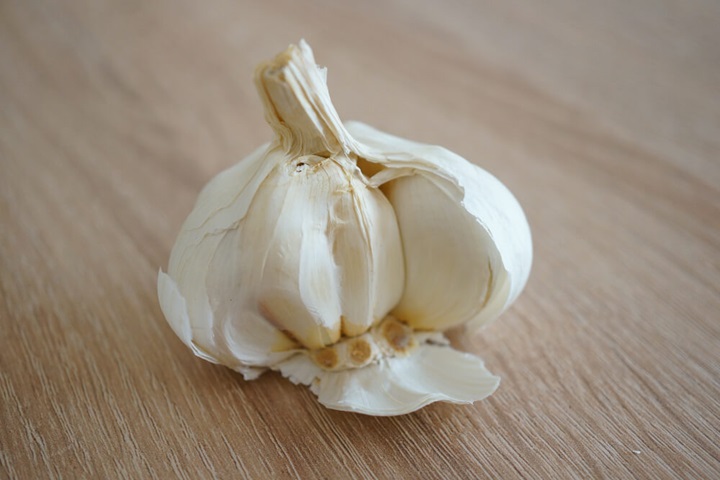
Garlic’s strong odour is a natural slug repellent.
Crush a clove of garlic and mix it with water in a watering can.
Liberally apply this mixture around areas of your garden that are heavily affected by slugs to deter their presence.
16. Handpicking
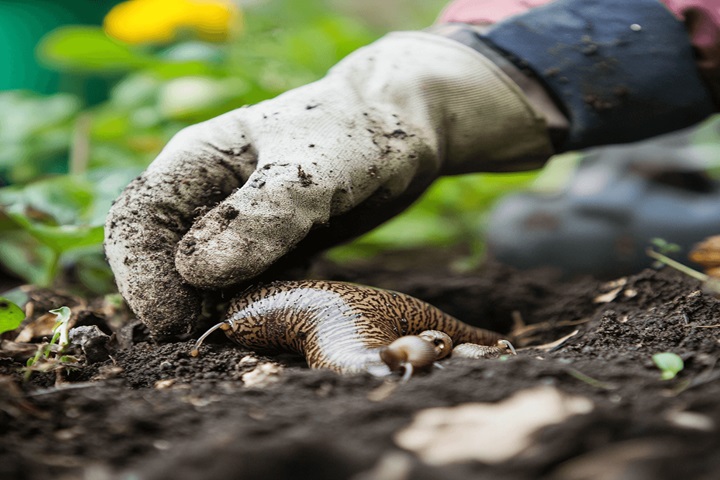
While not for everyone due to their slimy nature, handpicking slugs and snails can be a very effective way to stop slugs.
Be sure to wear gloves here, and manually remove these pests from your garden and dispose of them in soapy water. This method is most effective after dusk or early in the morning, when slugs are more active on the surface.
17. Create an Unfavourable Environment

If all else fails, aim to make your garden as unpleasant for slugs as possible.
Slugs thrive in moist and shady areas, so transforming your garden into a less welcoming environment is easy when done right. Start by removing excess moisture and shelter opportunities:
- Clear away plant debris and fallen leaves, particularly before fall when slugs are most likely to lay eggs.
- When mulching, keep it no thicker than 3 inches and away from plant bases to prevent slugs from accessing and damaging stems.
- Improve air circulation by spacing out plants properly, which helps the soil surface dry faster, making it less attractive to slugs.
In summary, knowing how to get rid of slugs naturally is a simple, cost effective solution that, by devoting a little bit of time towards maintaining your garden correctly, will provide long term results in terms of keeping your garden a slug free zone. Whilst these methods may not necessarily be 100% effective in all circumstances, you will more than likely decrease the number of times slugs will want to visit your garden, and will often choose somewhere else instead to lay about their slimy schemes.
Keep your teak garden furniture and memorial benches safe from slugs with our garden bench covers.
Discover our range of wooden garden lounge furniture, perfect for enjoying your pristine, pest-free outdoor space. Explore our collection today and find the perfect addition to your garden.
FAQs
While salt is effective in killing slugs, it’s not recommended for garden use as it can damage soil and plants. Consider using other natural methods.
Mulching with sharp materials like gravel, pine needles, or crushed shells creates a rough surface that slugs find difficult to cross.
Sources
Nematodes Direct. (2024) Nemaslug – 40 sq.m. [online] Available at: https://www.nematodesdirect.co.uk/nemaslug/8-nemaslug [accessed 05/09/2024]
Web MD. (2019) Diatomaceous Earth – Uses, Side Effects, and More. [online] Available at: https://www.webmd.com/vitamins/ai/ingredientmono-1531/diatomaceous-earth [accessed 05/09/2024]
