


Share

The best way to clean a patio properly can sometimes involve more than just a pressure washer…
To keep your patio in prime condition ready for summertime social events requires an expert approach. After all, discovering how to clean a patio effectively revitalises your outdoor space, making it inviting again. Whether dealing with grime on paving slabs or seeking the best way to clean patio areas, this article will provide essential tips for restoring your patio’s beauty.
We are the UK’s number 1 proud distributors in wooden benches – browse our collection now.
What Causes Dirty Patio Slabs?
Your patio will likely see the most activity during the summer; as such, patio slabs can be vulnerable to multiple elements. For those living in suburban areas, elements such as airbourne dirt, soot, and fine dust from nearby traffic and industrial activities can tarnish the tiles, obscuring their natural beauty. While preventing these factors might be challenging, learning how to clean a patio can restore its allure, making outdoor moments more pleasurable and even positive comments from your house guests.
Tools Needed:
For an effective patio refresh, you’ll need:
- Washing-up liquid or a specialised patio cleaner
- Warm water
- A bucket
- A hard-bristled brush for tough stains
- A pressure washer for deep cleaning
Ensure that your garden and patio is pest-free by using products that keep bugs away.
Patio Slabs: Maintenance Methods

Patio slabs, whether concrete or natural stone, are relatively easy to maintain and have a sleek appearance. However, as mentioned, exposure to the elements means they’re prone to stains, algae, moss, and weed growth, which can become slippery hazards. Identifying the best way to clean patio slabs involves selecting appropriate cleaning methods and tools which won’t damage the slab material.
What To Consider For Natural Stone Patios
Natural stone patios, such as those made from granite, marble, or limestone, require careful cleaning due to their textured surfaces and porosity. Before using high-pressure methods or electric cleaners, assess the stone’s hardness.
Soft stones should be cleaned gently to avoid damage, using pH-neutral soaps and soft brushes.
For larger natural stone areas, consider using an electric patio cleaner with appropriate settings to prevent erosion.
Make sure to learn how to effectively keep spiders off patio furniture with our tips and tricks.
How To Clean Patio Slabs:

Follow these step by step tips to clean your patio slabs properly:
1. Remove Coarse Dirt
Start by removing coarse dirt to prevent its spread during washing. Use a broom or a plastic rake to clear leaves and twigs without damaging the patio surface. For extensive areas, consider a mechanical sweeper to save time and effort, setting the stage for a more thorough cleaning of the paving slabs.
2. Clean Patio Joints From Weeds
After initial cleaning, focus on the patio joints. This is where weeds will mostly gather.
A joint scraper effectively removes weeds, moss, and stuck debris. This task requires patience, but is crucial for a neat finish. For those without a scraper, a garden spatula can serve as a temporary tool. Alternatively, a cordless weed remover will work too.
For an eco-friendly approach, boiling water can be poured over the weeds, destroying their cell structure and eventually killing them. This method is quite repetitive but is safe for the environment and cost-effective.
3. Deep Cleaning the Slabs
After weeding, it’s time to address the patio slabs. Events like summer barbecues may leave behind grease and wine stains, necessitating prompt cleaning, especially on porous surfaces where liquids penetrate quickly, risking permanent discoloration.
Therefore, utilise stone-specific detergents or concrete cleaners to tackle these stains. Some cleaners are used directly, while others need dilution. Apply the solution, let it sit for a few minutes, then rinse with water. For a natural alternative, create a solution of water with bicarbonate soda or vinegar. Test this on a small area first to ensure no discoloration occurs. If safe, apply generously, let it soak, then scrub and rinse.
4. Pressure Washing
Pressure washers are the go-to tool for many when cleaning patios since it can easily wash away dirt with high pressure. However, exercise caution as the intense water jet can damage softer materials, too.
For durable stone like granite, high pressure is fine, but use a lighter setting for softer stones or a surface cleaner attachment to lessen damage. For smaller areas, a handheld cleaner with a power scrubber can effectively clean without harming the patio’s integrity.
5. Utilising a Patio Cleaner
An electric patio cleaner can make the process of cleaning paving slabs easier, combining rotating brushes and a water supply to tackle stubborn grime. Adjust water usage based on how much cleaning is required on different surfaces, ensuring a thorough, gentle cleanse.
Follow these steps to achieve the best way to clean patio areas:
- Connect the cleaner to a water source, such as a garden hose.
- Regulate the water flow on the cleaner to suit the cleaning intensity required for different materials, using less water for concrete and more for wood or stone.
- Activate the cleaner and methodically move it across the patio, allowing the rotating brushes to dislodge dirt efficiently.
- After scrubbing, rinse the area with a hose to wash away residual dirt, revealing clean slabs.
Cleaning Concrete Patios
Concrete has a high absorbency rate, meaning that it can be more challenging to clean as it quickly soaks up liquids. To clean a concrete patio effectively:
- Start with a small amount of water to prevent deep penetration of stains.
- Use scouring sand for dry stains, acting as an abrasive to remove dirt without excessive water.
- For green deposits or algae, apply warm water mixed with biodegradable soap, letting it sit before scrubbing with a brush.
- Rinse thoroughly to ensure no soap residue remains, maintaining the integrity of the concrete surface.
Here is the essential guide on choosing the right patio furniture for your garden.
How To Clean A Patio With Homemade Ingredients
For those sticking to a budget, it is possible to clean your patio with homemade ingredients too!
Washing-Up Liquid
For a cost-effective and gentle method to clean patio slabs, dish soap or washing up liquid is an excellent choice. Here’s how to clean a patio using this everyday item:
- Add a squirt of washing-up liquid to a bucket and fill it with warm water to create soapy suds.
- Begin at one corner of the patio and splash the soapy water onto the surface, then scrub in diagonal motions to lift dirt effectively and preserve the jointing compound.
- Continue the process across the entire patio, refreshing the soap solution as needed.
- After scrubbing, rinse the patio with clean water, ensuring all soap and loosened dirt are washed away.
- Inspect the joints for any lost compound and replenish as necessary, allowing the patio to dry completely before replacing furniture.
Vinegar
Whilst vinegar is a great, eco-friendly tool to use here, be aware to avoid using it on limestone, as its acidity can damage the stone.
For other types of paving slabs, mix equal parts white vinegar and warm water. Apply the mixture to the patio, letting it sit to break down tough stains and grime. Afterwards, scrub and rinse as with the soapy water method.
Aftercare Tips
Regular maintenance can reduce the need for intensive cleaning. Sweep the patio regularly to prevent debris accumulation, which can lead to staining. In autumn, frequent brushing helps prevent leaf stains.
Applying a sealant to the patio slabs can protect against weathering and maintain their colour, especially for darker slabs. This preventative care ensures a consistently clean and welcoming patio area throughout the year.
Once your patio is cleaned following our advice, be sure to add our deluxe wooden garden lounge furniture so that you can enjoy the summer outdoors with your friends.
Cleaning Paving Slabs Made Easy
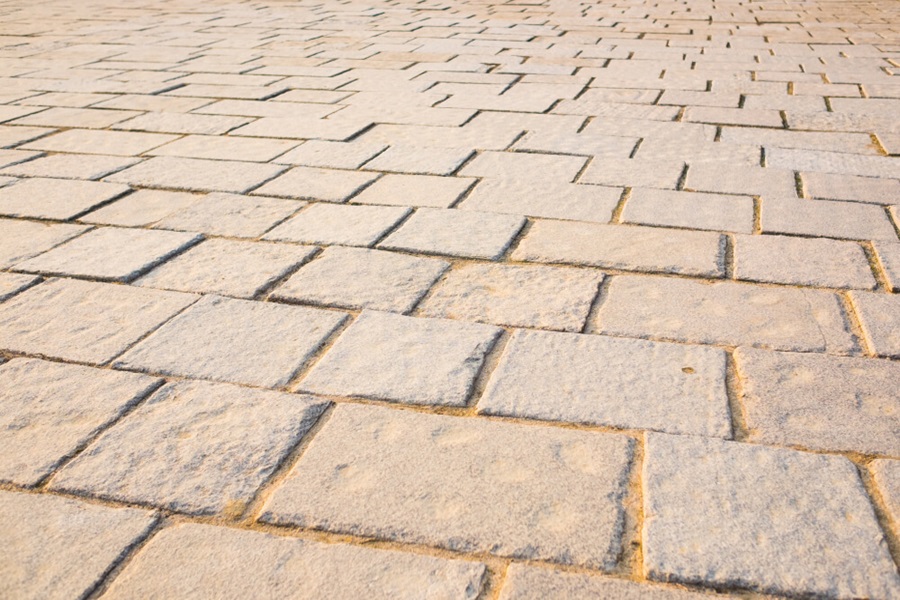
In conclusion, maintaining a clean patio can elevate your outdoor space’s beauty and safety. Whether using mechanical tools like pressure washers and patio cleaners, or opting for eco-friendly solutions like dish soap and vinegar, the key is to choose the right method for your patio’s material. Regular maintenance and aftercare, such as sweeping and sealing, will keep your patio inviting all year-round, ensuring it remains the perfect spot for relaxation and entertainment.
Want more advice on maintaining your garden? Head to our gardening tips section.
Check out these interesting patio designs and ideas.
FAQs
The best thing to clean a patio is a mixture of warm water and a gentle detergent or a specialised patio cleaner, which effectively removes dirt and grime without damaging the surface.
Clean an outdoor patio by sweeping off debris, applying a cleaning solution, scrubbing with a stiff brush to remove dirt and stains, and then rinsing with water.
You can clean your patio without a pressure washer by using a broom to sweep off debris, applying a mixture of water and vinegar or a gentle detergent, and scrubbing with a stiff brush, then rinsing with a garden hose.
Bleach can be used to clean patios, especially for removing mould or mildew, but it should be diluted and used carefully to avoid damaging plants or discolouring the patio surface.
Sources
Houzz. (n.d.) 75 Patio Ideas and Designs. [online] Available at: https://www.houzz.co.uk/photos/patio-ideas-and-designs-phbr0-bp~t_10324 [accessed 09/04/24]
Koetting, M., (2024) 12 Products to Keep Bugs Away from Your Outdoor Eats. Taste of Home. [online] Available at: https://www.tasteofhome.com/collection/products-that-keep-bugs-away/ [accessed 09/04/24]
