


Share

Winter pansies are a popular choice for gardeners in the UK, offering vibrant colours during the colder months. In this article, we will explore everything you need to know about how to grow winter pansies, including how to care for winter pansies, too, so that they can easily withstand the unpredictable UK weather. Don’t forget, we also offer advice on growing other garden flowers, such as our recent guide on how to grow dahlias, and much more.
How to Grow Winter Pansies:
Winter pansies are a delightful addition to UK gardens, bringing colour to your garden during the colder months, ideal for next to memorial benches. For proper growth of winter pansies in the UK, you should plant them in autumn, either in containers or borders. Choose fertile soil or a high-quality potting compost, ensuring the allocated location receives sun or partial shade.
As the season progresses, especially during dry spells, you need to consistently water them when possible. To ensure a continuous display of blooms, you can feed your pansies humus, compost, or even a slow-acting fertiliser. Remember to remove dead flower heads, which will aid in further flowering.
When to Plant Winter Pansies in the UK:
The best time for planting winter pansies in the UK is during September or early October. Doing this ensures that the roots grow robustly, preparing them for the colder months. If you’re wondering how long do winter pansies last in the UK, this depends on their planting time. Late-season planting might result in weaker roots, reducing their lifespan.
Planting Techniques for Winter Pansies:
Spacing is vital as an efficient planting technique for your winter pansies. We recommend placing your plantings 15 cm apart for bush varieties and 20-25cm for trailing ones if planting early. For those planting closer to winter, a 10-15 cm spacing is ideal since growth is limited during colder months. Always opt for a peat-free, multi-purpose potting compost for pots, and for borders, enrich the soil with well-rotted garden compost or a quality soil improver.
Planting Winter Pansies: Step by Step:
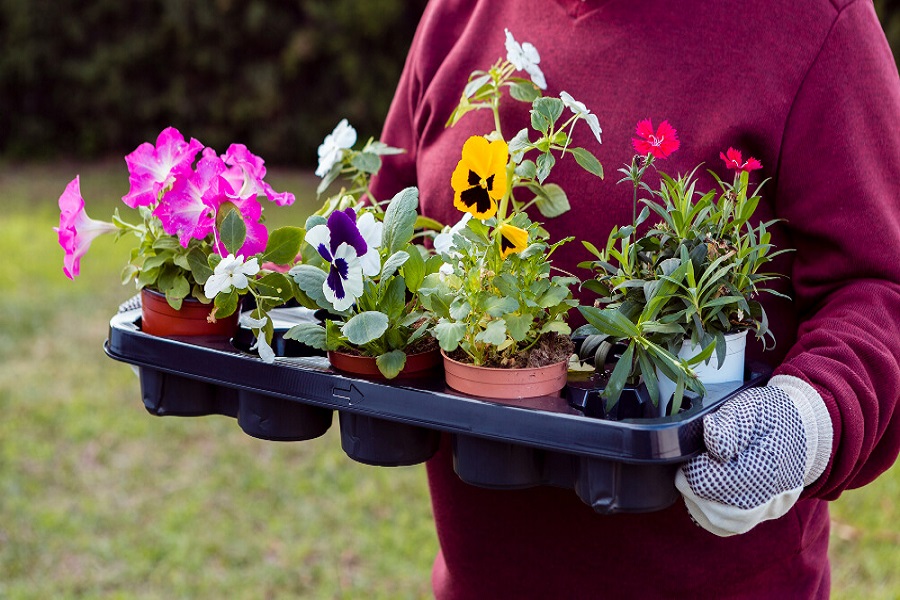
You can still plant your winter pansies in the ground (even if you have missed the opportune moment) as long as the ground isn’t frozen or overly saturated. Just remember, these late bloomers might not be as resilient to the cold.
If you’re planting closer to winter, keep them snug at 10-15 cm apart since their growth will be limited during the colder months.
If you are using pots for growing pansies, a high-quality, peat-free multi-purpose potting compost is your best bet. If you’re planting directly in borders, enhance the soil with well-decomposed garden compost or a specialised soil enhancer.
Sowing Winter Pansies from Seed
Starting your pansies from seed? Begin indoors between June and July. Here’s how:
- Prepare a seed tray or small pot with seed compost, ensuring a flat surface.
- Sow the seeds thinly across the soil, ensuring they’re spaced out for easier transplanting later.
- Gently cover the seeds with soil or vermiculite. To water, place the pot in a tray filled with water, letting it absorb moisture from the bottom for about twenty minutes. This method avoids disturbing the seeds.
- Position the seed tray in a warm greenhouse or a sunlit window sill. You should see sprouts in 14-21 days.
- Once the seedlings are sturdy enough, transplant them into individual pots.
Winter Pansies in a Garden
Winter pansies are adaptable, thriving in various pots and containers. Whether you’re planting them solo, mixing them with other plants, or using them as underplants for larger shrubs or conifers, they’re a versatile choice. They flourish in both full sun and partial shade.
In garden borders, winter pansies can stand alone or be combined with other bedding plants. They’re also great for filling any gaps. Pair them with early spring bulbs like narcissus for a layered, vibrant display.
Top Winter Pansy Varieties to Consider
Looking for the best winter pansies for your UK garden? Here are some top picks:
- Pansy ‘Matrix Mixed’: Known for its large, vibrant flowers, this variety is a winter favourite. Its robust branching ensures it stands strong against winter’s harshness. Purchase Here
- Pansy ‘Coolwave Raspberry’: Perfect for hanging baskets and pots, this variety offers a cascading growth pattern. It’s fast-growing and promises a prolonged blooming period. Purchase Here
- Pansy ‘Most Scented’: Place these near entrances to enjoy their refreshing scent even on the coldest winter days. Their bright hues are sure to brighten any mood.
Caring for Winter Pansies
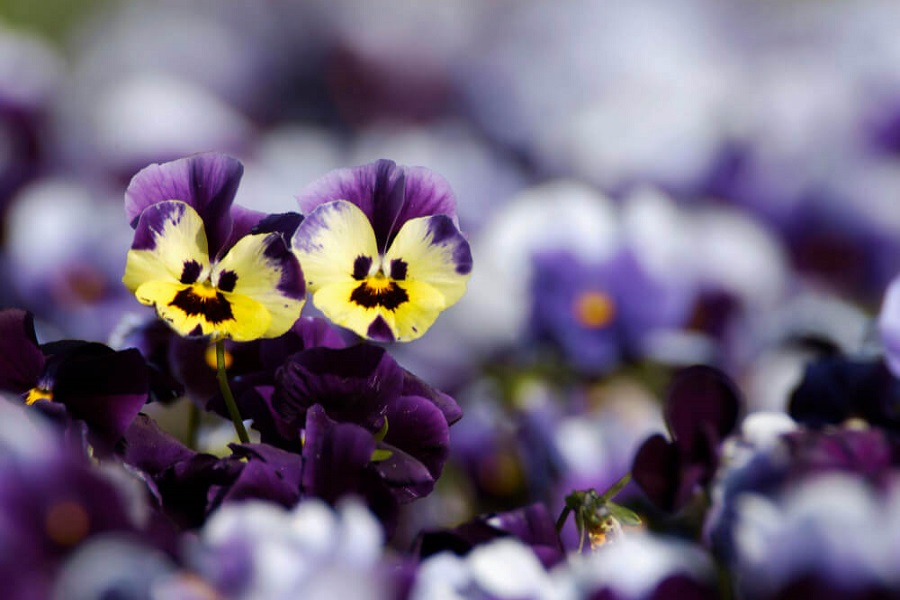
Upon receiving your winter pansies, it’s essential to plant them as soon as possible to ensure their vitality. To plant pansy plugs, create a hole in your chosen spot, either a bed or pot, that’s roughly the size of the plug. Gently place the plug in the hole, covering it with soil. Immediately after planting, especially if done in spring, water the area and fertilise. A second round of fertilisation in spring ensures they receive plenty of nutrients throughout their blooming period.
Sunlight is also crucial for pansies. While they can tolerate partial shade, optimal sunlight exposure ensures they’re better equipped to handle varying weather conditions. During dry spells or when cold easterly winds are prominent, ensure they’re adequately watered, focusing the water on the soil to prevent the spread of fungal diseases. From late winter onwards, a bi-weekly liquid fertiliser feed can boost their growth. Regularly removing faded or dead flowers encourages continuous blooming.
Watering Winter Pansies:
Despite the UK’s winter and spring weather, it’s essential to monitor your pansies’ hydration levels. This is especially important for potted pansies that might be shielded from natural rainfall. A simple finger test into the soil can help determine if watering is needed.
Pruning and Propagation:
To ensure your winter pansies thrive beyond a single season, trim any overextended stems during spring and summer. This not only maintains their appearance but also promotes healthier growth.
For those looking to propagate winter pansies, seeds can be sown from late spring to mid-summer on a tray filled with moist seed compost. Once the seedlings germinate and reach a manageable size, they can be transplanted to individual pots or modular trays. Nurture them until they’re robust enough for outdoor planting.
Controlling Pests and Diseases:
One common issue with pansies in winter is the appearance of spots or blotches on their leaves, typically caused by fungal diseases. These spots might be limited to the leaves, but occasionally, they can spread to the stems or even the plant’s core.
To prevent introducing diseases into your garden, always purchase from reputable sources and inspect plants for any signs of disease. If your pansies show signs of leaf spots, remove and dispose of the affected parts.
In subsequent years, consider planting pansies in a different location, as disease spores can linger in the soil. Regular removal of dead flower heads and yellowing leaves can also help in preventing potential infections.
Of course, adding in companion plants can help to put off certain pests. Check out our guides on plants that deter cats as well as the top fly-repellent plants.
Grow Winter Pansies In The UK Now
Growing winter pansies in the UK can be a rewarding experience, adding vibrant hues to gardens during the colder months. By choosing the right planting time, ensuring adequate sunlight, and providing consistent care, these resilient flowers can thrive. Regular pruning and mindful watering further enhance their longevity. Embrace these simple steps, and your garden will be adorned with the cheerful presence of pansies throughout winter and beyond. Make sure to introduce some wooden garden chairs and wooden garden lounge furniture to your garden so that you can enjoy your collection of flowers throughout the year.
FAQs
Yes, you can. Winter pansies are tough and will bloom throughout winter and into spring, even if planted late. They brighten up gardens during months with fewer flowers. While they love sunlight, they can also grow in some shade. But remember, late-planted pansies might not be as strong in very cold weather.
While winter pansies can come back for up to three years, many gardeners treat them as yearly plants. They can handle frost but might need covering with a protective layer during long cold spells.
Winter pansies are tougher, designed to survive cold weather, while summer ones aren’t as hardy.
Yes. Watch out for small spots on the leaves, a sign of a fungal disease. Remove sick leaves or plants. Also, protect them from slugs and snails. If in pots, remember to feed them every two weeks to keep them vibrant
No, they’re different but related. Winter pansies have bigger flowers and are great for cold months. Violas have smaller, numerous flowers and are perfect for spring. Both have heart-shaped petals in various colours, and some even look like they have little faces!
Sources
Thompson & Morgan. (n.d.). Pansy ‘Matrix™ Mixed’. Thompson & Morgan. [online] Available at: https://www.thompson-morgan.com/p/pansy-matrixtrade-mixed/p85592TM [accessed 25/09/23]
Suttons. (n.d.). Pansy Plants – Cool Wave Raspberry. [online] Available at: https://www.suttons.co.uk/flower-plants/pansy-plants/pansy-plants-cool-wave-raspberry_mh7847 [accessed 25/09/23]
Van Meuwen. (n.d.) Pansy ‘Most Scented Mix’. Van Meuwen. [online] Available at: https://www.vanmeuwen.com/p/pansy-most-scented-mix/v11421VM [accessed 25/09/23]
Sketch Plantations. (n.d.) The Finger-Dip Test To Not Overwater Houseplants. [online] Available at: https://sketchplanations.com/the-finger-dip-test-to-not-overwater-houseplants [accessed 25/09/23]
