


Share

Bulbs are a delightful addition to any garden, providing bursts of vibrant colours and pleasant fragrances throughout the year. Whether you’re a seasoned gardener or a green thumb beginner, knowing the best time to plant bulbs in the UK is crucial to ensure a beautiful and flourishing display. In this article, we will explore the best times to plant bulbs in each season, what types of bulbs to choose, how to plant them, potential problems you may face, and the ideal locations for planting bulbs to achieve stunning results.
Planting summer-flowering bulbs such as lilies and gladioli can provide dramatic, tall blooms that are scented.
Autumn-flowering bulbs, such as nerines, can brighten up the late season with unexpectedly colourful displays.
Buying Bulbs
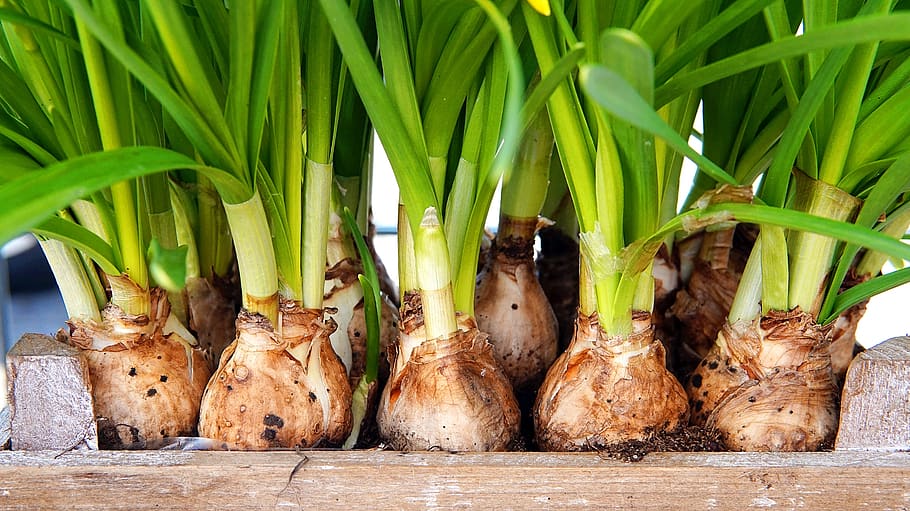
Bulbs are low-maintenance plants that spend a lot of the year in dormancy, requiring minimal attention. When you’re choosing bulbs for your garden, keep an eye out for plump, firm bulbs – these are the healthiest ones. In order to avoid disappointing gaps in your flower beds, refrain from selecting bulbs that show signs of damage, shrivelling, softness, or mould, as these are more likely to fail. To produce optimal results, it’s best to plant the bulbs within one week of purchase, this prevents them from sprouting prematurely. Store the bulbs in a cool, dark place until you’re ready to plant them, this ensures they remain in excellent condition for the planting process.
Spring-flowering bulbs
Spring-flowering bulbs bring colour and cheer to your garden after the long winter months. To ensure successful growth and blooming, it’s vital to plant them at the appropriate depths.
By following advised planting depth guides, you’ll provide the ideal conditions for your spring-flowering bulbs to thrive and fill your garden with a dazzling array of colours and fragrances.
Most bulbs should be planted at 2-3 times their depth.
Summer-flowering bulbs
As the warmer months approach, it’s time to prepare your garden for a stunning display of summer-flowering bulbs. Like spring-flowering bulbs, it’s essential to plant them at the appropriate depths to ensure these bulbs flourish and produce vibrant blooms.
By planting these summer-flowering bulbs at their appropriate depths, you’ll encourage strong root development and ensure a spectacular display of colours and blooms during the warmer months. Remember to provide adequate water and care, and your garden will be transformed into a captivating oasis of summer beauty.
Most bulbs should be planted at 2-3 times their depth.

When to Plant Bulbs UK
Knowing when to plant bulbs is essential to ensure they flourish and grace your garden with stunning blooms. Here’s a breakdown of when to plant different types of bulbs:
Spring-flowering bulbs (to plant in autumn)
Spring-flowering bulbs, such as daffodils, tulips, and crocuses, should be planted in the autumn, typically between September and November, depending on the specific variety. Planting them during this period allows the bulbs enough time to establish their root systems and prepare for their spectacular spring show.
Summer-flowering bulbs (to plant in spring)
For summer bulbs like agapanthus, cannas, and alliums, the ideal time for planting is in the spring, when the soil is starting to warm up. These bulbs require a minimum soil temperature of 13 degrees Celsius before they grow actively. It’s crucial to avoid planting them in cold, wet soils as this can lead to rotting and poor growth.
How to Plant Bulbs
Planting bulbs is a joyful task that sets the stage for a vibrant garden filled with colourful blooms. To ensure successful growth and a stunning display, follow these steps:
- Individual Holes or Trenches: Decide whether you want to plant bulbs in individual holes, one for each bulb, or in trenches for multiple bulbs. Both methods can be effective, depending on your preference and the scale of your planting.
- Proper Orientation: Place the bulbs in the holes or trenches with the growing point facing upwards. Avoid pushing the bulbs down too hard, as this can cause damage to the delicate structures.
- Planting on Their Side: For certain bulb varieties where the growing tip is not evident, planting them on their side ensures that the shoot will find its way to the surface, regardless of which end is up.
- Careful Backfilling: Once the bulbs are positioned correctly, cover them with soil carefully. Gently firm down the soil after backfilling to eliminate air pockets around the bulbs.
- Consider Blooming Time: Plan your bulb planting to extend the flowering season. Mixing early, mid, and late-season bloomers allow for a continuous parade of colours and blooms throughout the growing season.
By following these planting techniques, you will set the bulbs up for success, leading to a spectacular and harmonious garden display. Enjoy the anticipation as you wait for the bulbs to awaken.
Where to Plant Bulbs
Choosing the right location for planting bulbs is crucial to their successful growth and blooming. Consider the following factors to create an optimal environment for your bulbs:
- Well-Draining Soil: Bulbs despise waterlogged soil, especially during winter. Excess moisture can cause the bulbs to rot before they even have a chance to send out shoots. Ensure that the soil is free-draining and doesn’t retain water for prolonged periods.
- Improving Drainage on Clay Soils: If you have heavy clay soils, enhance the drainage by incorporating two buckets of coarse sand per square meter. This addition will aid in preventing waterlogging and increase the chances of successful bulb growth. Alternatively, incorporating plenty of well-rotted organic matter can also improve drainage in clay soils.
- Consider the Aspect: The aspect of the planting site can influence the success of certain bulb varieties. Hardy bulbs like Daffodils and Tulips thrive in warm, sunny sites that receive ample sunlight. On the other hand, bulbs from cooler climates, such as Cardiocrinum, prefer cooler and moister sites with dappled shade.
- Check Specific Variety Preferences: Different bulbs have varying soil and aspect preferences, so it’s essential to research the specific needs of the bulbs you plan to plant. Some bulbs may prefer alkaline soils, while others thrive in acidic conditions. Understanding these preferences will help you create the ideal growing environment for each type of bulb.
They can be a great addition next to your teak garden furniture!
By paying attention to these considerations when selecting the planting site, you’ll provide your bulbs with the best possible conditions for healthy growth, leading to a garden bursting with an array of delightful colours and captivating blooms.
Learn how to bring butterflies to your garden for a complementing burst of nature.

Planting Density for Bulbs
Planting bulbs in groups is highly recommended to create a truly spectacular and eye-catching display. The size of the group you plant will depend on the specific type of bulb you’re working with. Here are some recommended planting densities for certain bulb varieties:
| Bulb Type | Recommended Planting Density |
| Tulips | Plant in groups of at least 6 bulbs |
| Daffodils | Group planting with a minimum of 5 bulbs |
| Crocuses | Plant in clusters of 10 bulbs or more |
| Alliums | Group together with a minimum of 3 bulbs |
| Snowdrops | Plant in drifts of 20 bulbs or more |
| Hyacinths | Group planting with at least 3 bulbs |
| Iris Reticulata | Plant in clusters of 10 bulbs or more |
| Fritillaria Meleagris | Plant in groups of at least 5 bulbs |
Adhering to these recommended planting densities will help to create a captivating and vibrant display of colours and textures in your garden. Grouping bulbs together complements their beauty, producing a more striking and cohesive visual impact. Enjoy the beauty and charm of clustered bulbs as they blossom and fill your garden with nature’s brilliance.
Aftercare
After planting your bulbs, it’s essential to provide them with the proper care and attention to ensure they thrive and produce a spectacular display. Follow these aftercare tips for healthy and beautiful bulbs:
- Mindful Ground Care: Take care to avoid trampling or squashing the ground around the planted bulbs, as this can lead to bulbs breaking and hinder their growth. Protecting the area will give the bulbs the best chance to establish themselves.
- Regular Watering: Throughout the growing period, ensure that planting areas receive adequate watering. Be especially attentive to bulbs in containers and pots, as they tend to dry out more quickly than those planted in the garden borders.
- Utilize Plant Tags: Although plant tags might not be the most visually appealing, they are essential for remembering where you planted your bulbs. They serve as a valuable tool to prevent accidental digging up of bulbs during the spring and summer months.
- Feeding for Optimal Blooms: To encourage a vibrant flower show, feed your bulbs every 7-10 days with a high-potassium feed, such as Tomato Plant Food. Start feeding the bulbs once their shoots appear and discontinue once the foliage begins to die back.
- Tulip and Bulb Reflowering: Tulips and many other bulbs reflower well if lifted from the soil after flowering. Once the blooms have faded, remove the seed heads and allow the foliage to die back naturally. Afterward, carefully lift the bulbs from the ground, clean off any soil, and store them in boxes or net bags in a cool, dry place for replanting the following year.
These tips will ensure the continued health and vitality of your bulbs and your outdoor space.
Appreciate the vibrancy of your outdoor space from the comfort of a tree bench, giving you the perfect view of every angle of your garden.
Problems
Bulbs are generally low-maintenance plants, but there are a few potential issues to watch out for. Here are some common problems and pests that may affect your bulbs:
- Starting with Healthy Bulbs: Ensure that the bulbs you purchase are healthy and free from any signs of damage or rot. Discard any bulbs that feel soft or show indications of decay, as they are likely to fail and not produce blooms.
- Pest Infestations: Watch out for pests such as slugs, snails, and squirrels, which can cause damage to your bulbs. Squirrels may be attracted to tulips and crocus bulbs, so take precautions to protect them from these furry intruders.
- Diseases to Monitor: Some diseases can affect bulb plants, leading to stunted growth or failure to bloom. Keep an eye out for daffodil viruses, grey mould in snowdrops, narcissus basal rot, tulip fire, and tulip viruses. You should address any signs of disease quickly to prevent its spread.
By being vigilant and addressing any potential problems early on, you can ensure that your bulbs stay healthy and thrive. Regular inspection and appropriate measures will help you maintain the health of your bulbs and enjoy their radiant blooms year after year.
Missed planting your bulbs at the right time?
Life can get busy, and sometimes bulbs end up forgotten at the back of a shed or left in the car. If circumstances prevent you from planting your bulbs at the ideal time, don’t worry; there’s still hope to salvage their potential beauty. Follow these tips to give your bulbs a fighting chance:
- Plant or Pot Them ASAP: The best course of action is to get the neglected bulbs in the ground or potted up as soon as possible. Delaying until the next autumn or designated planting time will only lead to further deterioration of the bulbs.
- Inspect and Discard: Before planting, inspect the bulbs and discard any that feel soft or show signs of rot. Focus on the remaining bulbs, as they are still worth a try, even if some have started to sprout. Keep in mind that different bulbs have varying storage lifespans, with some, like tulips, storing longer than others like daffodils.
- Expectations for the First Year: It’s possible that bulbs planted late may not perform as expected in their first year. You might see shorter flower stalks or reduced blooms. However, if the bulbs belong to a type that naturalizes and returns year after year, subsequent seasons should see improved performance.
- Assist with Recovery: Help the bulbs recover by adding a well-balanced fertilizer into the soil at planting time. This will provide them with essential nutrients and support their growth.
If you’re relying on a timely display, consider supplementing with potted bulbs from a garden centre to ensure a vibrant and reliable flower show. While late-planted bulbs may not achieve their full potential immediately, with care and patience, they will reward you with their beauty in the years to come.
Let the bulb-planting journey begin!
Planting bulbs in your garden can add a captivating and colourful dimension to your outdoor space, with blooms that delight the senses throughout the seasons. By understanding the best times to plant bulbs in the UK, choosing the right bulbs, and following proper planting techniques, you can create a stunning floral tapestry that blooms throughout the seasons. Whether you opt for spring-flowering or summer-flowering bulbs, the result will be a garden filled with beauty and colour for years to come. So, roll up your sleeves, grab your trowel, and let the bulb-planting journey begin!
FAQs
The best time to plant spring-flowering bulbs is in the fall, typically between September and November, before the ground freezes. This allows the bulbs to establish roots before winter and bloom in spring.
The planting depth for bulbs varies depending on the type of bulb. As a general rule, most bulbs should be planted at a depth that is three times their diameter. For example, if a bulb is 2 inches in diameter, it should be planted at a depth of 6 inches.
Most bulbs require full or partial sunlight to grow and bloom successfully. It is important to choose a planting location that receives the appropriate amount of sunlight for the specific type of bulb you are planting.
Yes, you can store bulbs if you cannot plant them immediately. Store them in a cool, dry, and well-ventilated place. Some bulbs may benefit from pre-chilling in the refrigerator before planting. Be sure to check the specific storage requirements for each type of bulb.
Sources
- The Daffodil Society. (n.d.). A Guide to Daffodils: Pests & Diseases. Retrieved from https://thedaffodilsociety.com/a-guide-to-dafodils/pests-diseases/
- Peter Nyssen Ltd. (n.d.). Autumn Planting Tulips. Retrieved from https://www.peternyssen.com/autumn-planting/tulips.html
- Hart’s Nursery. (n.d.). Nerines. Retrieved from https://www.hartsnursery.co.uk/Nerines/
- Hart’s Nursery. (n.d.). Lily Bulbs. Retrieved from https://www.hartsnursery.co.uk/Lily-Bulbs/
- J. Parker’s. (n.d.). Gladioli. Retrieved from https://www.jparkers.co.uk/bulbs-tubers/gladioli
