


Share

Say goodbye to those annoying wasps that appear in your garden every summer. Discover nature’s way to keep your garden wasp-free with the best wasp repellent plants!
Embrace the power of plants that wasps hate and turn your garden into a peaceful oasis. In this article, we will look at the best wasp repellent plants that are known to naturally repel these pesky insects, as well as other natural benefits that the plants can bring to your garden.
Key Points:
- Identify plants that naturally deter wasps, such as lavender, mint, and rosemary.
- Learn why these plants are effective and how their strong scents can keep wasps away.
- Tips on strategically placing repellent plants to protect your outdoor living spaces and family gatherings.
- Additional guidance and advice on plant care and wasp prevention in the garden.
Why Are Repellent Plants Effective Against Wasps?
Wasps, notorious for their disruptions in outdoor settings, are highly sensitive to certain scents. By placing these wasp repellent plants in your garden, you can use nature against these pests and create a wasp-free space.
Each of these wasp repellent plants emit strong scents that wasps find unbearable, effectively disorienting them and deterring their presence. However, it’s important to note that these natural repellents are best suited for preventing wasps from settling rather than dealing with established nests, which may require professional removal services.
Plants That Wasps Hate
There are many kinds of wasp repellent plants that can deter wasps in different ways. In this case of this article, these plants exude aromas that repel these pests. Here’s a closer look at the top plants that deter wasps:
1. Lavender
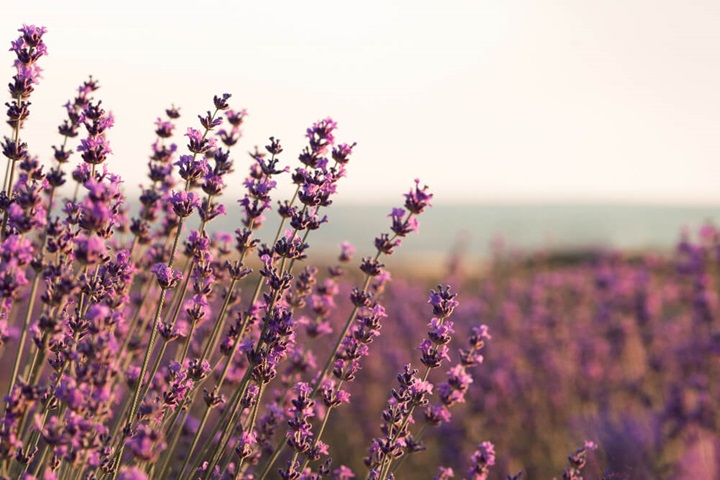
Lavender is not only valued for its vibrant purple hues and soothing scent but also for its wasp-repelling capabilities.
After all, lavender oil, which has a wide range of benefits, is also a deterrent to wasps, making it an excellent choice for garden borders.
2. Eucalyptus

The strong menthol scent of eucalyptus leaves is overwhelming to wasps. This fast-growing tree can reach substantial heights quickly, offering not only privacy but a continuous repellent effect as long as its aromatic leaves are present.
Pruning encourages fresh growth, too, which releases more of the scent that keeps the wasps at bay.
3. Mint
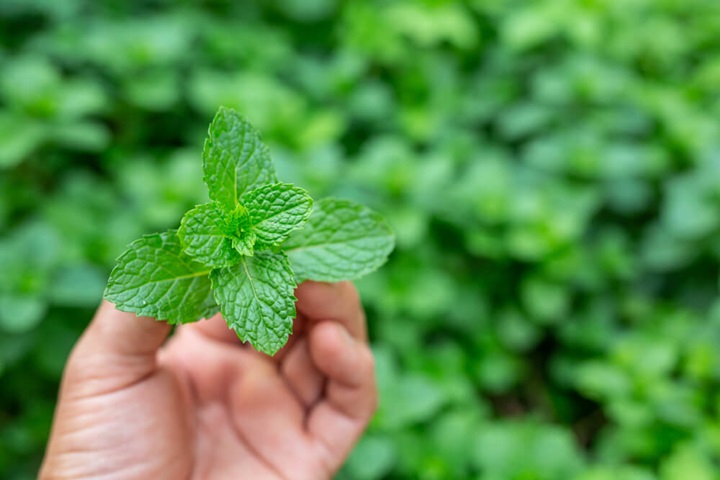
Refreshing to us but repulsive to wasps, mint is a plant that thrives throughout the summer.
Its intense aroma is perfect for placing near outdoor seating areas to keep wasps away. As an added bonus, mint is easy to grow, manage, and can even be added in pots.
4. Marigold
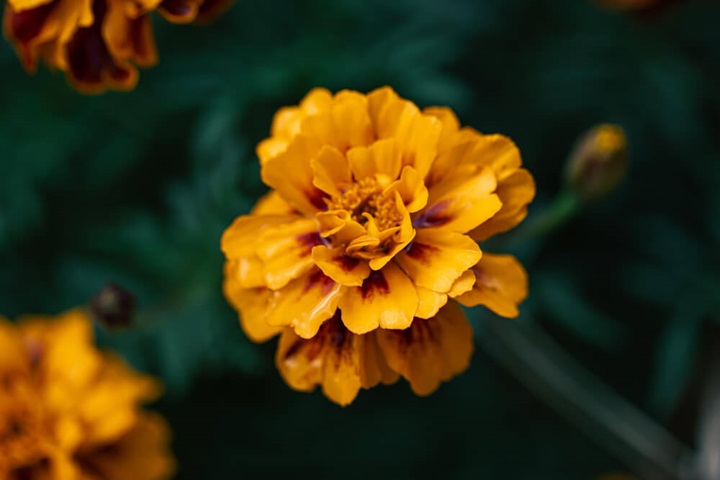
These bright, beautiful flowers do more than just add a splash of colour to your garden.
Marigolds, like other plants on this list, emit a spicy scent that wasps do not like. Easy to care for and capable of self-seeding, marigolds are both decorative and highly functional as a natural wasp repellent.
5. Geranium
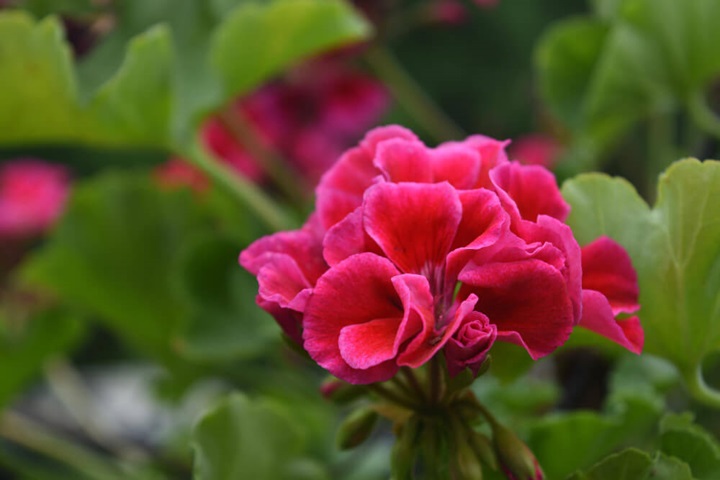
Particularly the scented ivy-leaf variety, geraniums release a fragrance that is instantly noticeable and energising to humans but detested by wasps.
Geraniums are ideal for planting in sunny spots where their aroma becomes more pronounced, providing a natural barrier against these flying pests.
6. Wormwood
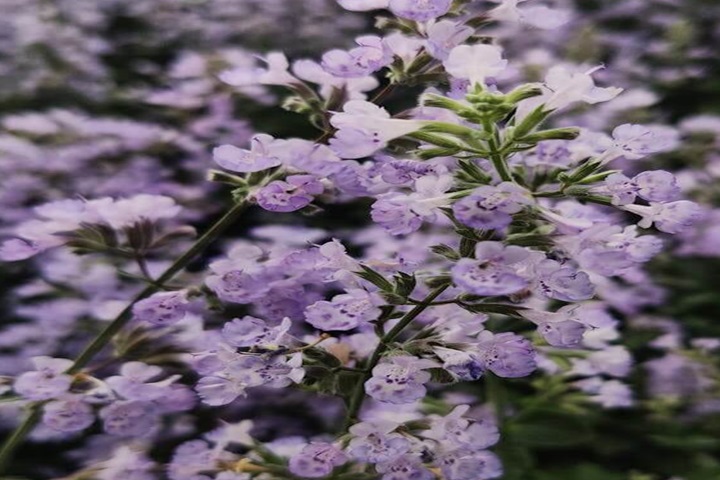
Wormwood, or Artemisia, is known for its fine, silver foliage and its strong, astringent scent, which makes it one of the effective plants that wasps hate.
It’s easy to grow in sunny, well-draining areas and can form attractive mounds in garden beds or containers, making it a decorative plant deterrent against wasps.
7. Lemongrass
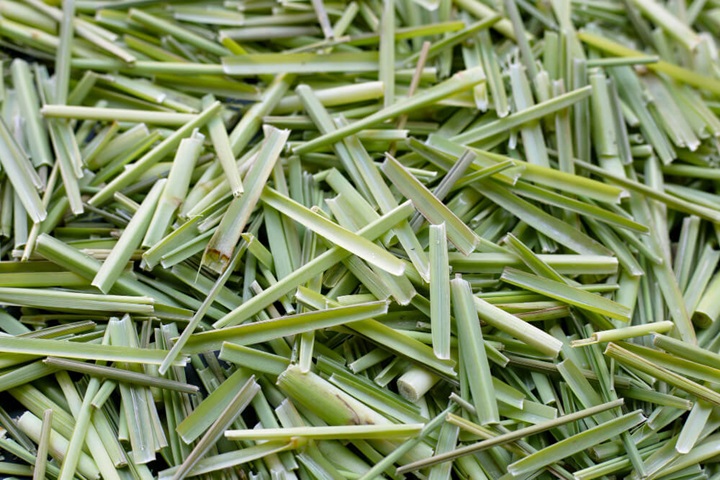
For those in warmer climates (US hardiness zones 9 to 11), lemongrass is a great choice to keep wasps away.
Its strong citrus fragrance is wonderful for human senses but a repellent to wasps. This plant requires minimal care in suitable climates but needs to be overwintered indoors in cooler zones.
8. Mugwort
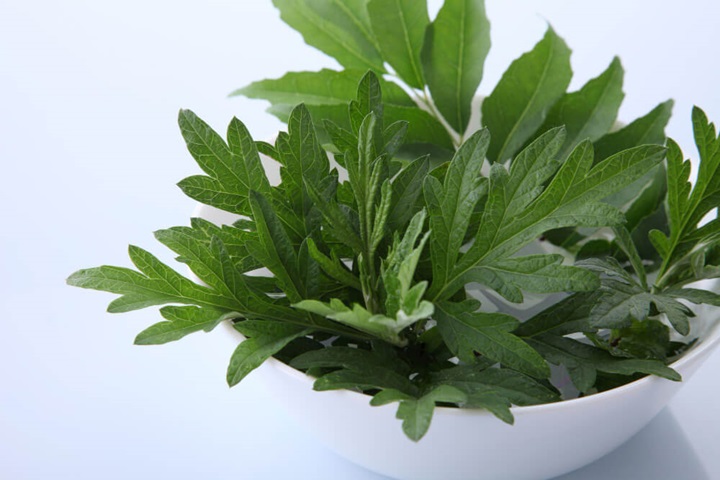
Mugwort serves as a handy filler plant in larger gardens, where its ample size helps to fill out garden borders and keep wasps away.
Its dense growth makes it a practical choice for expansive outdoor spaces needing coverage and protection.
9. Basil
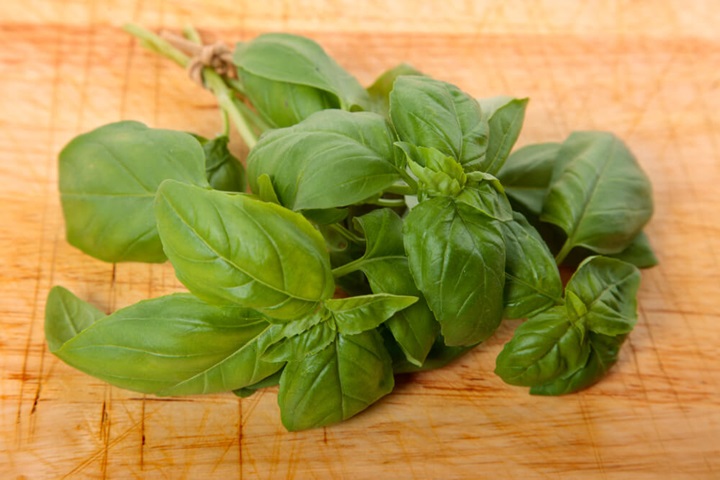
Known for its indispensable role in the kitchen, basil also doubles as an effective wasp repellent plant.
Its strong scent is unappealing to wasps, making it a great addition both indoors and outdoors. Plant basil alongside your garden benches to enjoy a wasp-free environment while you relax outdoors.
10. Rosemary
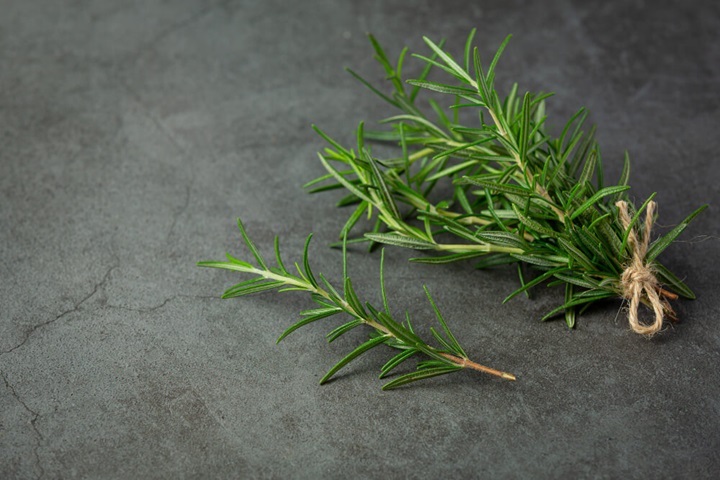
The fast-growing rosemary bush is not only useful in the kitchen but also acts as a natural wasp repellent.
The bush’s pine-like aroma and attractive flowers make it a plant that has many benefits as well as enhancing your garden aesthetics while keeping the air clear of wasps.
11. Thyme
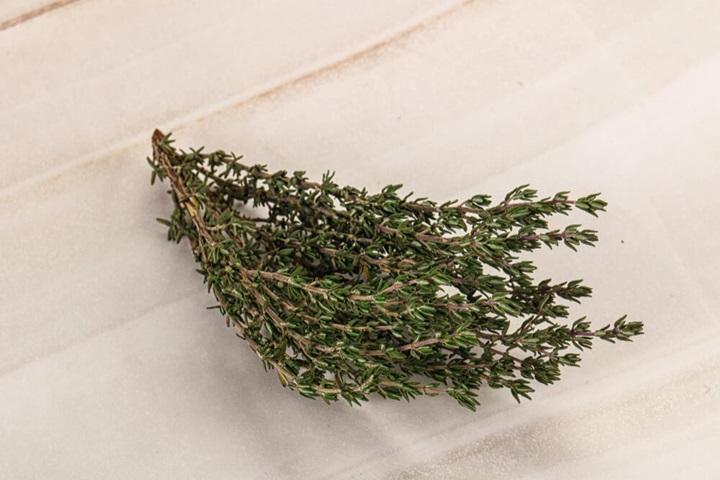
Thyme is celebrated not only for its culinary uses but also for its role in repelling wasps.
Its small, decorative flowers and aromatic leaves work together to create a physical barrier against wasps, making it a perfect addition to garden edges and pathways.
12. Pennyroyal

Similar to mint, pennyroyal emits a strong minty scent that is unbearable to wasps and many other insects.
This plant is particularly effective when its leaves are crushed, releasing the potent oils that repel pests. With its ability to thrive in various conditions, pennyroyal is a versatile addition to any wasp-proof garden.
13. Catnip
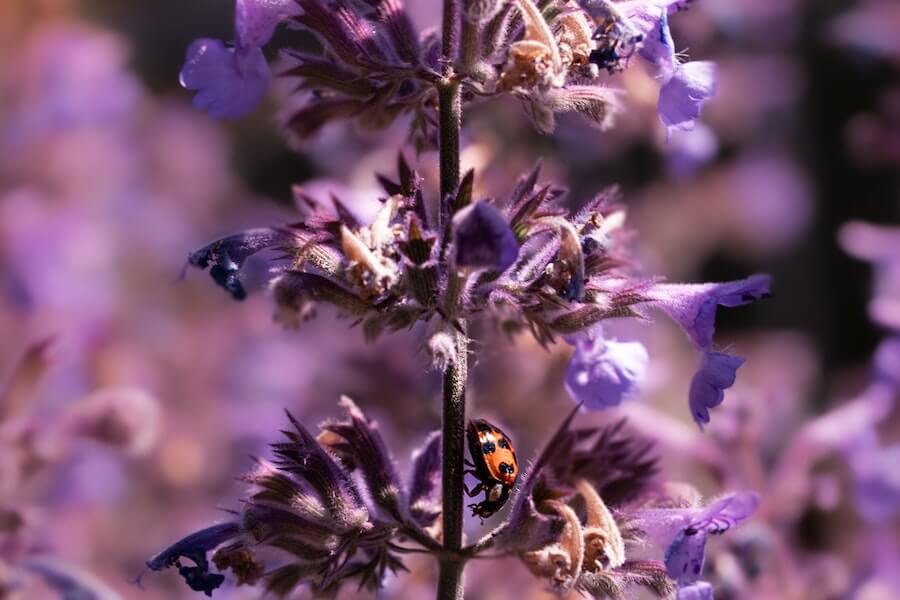
While catnip is famously known for attracting cats, it is equally effective in repelling wasps due to its strong aromatic properties.
Planting catnip around seating areas can create a fragrant, protective buffer that improves the garden’s appeal while keeping wasps at a distance.
Are cats causing a problem in your garden too? Learn about these plants to deter cats.
14. Citronella
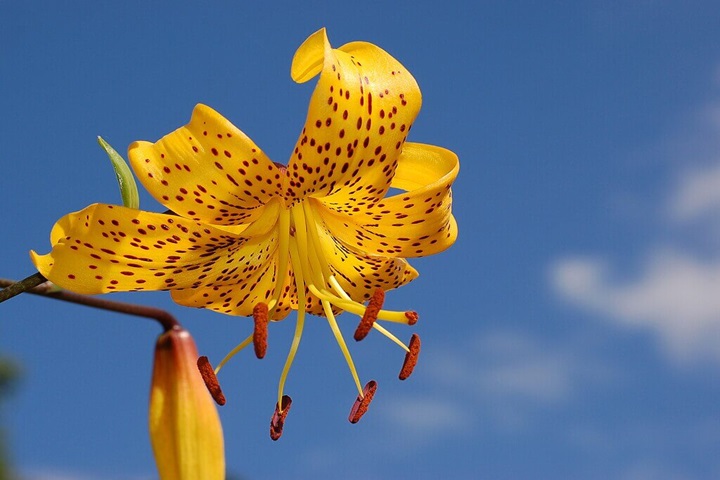
Most commonly recognised in its processed form in candles and oils, citronella plant is an effective natural insect repellent.
The strong lemon scent of its leaves makes it an excellent choice for planting around patios and decks to maintain a wasp-free zone.
15. Fennel
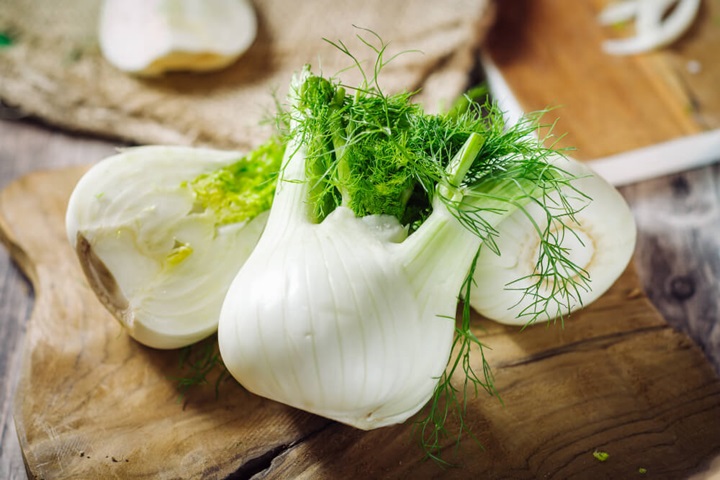
With its yellow blooms and feathery leaves, fennel is as visually appealing as it is functional in repelling wasps.
Its robust aroma is a deterrent to wasps, making it a fitting choice for planting in your garden.
Integrating Repellent Plants Into Your Garden
Incorporating wasp repellent plants into your garden requires strategic thinking to maximize their effectiveness. Here are the best ways in which you can integrate these plants to ensure wasps steer clear of your outdoor spaces.
- Placement: The key to using plants that deter wasps effectively lies in where they are positioned. Place these plants throughout your garden rather than clustering them in a single area. This prevents wasps from simply avoiding one zone and infesting others. Scatter these plants in flower beds, along edges, and near the garden seating areas to create a naturally protective barrier.
- Focus on High-Activity Areas: Areas of frequent activity such as patios, playgrounds, or dining spaces benefit greatly from being surrounded by plants that wasps hate. Consider planting citronella, lemongrass, and mint in pots and planters around these areas to enjoy meals and relaxation time without the buzz and bother of wasps.
- Vertical Spaces: Don’t overlook vertical spaces—hanging baskets, window boxes, and even wall planters can be excellent places to grow wasp-repellent herbs and flowers. These not only add more beauty to your garden space but also act as elevated barriers, keeping wasps away from common gathering areas.
- Minimise Attractions: Avoid leaving out food items, especially sweets, which can attract wasps. Always cover food and drinks outdoors, and consider using drink covers or straws to prevent wasps from diving into your drinks.
- Cleanliness: Regularly dispose of fallen fruit and rotting wood, both of which are attractive to wasps for nesting and feeding. Keeping your garden clean reduces the chances of wasps wanting to visit.
- Fragrance: Be mindful of the fragrances you wear outdoors. Scented lotions, perfumes, and even aftershaves can attract wasps. Switch it up for unscented products when planning to spend time in the garden.
In conclusion, each of these plants offers a natural way to improve your garden’s beauty and functionality while keeping it free from wasps. By incorporating a variety of these plants that repel wasps, you can create a multi-sensory barrier that effectively maintains your outdoor spaces as peaceful, enjoyable areas. Whether you’re relaxing on a garden bench or outdoor teak dining furniture, these plants add both charm and a practical deterrent against unwelcome wasps.
Want to keep wasps away but attract bees? Try these bee friendly plants.
FAQs
To create a wasp-resistant patio garden, add plants with aromas that wasps find repulsive into your patio design. Consider using plants suggested in this list, including tumbling ivy and red-bloomed scented leaf geraniums, which are highly effective, in hanging baskets and wall top planters. Additionally, aromatic herbs such as thyme, basil, and mint are excellent for forming a natural barrier when lined up around the perimeter of your patio.
Wasps are repelled by certain strong scents, beyond just those emitted by wasp-repellent plants like marigolds, geraniums, and mint. Such strong, effective aromas include citronella, as well as scents that can often be found in the kitchen such as various citrus scents, pepper, and cinnamon.
Sources
Osterloff, E., (2018) What do wasps do? National History Museum. [online] Available at: https://www.nhm.ac.uk/discover/what-do-wasps-do.html [accessed 10/03/2025]
Holland & Barrett. (2021) Lavender oil: Benefits, uses and dosage. [online] Available at: https://www.hollandandbarrett.com/the-health-hub/natural-beauty/aromatherapy/lavender-essential-oil-benefits-uses/ [accessed 10/03/2025]
