

Poisonous Garden Plants: 25 Dangerous Plants in UK Gardens To Watch Out For

Share

Beware the beauty of your backyard! While gardens offer tranquility and beauty, some plants are as dangerous as they are delightful.
Nature is a complex thing: it can provide so much beauty, and yet, behind it all can hide something poisonous, and this can even be translated over to your garden. In this article, we will look at the most popular poisonous garden plants that you may (or may not) have come across; from common backyard varieties to more unassuming, unsuspected wildflowers, we’ll discover how to recognise hazardous plants, handle accidental exposure, and safeguard your loved ones and pets from them.
Key Points:
- Identify common poisonous plants found in UK gardens.
- Learn immediate steps to take if you or a pet are exposed to the toxicity of these plants.
- Understand symptoms of plant poisoning for quick recognition.
- Get tips on safely handling and removing toxic plants.
- Find out how to prevent accidental plant poisonings at home.
- General Safety Tips
- Recognising Hazardous Plants
- 1. Lily of the Valley
- 2. Castor Oil Plant
- 3. Angel’s Trumpet
- 4. Foxglove
- 5. Daffodil
- 6. Autumn Crocus
- 7. Yellow Dock
- 8. Oleander
- 9. Iris
- 10. English Yew
- 11. Wisteria
- 12. Wild Parsnip
- 13. Hydrangea
- 14. Mistletoe & Giant Hogweed
- 15. Jimson Weed
- 16. Lords-and-ladies (Arum maculatum)
- 17. Deadly Nightshade (Atropa belladonna)
- 18. Stinging Nettle
- 19. Cotoneaster
- 20. Lantana (Lantana camara)
- 21. Hemlock
- 22. Monkshood (Aconitum napellus)
- 23. Rhododendron
- 24. Chinese Lanterns (Physalis alkekengi)
- 25. Night Blooming Jasmine
- Emergency Response to Poisoning
- Responding to Pet Poisoning
- FAQs
- Sources
General Safety Tips
- Avoid eating any non-food plants.
- Educate children on the dangers of playing with or eating plant material.
- Always wear gloves for gardening tasks to protect your skin.
- Keep plant debris out of reach from pets and livestock.
- Look for toxicity warnings on plant labels.
Recognising Hazardous Plants
There are many poisonous garden plants for you to be aware of. There is actually a place in the UK, known as the ‘Poison Garden’ (The Alnwick Garden), and you may even find some of the plants discussed in this article in that very garden too.
With that being said, let’s look at the most popular ones that you will likely come across at some point, either in your garden, or in another part of nature.
1. Lily of the Valley

Don’t be deceived by its charming fragrance; Lily of the Valley is one of the more treacherous garden poisonous plants. It contains cardiac glycosides, which can cause symptoms ranging from dizziness and vomiting to severe skin rashes.
2. Castor Oil Plant
Despite its common use in remedies, the castor oil plant contains a deadly secret. As a poisonous garden plant, the seeds are extremely toxic and contain ricin, a potent toxin that can be fatal if ingested, even in small quantities. This plant is a stark reminder of the lurking dangers in beautiful foliage.
3. Angel’s Trumpet

Beautiful yet deadly, Angel’s Trumpet belongs to the nightshade family, making it a recognisable poisonous garden plant.
Every part of this plant is toxic, posing a threat to both humans and animals. Its deceptive beauty highlights the need to display caution, so watch out if your children or dogs are lurking near to it.
If you or someone else has been exposed to a dangerous plant in the UK, speak to your GP (or vet for pets) immediately, so as to prevent serious health issues.
- Remove any plant parts from the mouth and wash the area thoroughly.
- Avoid inducing vomiting unless directed by a medical professional.
- Seek medical help immediately, bringing a sample of the plant if possible.
4. Foxglove

Foxglove’s vibrant bells may catch the eye, but they contain digitalis, a powerful chemical used in heart medication.
Accidental ingestion can mimic an overdose of heart medication, leading to potentially life-threatening conditions.
5. Daffodil
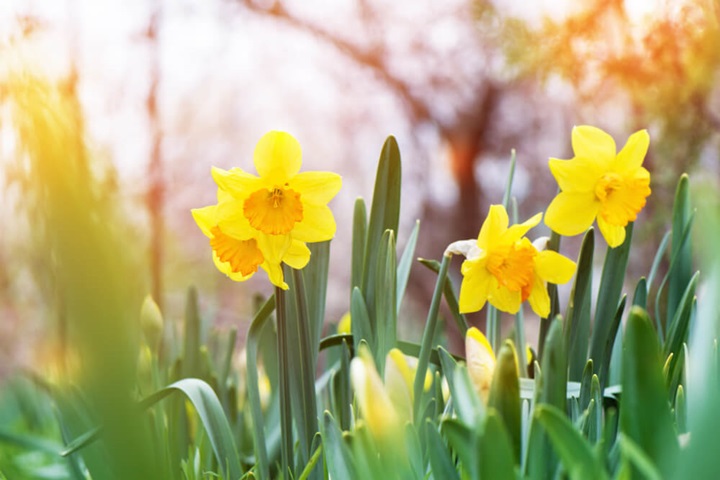
The cheerful daffodil is a common sight, but it’s bulbs are highly toxic.
Dogs particularly may suffer from severe symptoms like vomiting, diarrhea, and even cardiac arrest if they dig up and chew on the bulbs.
6. Autumn Crocus

Known also as meadow saffron, the Autumn Crocus is appealing due to its minimal amount of care requirements.
However, this plant is highly toxic, therefore making it onto this list of poisonous garden plants. Ingesting any part of an Autumn Crocus can lead to severe symptoms ranging from mouth burning sensations to serious gastrointestinal distress.
7. Yellow Dock
While recognised for its medicinal properties, Yellow Dock should be handled with extreme care. Its raw form is particularly dangerous, causing significant respiratory and cardiac issues.
This poisonous garden plant is also a risk to dogs, hence why you need to be extra careful, especially if you have purchased this plant, and where you place it in the garden.
8. Oleander
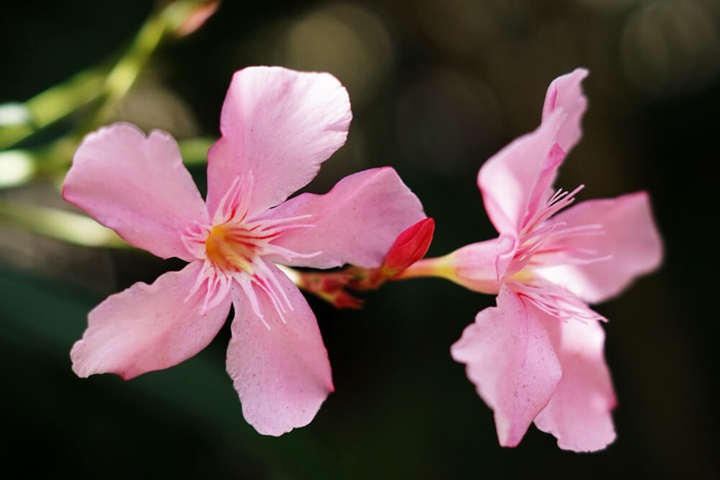
One of the most dangerous and poisonous garden plants to be found in the UK, Oleander is stunning but deadly. Ingesting even just a small amount of this plant can be lethal.
It’s known for causing symptoms like drowsiness, slowed heart rate, and even tremors, making it one of the more perilous plants in domestic gardens.
9. Iris

The Iris, while popular in many UK gardens for its vibrant blooms, also possesses life threatening risks. Its roots and leaves can cause severe skin irritation, so it is advisable to wear protective clothing when handling this plant.
10. English Yew

Despite its ornamental appeal, the English Yew is incredibly poisonous. The seeds are particularly toxic, capable of causing convulsions or even heart failure in severe cases.
11. Wisteria

A plant that often appears in picturesque garden photos, Wisteria makes it onto this list of poisonous garden plants because their seed pods contain toxins which are harmful to pets.
Pet owners should monitor animals in gardens or fields where Wisteria grows to prevent accidental ingestion.
12. Wild Parsnip

Not to be mistaken with the kind of parsnips that you may grow in your allotment and add into a stew, this plant, often found along roadsides, contains a sap that can cause severe skin rashes and blisters if you mistakenly touch them.
Its unassuming nature makes it particularly hazardous for unwary gardeners and passersby.
13. Hydrangea

Though not typically fatal, Hydrangea plants contain cyanide which can pose health risks if consumed in large quantities.
This highlights the importance of recognising what parts of popular plants are safe and what parts are not.
14. Mistletoe & Giant Hogweed
Mistletoe, often used in holiday decorations, can cause serious health issues if ingested, affecting the heart rate and causing hallucinogenic effects.
Similarly, Giant Hogweed’s sap makes the skin extremely sensitive to sunlight, leading to painful sunburns and blisters.
15. Jimson Weed
Recognisable by its occasionally purple-tinged green leaves, Jimson Weed is highly toxic.
While historically used for medical purposes, such as treating asthma, it can cause severe nausea, vomiting, and hallucinations if ingested or inhaled.
16. Lords-and-ladies (Arum maculatum)
Found in woodlands and along hedgerows, Lords-and-ladies, or cuckoo pint, features distinctive large, arrow-shaped leaves with purple spots. The plant is dangerously deceptive with its colorful berries that range from green to red.
Handling this plant requires caution as all parts can cause severe irritation and allergic reactions, with symptoms like throat swelling and breathing difficulties.
17. Deadly Nightshade (Atropa belladonna)
Often found in the central, eastern, and southern UK, Deadly Nightshade lives up to its name. It contains tropane alkaloids which cause symptoms such as dilated pupils, balance issues, and in severe cases, hallucinations and convulsions.
The berries are particularly toxic, potentially leading to fatal outcomes.
18. Stinging Nettle

Although not deadly, Stinging Nettles can still cause immediate discomfort. Its hairs inject formic acid, causing a painful and itchy rash upon contact.
This plant reminds us that not all garden dangers are life-threatening but can still cause significant irritation.
19. Cotoneaster

This plant attracts birds with its bright berries, but it’s extremely poisonous to humans and pets.
Native to Europe and parts of Asia, Cotoneaster should be treated with care to prevent eating the enticing berries.
20. Lantana (Lantana camara)

With its bright colours, Lantana is visually appealing but highly toxic, especially to young children and pets. Its attractiveness can be a particular hazard, demonstrating the need for vigilance and care in gardens that children may play around in.
21. Hemlock
Found often along riverbanks and ditches, Hemlock is notorious for its lethal properties.
It contains alkaloids such as coniine, which can paralyse the respiratory system and be fatal even in small quantities.
22. Monkshood (Aconitum napellus)

Known as one of the most dangerous plants in the UK, Monkshood boasts stunning hooded blue flowers. Despite its beauty, every part of this plant is highly toxic, especially the roots.
Symptoms of poisoning can include stomach pain, dizziness, and severe cardiac complications. The plant’s toxins can even penetrate the skin via cuts, so wearing gloves during garden work is practical to keep yourself safe.
23. Rhododendron

While the Rhododendron is renowned for its vibrant blooms, it is also capable of producing “mad honey,” which contains toxins that can cause heart issues, confusion, and vomiting.
Awareness of these potential dangers is important for anyone who cultivates or enjoys these plants.
24. Chinese Lanterns (Physalis alkekengi)

Chinese Lanterns are another plant that carries hidden risks. While their colorful pods are often used in decorative arrangements, their leaves and immature fruit are toxic and should be handled with care to avoid accidental poisoning.
25. Night Blooming Jasmine

This plant’s beauty hides its danger, especially to pets. It can cause severe reactions such as vomiting and seizures if ingested.
Pet owners should be vigilant about keeping this plant out of reach from their animals.
Emergency Response to Poisoning
If you suspect that a person has ingested a part of a poisonous plant, it’s crucial to act quickly:
- Seek immediate medical help by visiting the nearest emergency department.
- Bring a sample of the plant, including leaves, flowers, fruits, and stems, to assist in accurate identification and treatment.
- Remain calm and avoid inducing vomiting unless specifically advised by a healthcare professional.
Responding to Pet Poisoning
Pets often explore with their mouths, which can lead to accidental ingestions of garden poisonous plants:
- If you suspect your pet has eaten a toxic plant, contact your veterinarian immediately.
- Do not wait for symptoms to appear; prompt action can significantly improve the outcome for your pet.
In conclusion, being aware of these poisonous garden plants can help you to be more aware and take necessary precautions if you see these plants in your garden or nearby area. By learning how to identify and handle these dangerous garden plants, you can enjoy your outdoor space with confidence. Always take care when planting, pruning, or exploring. A little awareness goes a long way in keeping your garden safe, beautiful, and free from harm.
Further reading:
- Worried about young children exploring your garden? Check out our guide on toddler and child-friendly garden ideas for simple ways to create a safe, fun, and toxic-plant-free space for your little ones.
- Not sure where to start with safer planting? Take the guesswork out of your layout using these handy garden planning apps.
FAQs
If you suspect contact with a poisonous plant, wash the affected area with soap and water immediately. Avoid touching your eyes and mouth, and consider contacting a healthcare provider for advice, especially if a reaction develops.
Wear gloves, long sleeves, and pants to minimize skin exposure. Familiarize yourself with the appearance of hazardous plants and keep a safe distance when handling unknown vegetation.
Sources
The Alnwick Garden. (2000) Homepage. [online] Available at: https://www.alnwickgarden.com/ [accessed 10/04/2025]
Borke, J., (2023) Cardiac glycoside overdose. Medlineplus. [online] Available at: https://medlineplus.gov/ency/article/002581.htm [accessed 10/04/2025]
The Editors of Encyclopedia Britannica. (2015) Digitalis. [online] Available at: https://www.britannica.com/science/digitalis [accessed 10/04/2025]
Ullah, S., Khan, S. U., Saleh, T. A., & Fahad, S. (2018). Mad honey: uses, intoxicating/poisoning effects, diagnosis, and treatment. RSC advances, 8(33), 18635–18646. [online] Available at: https://doi.org/10.1039/c8ra01924j [accessed 10/04/2025]
