


Share

Summer is here! Check out our guide on how to properly mow the lawn and ensure that the grass always stays green on your side.
A well-maintained lawn serves as a foundation for both leisure and aesthetics in any garden. Whilst many homeowners may think that mowing a lawn is a simple task, there are still several components to consider that will affect the shape and direction of the lawn. In this article, we will explain how to mow a lawn effectively, from preparing your space and selecting the right equipment, to achieving the perfect cut and for you to enjoy the gardening lifestyle more. Only by following our gardening tips can you efficiently cut grass to assist all manner of garden benches.
Quick Facts About How To Mow The Lawn
- Mowing the lawn isn’t just about keeping it short; it’s crucial for maintaining healthy turf. Cutting grass should occur weekly or fortnightly from March to October.
- During summer’s dry spells, it’s wise to pause, as the grass needs less frequent cuts. In milder winters, occasional mowing can help the lawn stay robust.
- For new lawns, allow blades to reach at least 5cm (2in) before the first mow, using the highest mower setting to protect young turf.
- You should mow the lawn ideally between 8am and 8pm on weekdays, and between 9am and 8pm on weekends or public holidays in the UK.
1. Getting Started
Understanding how to mow a lawn effectively starts with timing and technique. The growth rate of your lawn and the moisture level of the soil are key indicators of when to mow. Ensure the grass is dry to avoid clumping and soil compaction. A clean and sharp blade is crucial for a good cut, enhancing the health and appearance of your lawn. Regular maintenance of your mower, including servicing at the start of the season, is essential for the best performance.
2. Essential Equipment
Before you mow the lawn, ensure you have the right tools:
- A dependable lawn mower suited to your garden’s size and grass type.
- Sturdy shoes for safety.
- Ear defenders if you’re using a loud mower.
- A Residual Current Device (RCD) for electric mowers to prevent electrical accidents.
- A garden rake to collect clippings and a long-handled edging shear for neat borders.
Whether you choose a rotary, hover, or cylinder mower, ensure the blades are sharp for the best way to cut grass. This prevents damage to the grass blades and ensures a fine, even cut, especially on ornamental lawns.
3. Preparing the Lawn
Proper preparation can make a significant difference in the mowing experience and outcome. Clear the lawn of furniture, toys, and debris that could obstruct your path or damage the mower. Checking the grass and soil conditions before you start is crucial; avoid mowing when the lawn is frosty or overly wet, as cutting wet grass can harm the grass and compact the soil.
4. Adjusting Mower Blades
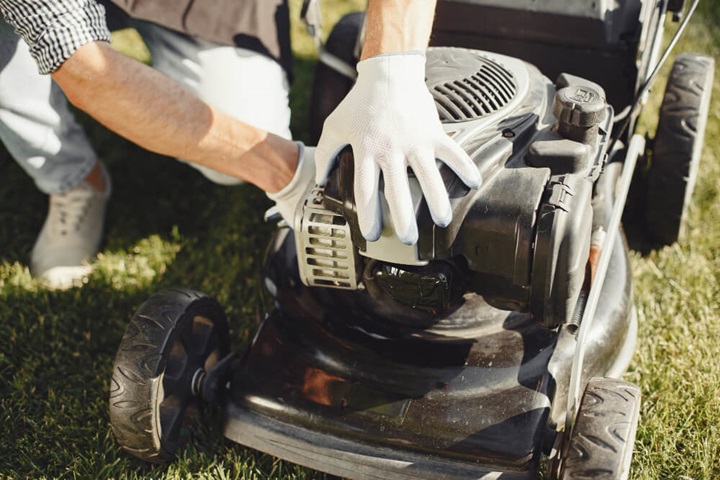
When preparing to mow the lawn, it’s vital to adjust the mower blades to the correct height. Initially, set the mower to its highest setting, especially for the first cut of the year to avoid stressing the grass.
Over the season, maintain grass height at approximately 4cm (1½in) during spring, autumn, and winter. In summer, lower the blade to about 2.5cm (1in) to help the lawn withstand heat and drought.
For ornamental or very fine lawns, aim for even shorter heights of 6–13mm (¼–½in). This practice ensures you’re cutting grass effectively, promoting healthier and denser growth.
5. Mowing Technique
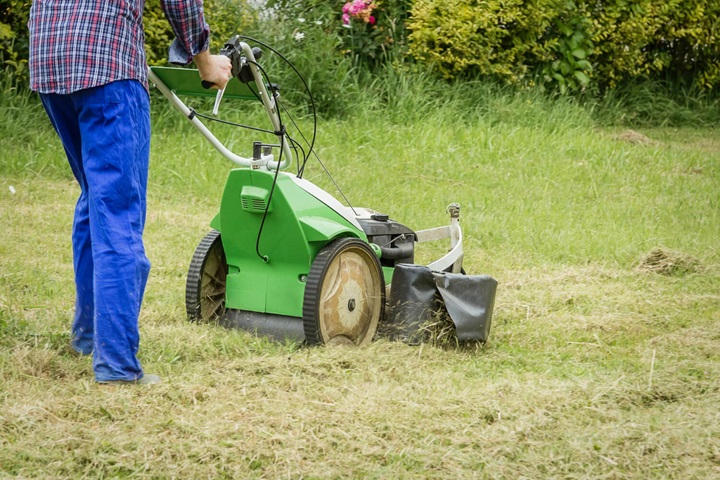
Proper mowing technique is essential for a neat and healthy lawn. Start by mowing the edges of the lawn to define your area and provide clear borders. When mowing the main area, use straight, overlapping lines to avoid missed patches, especially on irregularly shaped lawns. Start with a line across the middle and proceed to mow each side separately. This methodical approach helps in achieving the best way to cut grass, ensuring uniformity and precision.
6. Handling Clippings
How to mow a lawn also involves managing the grass clippings. Regularly empty the clippings box or use a rake to gather them. This practice not only keeps your lawn looking tidy but also prevents the development of fungal diseases.
In dry conditions, consider leaving short clippings (less than 1cm) on the lawn to help retain moisture. Additionally, adding grass clippings to your compost heap can benefit your garden, though be cautious if you’ve used weedkillers, following label guidelines for disposal.
7. Lawn Edging and Cleanup
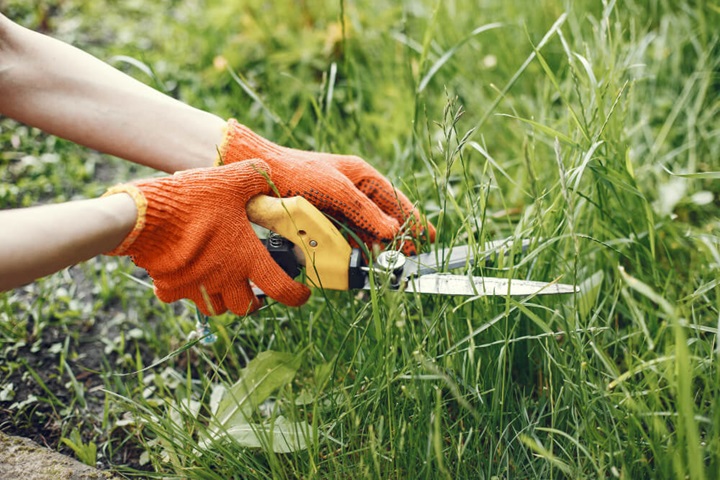
After mowing the lawn, tidy up the edges using long-handled shears. This step improves the lawn’s appearance and prevents overgrowth onto pathways or flower beds. A final pass around the lawn’s perimeter with the mower can clean up any residual marks, leaving a sharp, finished look.
8. Seasonal Mowing Patterns
Adjust your mowing frequency with the changing seasons. Cut fortnightly in early spring when growth is slower, then switch to weekly as temperatures rise and growth accelerates. Always mow on dry days to avoid soil compaction and clumping of wet grass, which can smother and damage the turf.
9. Creative Mowing
Mowing the lawn offers an opportunity to get creative. Experiment with different mowing heights and patterns, such as traditional stripes achieved with a roller-equipped mower. For those interested in promoting biodiversity, leaving sections of grass unmowed can create habitats beneficial for wildlife.
Discover recipes for homemade weed killers that keep your grass healthy and weed-free.
Considering a Ride-On Mower

For large lawns, a ride-on mower might be a worthwhile investment to save time and effort. Choose a model that suits the size of your lawn and the terrain’s complexity. This can drastically reduce the time spent mowing and make the task more enjoyable.
Looking to add a new dimension to your garden? Explore these garden mirror ideas that can transform and complement your beautifully mowed lawn.
Mower Care: Sharpen Your Mower Blades
By keeping your mower properly maintained, your lawn will look its best. One of the most crucial aspects of mower care is keeping the blades sharp. Dull blades can tear at the grass, causing damage that manifests as discoloured, unhealthy patches. Here’s how to keep your mower in top condition to ensure you’re always cutting grass effectively.
Why Sharp Blades Matter
Sharp mower blades are essential for a cleanly mowed lawn. They cut the grass neatly rather than tearing it, which helps prevent disease and reduces stress on the grass. Torn grass not only looks unsightly but can also make your lawn more susceptible to pests and diseases. If you notice uneven grass height or that you need to pass over the same area multiple times, it might be time to check your blades.
When to Sharpen Mower Blades
It’s advisable to sharpen mower blades after every 25 hours of use. This frequency will depend on how often and how long you mow the lawn. Regular checks will help you determine if the blades are dull and need attention, ensuring the best way to cut grass.
How to Sharpen Your Mower Blades
- Safety First: Disconnect the mower’s power supply to ensure it doesn’t start accidentally.
- Access the Blades: Carefully tilt the mower on its side and inspect the blades for dullness or damage. Replace the blades if they are nicked or bent.
Sharpening Method:
- By Hand: Use a metal file to sharpen the blades at a 45-degree angle, moving the file in one direction from the inside edge outward.
- With a Grinder: Secure the blade in a vise and use an angle grinder or bench grinder, moving it slowly back and forth along the blade’s edge.
- Aim for the sharpness of a butter knife; overly sharp blades will dull quicker under normal use.
Checking Blade Balance
After sharpening, it’s crucial to check the balance of your blades. An unbalanced blade can cause your mower to vibrate excessively and lead to an uneven cut. Hang the blade on a nail or a screwdriver. If one side dips, remove a little material from that side to even it out.
For other guides on sharpening your garden tools, learn how to sharpen secateurs effectively with our easy-to-follow guide.
In conclusion, maintaining a well-manicured lawn involves more than just regular mowing. Adjusting mower blades to the correct height, employing the right mowing techniques, and caring for your mower are all critical steps. By sharpening blades regularly, ensuring they are balanced, and using the appropriate mowing patterns, you can improve the health and appearance of your lawn, making it a vibrant and enjoyable part of your outdoor space.
For more lawn mower advice, check out these recommended mowers for the best performance in your garden.
FAQs
In the UK, you can legally mow your lawn from 8:00 AM to 7:00 PM on weekdays, from 8:00 AM to 1:00 PM on Saturdays, and it is generally advised not to mow on Sundays to avoid noise complaints.
Yes, mowing back and forth in straight lines is a common and effective method. This technique ensures even cutting and helps to avoid missing patches of grass.
It is generally recommended to mow first and then edge. Mowing first gives you a clearer view of the edges, making it easier to create clean lines and achieve a more precise finish when you edge.
Sources
Andrews, S., (2024) Best lawn mower 2024: The top cordless, electric and manual mowers, tested and reviewed. Expert Reviews. [online] Available at: https://www.expertreviews.co.uk/home-appliances/1405733/best-lawn-mower-electric-cordless-petrol-and-manual [accessed 06/06/2024]

Anna is the marketing and office manager for Garden Benches – a premium supplier of high-quality wooden benches and other outdoor furniture.
