

How to Clean Teak Wood Indoor Furniture: Expert Care Guide

Share

Want to know how to keep your indoor teak furniture looking timeless with its aesthetic charm? Discover how simple steps can maintain the allure of your indoor teak furniture.
Teak wood, a popular wood known for its aesthetic qualities in outdoor and indoor furniture, requires specific care to preserve its beauty. In this article, we will thoroughly uncover the process on how to clean teak wood indoor furniture, with expert processes on cleaning, maintaining, and protecting teak indoor furniture. From routine cleaning to stain removal and colour preservation, learn how to keep your teak furnishings looking their best with practical, easy-to-follow advice.
Key Points:
- Understand the best cleaning practices for teak indoor furniture.
- Learn effective methods for removing stains and preserving the teak wood’s natural colour.
- Discover the dos and don’ts to avoid damaging your teak furniture.
- Find out how often to clean and the best products to use for optimal care.
- Tips on applying sealants and oils to improve and protect the wood’s surface.
Why Teak is the Perfect Choice for Indoor Furniture
Teak wood’s enduring popularity in furniture design is no accident. Renowned for its strength and longevity, teak is a favourite among mid-century modern enthusiasts and those who value enduring quality. Here’s why teak stands out as the ideal material for indoor furnishings:
- Durability: As a hardwood, teak is naturally tough, resisting scratches and dents that can affect other woods. This makes it perfect for indoor and outdoor furniture that sees daily use.
- Natural Oils: Teak’s oils act as built-in protectors against water damage and pests, increasing its durability even more.
- Warm Tones: The wood’s golden-brown colour provides a warm, inviting look that complements a wide range of interior decors, from traditional to contemporary.
- Sophistication: The clean, simple lines of teak furniture lend a sophisticated air that’s as appealing in today’s homes as it was in the past.
Investing in teak means acquiring furniture that can last for generations, provided they are cared for properly.
A Step-by-Step Guide On How To Clean Indoor Teak Furniture
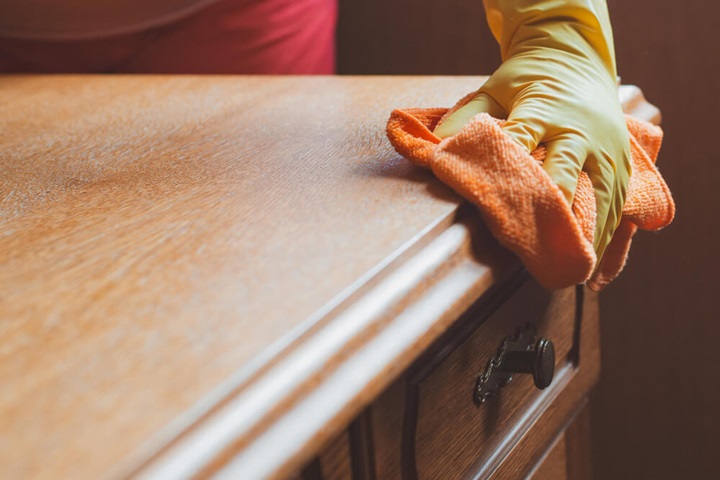
Maintaining the beauty of your teak indoor furniture involves regular cleaning and care. Here’s how to ensure your teak pieces remain stunning:
- Initial Cleaning: If your teak furniture is new, give it a week or two before you clean it thoroughly, allowing the wood to acclimate to your home.
- Preparation: Lay down a plastic sheet or use another type of floor covering to catch any drips or spills if you’re cleaning indoors. Alternatively, move the furniture outside for cleaning to avoid messes.
- Dusting: Use a soft-bristle brush or a clean cloth to gently remove any surface dust or debris. Check for any signs of wear or surface marks.
- Washing: With a sponge and mild soapy water, carefully clean the furniture’s surface, paying special attention to joints and legs. This step helps remove accumulated dirt and grime.
- Drying: Allow the furniture to dry completely, which might take longer depending on the humidity and ventilation in your space. Consider moving the furniture outside to speed up drying if weather and space permit.
- Sanding and Protecting: Once dry, lightly sand the wood with fine-grit sandpaper to smooth out any rough spots. After sanding, apply a teak protector to help the wood’s natural colour and shield it from stains and spillages.
How To Care For Teak Indoor Furniture
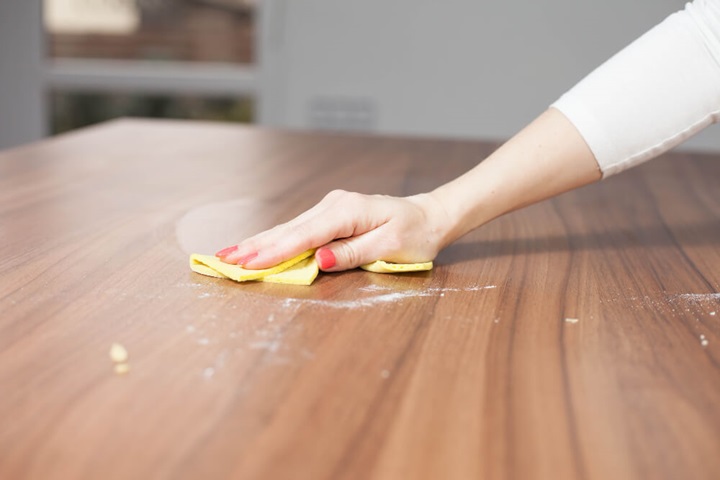
Indoor teak furniture generally requires more frequent cleaning than its outdoor counterparts due them being more likely to be used.
Dusting once a week with a soft cloth or brush is recommended, but you may need to do it more often during high-pollen seasons or if you frequently keep windows open.
Choosing the Right Cleaner
Opt for a water-based teak cleaner, which is effective at removing dirt and stains without harsh chemicals. This type of cleaner not only cleans but also helps restore the natural colour of the teak.
Removing Stains
Teak is prone to watermarks and stains, especially on dining tables. A simple home remedy involves using toothpaste. Apply a small amount to the stained area, then gently rub with a toothbrush in circular motions to lift the stain. Always test this method on a less visible area first.
Protection Against Heavy Stains
For deeper stains, lightly sand the affected area with fine-grit sandpaper. This is best done on raw teak to avoid damage. Once sanded, seal the wood to protect its colour and finish.
Preserving Colour
To keep your teak’s colour vibrant, consider using a teak sealant after exposing the furniture to sunlight for a couple of weeks to open the grain. Apply the sealant and an additional clear coat if desired for extra sheen and protection.
Applying Teak Sealant
Teak wood furniture thrives under careful attention. Before applying any sealant, it’s advisable to expose the wood to sunlight for about two weeks to open up the grain, ensuring the sealant adheres properly. This can be done by placing the furniture near a window that gets ample sunlight if an outdoor space isn’t available.
After this period, apply a teak sealant evenly using a lint-free cloth. Follow up with a second coat to achieve an optimum finish, ensuring each layer is dry before proceeding.
Add a Clear Coat
For added sheen and to further protect the surface, apply a clear coat specially designed for teak.
- Start by lightly sanding the furniture to smooth out any imperfections, then apply the first coat of clear varnish.
- Wait for it to dry completely before adding a second coat. This not only helps the appearance but also adds a layer of protection against wear and tear.
Top Tips for Teak Furniture Care
Maintaining teak furniture isn’t just about cleaning; it’s about preserving and elevating its natural beauty. Here are some key tips on how to clean teak wood indoor furniture effectively:
| Task | Application |
| Regular Dusting | Make it a routine to dust your teak furniture regularly. Use a soft cloth or microfiber duster to gently remove surface dust. If the surface feels sticky or grimy, lightly dampen the cloth, but avoid leaving moisture on the wood. |
| Avoid Harsh Chemicals | Harsh chemicals can strip the natural oils that protect teak wood. Stick to mild dish soap and water for regular cleaning to keep the wood in top condition without damaging its finish. |
| Periodic Oiling | Oiling your teak furniture can significantly enhance its natural beauty and protect it from drying out. For high-use pieces like dining tables, oil every 6 to 12 months; for less frequently used items like shelves, every 12 to 18 months is sufficient. Be cautious not to over-oil, as excessive oil can accumulate and create a sticky residue. |
| Use Coasters | Teak is naturally resistant to water, but it’s still prone to water rings from spills. Always use coasters to protect the surface and maintain its pristine condition. |
| Manage Temperature and Humidity | Extreme temperatures and fluctuations can harm teak wood, causing it to expand and contract, which may lead to cracks or warping. Keep your furniture away from heating vents and drafty windows to avoid these issues. |
| Embrace the Patina | Minor scratches and wear can add character to teak furniture, but if you prefer a flawless look, simple DIY fixes like light sanding can remove shallow scratches. |
What to Avoid With Teak Furniture
Ensuring the longevity of your teak furniture also means knowing what to avoid:
- High-pressure water can damage the wood, causing splintering and discolouration.
- Steel or brass brushes can scratch and damage the surface.
Choosing the Right Oil for Your Teak Furniture
When selecting an oil for your teak furniture, opt for products that contain natural oils like Linseed or Tung oil, which penetrate deeply and provide a durable finish without the drawbacks of silicone or other additives.
- Teak Oil: Great for improving the wood’s colour; however, it’s better suited for outdoor use.
- Danish Oil: Offers a water-resistant finish ideal for indoor use but requires careful application.
- Hardwax Oil: Delivers a matte finish and excellent stain resistance but can be more expensive.
In conclusion, maintaining teak indoor furniture requires careful time, effort, and a little bit of patience to ensure it can last as long as possible especially in high traffic environments. By following the advice laid out in this article by our team of experts, you too can also embrace the unique characteristics of teak, such as its natural resistance to wear and water, while protecting it from extreme conditions to ensure it remains a timeless addition to your home décor.
Learn more about how to upkeep your teak furniture in our guides available on our blog:
FAQs
Yes, you can use a solution of white vinegar and water to clean teak wood furniture. Mix equal parts vinegar and water and apply it with a soft cloth. This method can help remove light stains and restore the wood’s natural appearance. Be sure to rinse the furniture with a damp cloth and dry it thoroughly afterwards.
It is not recommended to use a steam cleaner on teak wood furniture as the intense heat and moisture can damage the wood’s integrity, causing it to warp or split.
To protect teak furniture, keep it away from direct sunlight and heating vents to prevent drying and fading. Use coasters and placemats to prevent marks from hot dishes or water rings. Regular dusting can also help maintain its appearance and prevent build-up of grime.
Sources
Wright, B., (2024) What is Linseed Oil Used for? Priory Polishes. [online] Available at: https://priorypolishes.co.uk/what-is-linseed-oil-used-for/ [accessed 06/02/2025]
Real Milk Paint. (2017) Pure Tung Oil: A Beginner’s Guide. [online] Available at https://www.realmilkpaint.com/blog/tips/beginners-guide-pure-tung-oil/ [accessed 06/02/2025]
