

How to Weatherproof Outdoor Furniture: Wooden, Rattan, Metal, and More

Share

Knowing how to weatherproof outdoor furniture will keep your garden furniture thriving. Discover how to keep your outdoor spaces stylish and durable all year-round.
UK weather is notoriously unpredictable and can have profound effects on wear and tear of your wood furniture. Whether it’s beating back the rain or shielding them from the sun, weatherproofing your outdoor furniture will aid in protecting its natural beauty. In this article, you will learn everything that there is to know about how to weatherproof outdoor furniture, including garden benches; from the sturdy resilience of metal pieces to the natural charm of wood, we will guide you through the best methods to weatherproof your garden benches and patio sets effectively.
Key Points:
- Identify the best materials for weather-resistant garden furniture.
- Find methods on weatherproofing wood, metal, and synthetic rattan furniture.
- Seasonal maintenance tips to maintain the integrity of your furniture.
- Practical recommendations for cleaning and storing furniture to prevent weather damage.
- Highlight key products and methods for better protection.
- How to Weatherproof Wood Furniture For Outdoors
- How to Weatherproof Rattan Garden Furniture
- 1. Regular Cleaning
- 2. Protect Fabric Components
- 3. Comprehensive Maintenance
- How to Weatherproof Metal Garden Furniture
- 1. Thorough Cleaning and Rust Removal
- 2. Apply Protective Coatings
- 3. Final Protection with Car Wax
- Seasonal Care and Maintenance for Weatherproof Outdoor Furniture
- Spring: Awakening and Refreshing
- Summer: Protection and Usage
- Autumn: Preparing for the Chill
- Winter: Storage and Protection
- Key Takeaways for Each Season
- FAQs
- Sources
How to Weatherproof Wood Furniture For Outdoors
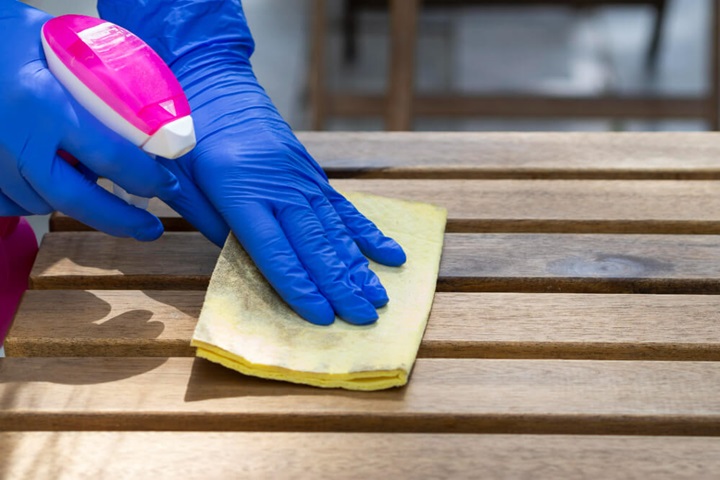
There are a variety of ways in which you can weatherproof outdoor furniture; however, the essentials must be considered for a thorough weatherproofing process.
PLEASE NOTE: the process for weatherproofing wood furniture may not be the same as weatherproofing teak furniture
Remove Dirt and Debris
Before weatherproofing your garden furniture, always remember to start with a clean surface. Use a stiff brush to clear off any accumulated dirt, cobwebs, and moss from your pieces.
This initial cleaning process ensures that your protective treatments adhere properly and last longer, keeping your weatherproof outdoor furniture in top condition.
Sand the Surface
Once clean, sanding your wooden garden furniture is the next critical step. Smoothing out the surface with sandpaper or an orbital sander removes rough patches and prepares the wood for sealing.
Always wear safety goggles and a dust mask during this process to protect yourself from wood particles. This step is vital on how to weatherproof wood furniture for outdoors, as it ensures that the finish and protective coatings apply evenly.
Thorough Cleaning
After sanding, thoroughly clean the furniture using a sponge and warm soapy water. For more thorough cleaning, choose a wood-specific cleaner. For example, hardwood benefits from a biodegradable cleaner that you spray on and rinse off after some time, ensuring deep cleaning without harsh chemicals.
Softwood might require a wood scrub gel for effective dirt removal. Be cautious about using a pressure washer, as it can damage the wood’s integrity.
Learn the differences between hardwood and softwood.
Apply a Protective Treatment
The final step in ensuring your outdoor furniture can withstand the elements is to apply a high-quality protective treatment. Products designed to shield and protect wood will help maintain its colour and prevent water damage, making your garden furniture weather resistant.
It’s advisable to let new wooden furniture sit outside for a couple of weeks before applying any treatments to allow the natural oils to dissipate, which results in a more durable and effective application.
Considering teak for your garden furniture but not sure about its water resistance? Learn if teak is the best water resistant wood…
How to Weatherproof Rattan Garden Furniture

Rattan garden furniture, particularly the synthetic variety, is well-known in the garden industry for its durability and weather resistance, making it an ideal choice for any garden. Here’s how to ensure your rattan furniture stands the test of time:
Regular Cleaning
Regularly clean your rattan furniture to prevent the buildup of dirt and grime, which can degrade its quality over time.
- Start with a handheld vacuum to remove loose dirt, then use a sponge with warm soapy water for a deeper clean.
- For tougher spots, use a soft brush dipped in mild soapy water to gently scrub the surfaces.
- Ensure the furniture is completely dry before covering it or storing it away to avoid mold and mildew growth.
Protect Fabric Components
Weatherproofing extends beyond the rattan itself to include any fabric elements such as cushions.
Protect these by storing them in dry places when not in use, like sheds or cushion boxes that shield them from weather elements.
If the cushions get dirty, particularly from mildew, wash them with cold water and a bit of chlorine bleach, then let them air dry thoroughly before use.
Maintenance
For overall maintenance, occasionally check for any crevices where dirt might gather. An old toothbrush can be helpful in removing stubborn grime.
This keeps your weatherproof outdoor furniture in pristine condition, reducing wear and tear.
How to Weatherproof Metal Garden Furniture

Metal garden furniture is often long-lasting and very robust, especially when made from materials like aluminium or stainless steel, which are inherently more weather resistant.
Thorough Cleaning and Rust Removal
Begin by cleaning the furniture with a sponge and water or a mild pressure washer to remove dirt and debris.
Address rust spots with distilled white vinegar—apply it undiluted to affected areas, then rinse off or scrub gently with a steel scourer to maintain the integrity of the metal.
Apply Protective Coatings
After cleaning, apply a protective layer of oil or grease to prevent future rusting. Of course, there are other cleaning products to use as well, each with their pros and cons. Products like boiled linseed oil are effective in creating a barrier against moisture and oxidation. Others include:
- Teak oil
- Wood preserver
- Woodstain
- Wood paint
- Wood restorer
- Wood varnish
Linseed oil pros and cons:
| Product | Pros | Cons |
| Linseed oil | A good restorer to old wood outdoor furniture | Darkens wood over time Not fully weatherproof Scratches easily |
| Teak oil | Brings out the best natural qualities of teak | Be sure to apply annually Type and grain can impact wood |
| Wood preserver | Protects against UV Prevents wood silvering Natural looking Non toxic to pets | Cheap replicas Apply annually Doesn’t protect furniture against damp |
| Wood stain | Improves natural look of the wood | Offers little protection Needs to be used alongside other products |
| Wood paint | Durable Long lasting | Permanent |
| Wood restorer | Useful for poor conditioned wood Removes layers of grime Removes ingrained debris | Needs to be used with additional wood protectors, finishing oils |
| Wood varnish | Durable Long lasting | Unnatural finish Hard to remove |
Final Protection with Car Wax
A surprising yet effective tip is to finish off the protection process with a layer of car wax. This adds an additional water-resistant layer, enhancing the furniture’s durability and appearance.
Regular reapplication every four to six weeks during peak usage seasons ensures better protection.
Seasonal Care and Maintenance for Weatherproof Outdoor Furniture
Ensuring your garden furniture lasts through the seasons requires regular maintenance tailored to the changing weather conditions. Here’s how to keep your outdoor furniture in prime condition year-round.
Looking to revitalise your outdoor furniture? Learn how to remove paint from wooden furniture.
Spring: Awakening and Refreshing
- Initial Assessment: With the thaw of winter, begin your spring by inspecting your furniture for any weather-related damage. This is crucial for weatherproof outdoor furniture that has braved the elements.
- Deep Cleaning: Spring cleaning isn’t just for your home’s interior. Use this time to thoroughly clean your garden furniture. Employ specialized cleaners such as teak cleaner for wood and mild soap solutions for metals and plastics. For upholstered pieces, an upholstery care kit will address any lingering dirt or mold.
- Repair and Restore: Tend to any minor damage such as chipping paint or loosened joints. This is also the ideal time to apply or reapply protective sealants, ensuring your furniture is ready to face another year.
- Setting Up: Reassemble any stored pieces, check all fastenings, and arrange your furniture. Ensure everything is stable and ready for use, making your outdoor space inviting for the sunny days ahead.
Summer: Protection and Usage
- Sun Protection: Protect your furniture from the harsh sun. Use umbrellas, canopies, or pergolas to prevent UV damage and fading, essential for maintaining weather-resistant garden furniture.
- Usage Care: Regular use can wear down even the toughest materials. Manage how your furniture is used and relocated to minimize stress and wear.
- Light Cleaning: Maintain cleanliness with regular wipe-downs, which help prevent the accumulation of grime and pollutants that can degrade protective coatings.
- Pest Control: Implement strategies like planting pest-repellent flora or maintaining cleanliness to deter pests from nesting in and damaging your furniture.
Autumn: Preparing for the Chill
- Weatherproofing: As temperatures drop and leaves fall, apply fresh protective coatings to shield your furniture from moisture and cold.
- Secure and Cover: High winds and rain can be damaging, so secure your furniture in a sheltered spot or cover it temporarily with a waterproof cover to ensure it stays dry and undamaged.
- Cushion Care: Moisture and mildew are threats in damp conditions. Clean and store cushions in a dry, indoor space to extend their lifespan.
- Garden Tidying: A clean garden area prevents the wind from blowing debris onto your furniture, which can scratch and degrade the finish.
Check out our autumn garden jobs that discuss every item that should be on your itinerary throughout the autumn months.
Winter: Storage and Protection
- Storage Solutions: If possible, store your garden furniture in a dry, covered area. Breathable covers are recommended to prevent condensation and mold growth.
- Snow Management: Heavy snowfall can warp and overload structures. Keep your furniture clear of snow to avoid structural damage.
- In-Winter Checks: Regularly inspect your stored furniture to ensure covers are secure and no moisture has accumulated.
- Planning for Spring: Towards the end of winter, plan for another cycle of cleaning and repair to rejuvenate your furniture for the new year.
Many people neglect their gardens in the winter, but you do not have to follow the crowd; follow these winter gardening jobs instead.
Key Takeaways for Each Season
To summarise the points made above, here are some key takeaways to keep your outdoor furniture weatherproof, lasting all year, every year:
- Spring: Focus on reviving and repairing your furniture for active use.
- Summer: Protect and maintain to prolong life and appearance.
- Autumn: Prepare your furniture for the colder months with thorough weatherproofing.
- Winter: Ensure your furniture is well-stored and protected from the harsh elements.
In conclusion, proper maintenance and care of your garden furniture through each season are crucial for its performance, aesthetics and longevity. From the thorough cleaning and protective treatments in spring to the diligent storage and winter protection, each step ensures that your weatherproof outdoor furniture remains in excellent condition year-round. Following these guidelines will not only prolong the life of your furniture but also improve your outdoor living space, no matter the weather.
Should patio furniture be covered in the rain? If you are not convinced already, find out more now.
FAQs
Plastic furniture is naturally resistant to rain and moisture, but it can become brittle and discolored from UV exposure. Use a spray-on UV fabric protector designed for plastics to extend its life and maintain its color vibrancy.
Regular maintenance is key. Clean your furniture frequently to remove dirt and grime that can wear down protective coatings. Check for any chips in paint or sealant and touch up as necessary to prevent exposure to the elements.
Yes, for those who prefer natural options, beeswax or carnauba wax are excellent for wood and bamboo furniture. Apply a thin layer of wax and buff it out to create a moisture barrier. However, keep in mind that natural waxes may need more frequent reapplication.
Sources
Posh Living Magazine. (n.d.) Should Patio Furniture Be Covered In The Rain? Let’s Find Out!. Posh Living Magazine. [online] Available at: https://posh.co.uk/living/should-patio-furniture-be-covered-in-the-rain/ [accessed 05/12/2024]
