


Share

While the garden may seem quiet to do activities during the winter, it actually sets the stage for preparing your garden for the year ahead.
Gardening in the winter is a job that many neglect. However, not looking after your garden during the winter can actually lead to greater problems by the time spring arrives. In this article, we will look into winter gardening jobs that you should prioritise in order for your garden to thrive during the winter months and beyond. From protecting delicate plants and optimising your soil to supporting local wildlife and planning spring blooms, we cover practical tasks that, in the long run, will make gardening in the winter worthwhile.
Key points:
- Understand crucial tasks like plant protection and soil preparation for winter.
- Learn the best practices for winter planting and garden maintenance.
- Explore ways to support and attract wildlife during the colder months.
- Get tips on garden tool care and storage to prevent damage.
- Plan ahead for a lush and vibrant garden come spring.
Winter Gardening Jobs: Prepping in November
Winter can sometimes start to creep in during November, and it’s important to get ahead during this month otherwise you will need to catch up sooner in December (which won’t be practical with having a focus on Christmas as well).
This November, the focus is on preparing your garden for the colder days ahead, ensuring a vibrant burst of life come spring.
Clear Up and Shore Up Plants
One of the primary winter garden jobs involves the dedicated care of your existing plant life. Deadheading autumn-flowering plants and pruning summer-flowering shrubs are crucial before the first frosts set in.
Check the stability of your garden furniture and repair them as needed to withstand the upcoming harsh weather.
Protect Your Turf
Grass, although evergreen, enters a dormant phase during winter.
To avoid damage, minimise walking on the lawn. If necessary, lay down a plank to distribute your weight more evenly, preventing harm to the fragile grass beneath.
Guard Against the Cold
Protecting your plants from the cold is a crucial winter job in the garden.
Utilise cloches for winter salads to shield them from harsh weather and pests. For half-hardy plants in pots, consider wrapping them in bubble wrap or fleece. More delicate species should be moved indoors or into a greenhouse for the season.
Soil and Bed Preparation
For those with clay soil, now is the best time to dig your garden beds, provided the ground isn’t frozen or waterlogged. This allows the frost to naturally break up and aerate the soil, improving its structure for future planting.
However, if your garden has sandy soil, delay this task until spring to prevent excessive moisture loss.
Looking Out for Garden Birds
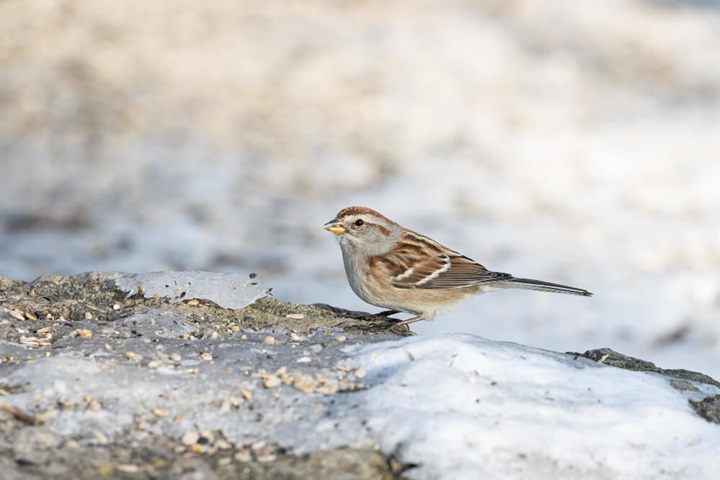
Putting out feeders for garden birds not only aids them through the winter but also keeps your garden lively.
Regularly refresh water sources and ensure they don’t freeze over. Additionally, starting a compost heap now can enrich your soil, making it fertile for the next planting season.
What to Plant
November remains a suitable month for planting bulbs to ensure winter and early spring colour.
Select a variety of bulbs and plant them in groups for visual impact. Transition your garden containers from summer blooms to winter displays using foliage plants like Heuchera and Ivy, coupled with winter-flowering perennials.
Raising pots off the ground prevents water logging during wetter months too.
Winter Bedding and Vegetable Gardening
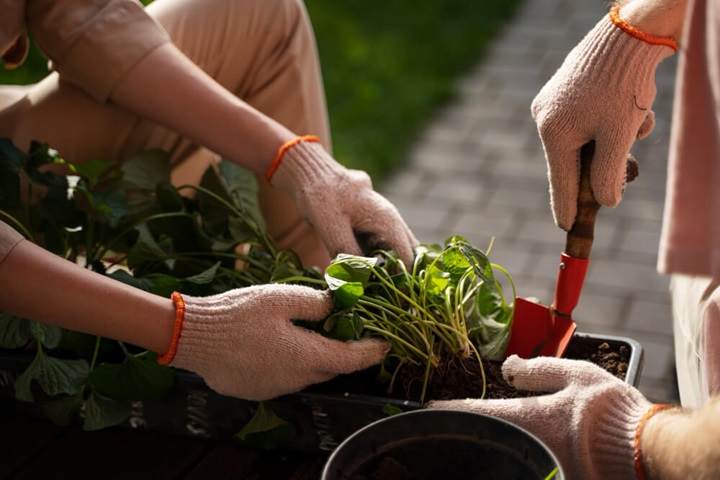
Introducing winter bedding plants adds a splash of colour to the drab winter palette.
Opt for vibrant pansies, primrose, or sweet William, which not only thrive in cold weather but also brighten your garden.
For vegetable gardeners, don’t overlook the winter months. Grow winter-hardy vegetables such as:
- Broccoli
- Brussel Sprouts
- Cauliflower
- Kale
- Leeks
- Parsnips
Essential Winter Gardening Tasks for December
Winter garden jobs like sharpening secateurs, securing loose handles on spades, and washing gardening gloves are vital to maintain the effectiveness and longevity of your tools.
A clean cut from well-maintained tools is less likely to introduce diseases to your plants. If you’re fortunate to have a greenhouse or a potting shed, take this quieter time in the garden to organise and clear out space.
Prepping Your Living Christmas Tree

For those who celebrate with a living Christmas tree kept outdoors, December is the time to bring it indoors. Of course, you would need to cut it down to size if it has reached an extensive size.
Ensure the tree adjusts by leaving it inside for 24 hours before decorating.
To keep your tree vibrant throughout the holiday season, water it generously and keep it away from heat sources like radiators, as conifers thrive in cold weather but can suffer in dry, warm indoor conditions.
Garden Planning
End the year by reflecting on your gardening activities. Consider what worked and what didn’t, and plan your gardening strategies for the upcoming year. Moving forward, you could try these garden planning apps so that you can prepare for the next gardening year sooner.
Planting and Harvesting

This month is still suitable for planting garlic and fruit bushes, provided the ground is not frozen or too wet. It’s also an ideal time to divide rhubarb and plant bare-root fruit trees, as well as raspberries and blackberries.
Winter gardening jobs also include harvesting and storing root vegetables like carrots, parsnips, and onions. Properly store your late-season harvest to ensure they remain fresh and usable throughout the winter months.
Winter Gardening Jobs: Preparing for Spring in January
Now that you are near the end of the winter gardening season, these are the final tasks that you should consider before preparing for spring gardening in February and beyond.
Recycling Your Christmas Tree
With the festive season wrapping up, January offers a unique opportunity for gardening in winter by repurposing your old Christmas tree.
Instead of discarding it, use these evergreens to aid your garden’s ecosystem. Spruces, firs, and pines can be transformed into shelters for small mammals, or used to construct climbing frames for climbing plants, adding structure and interest to your winter garden.
Seed Selection and Planning
While the ground might still be too cold for outdoor planting, it’s the perfect time to start planning your spring garden.
Ordering seeds now ensures you get a head start on the growing season. Choose diverse varieties available through seed catalogues, which often offer more unique options than what’s found at commercial garden centres.
Pruning and Preparing Fruit Trees
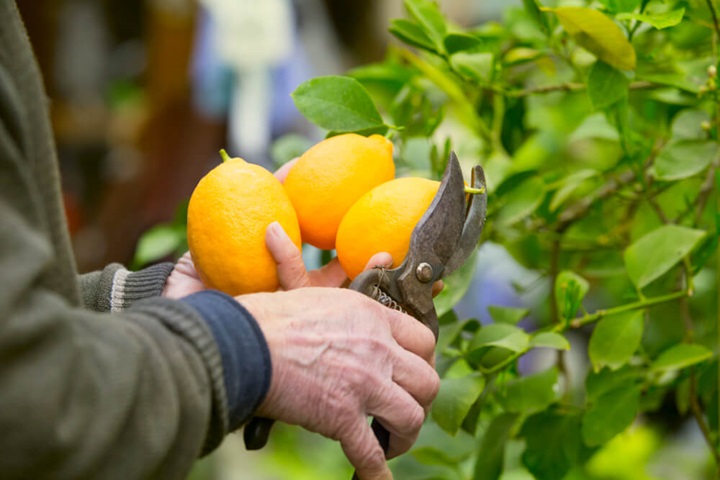
Winter is the ideal time for pruning dormant fruit trees.
Carefully remove any dead, diseased, or damaged branches to promote healthier growth in the spring. Ensure cuts are made at an angle to prevent water gathering, which can lead to rot. This type of maintenance is a key winter job in the garden, crucial for the longevity and productivity of your fruit trees.
Indoor Sowing
Get a jump on the growing season by starting seeds indoors.
Vegetables like Cavelo Nero, broad beans, and radishes can be started now, as well as onions and garlic.
Peas can also be sown indoors, ready to be transplanted in the early spring. Additionally, chitting seed potatoes now will lead to a stronger start when they’re planted out.
Encouraging Early Bloomers
Divide and replant snowdrops immediately after they flower to help them spread more effectively throughout your garden.
Known for their resilience and early blooms, snowdrops can invigorate a winter landscape and prepare it for a lively spring.
Supporting Winter Wildlife

Winter gardening also involves supporting the local wildlife that can struggle during the colder months.
Planting dense, evergreen shrubs and climbers, like ivy or Euonymus fortunei ‘Emerald ‘n’ Gold’, provides crucial shelter and nesting sites for birds.
Consider adding plants to attract bees and butterflies with their nectar and berries, or a lavender hedge to benefit bees and butterflies later in the year.
You could also try learning how to build a bug hotel, which is also a great activity for getting your kids into gardening, and see what wildlife lurks in your garden during this time.
Keep Your Furniture Protected In The Winter
At Sloane & Sons, we use natural materials including teak wood which is strongly weather resistant with our garden benches. Whilst these will withstand the winter frost, it is important to keep these covered up as well to prevent external damage. With this in mind, choose our bench covers so that your teak garden furniture can stand strong against the winter cold and remain intact ready for them to be reused again when the weather starts to warm up, so that you can enjoy your tranquil garden.
In conclusion, tackling winter gardening jobs such as maintaining tools, recycling Christmas trees, and preparing seeds and beds for spring ensures a robust garden ready for the warmer months. Pruning fruit trees, sowing seeds indoors, and planting to support wildlife are all vital tasks that aid both the beauty and biodiversity of your garden. By staying active during the colder months, you set the stage for a lush, vibrant spring and a fruitful year ahead in your garden.
Further reading:
- Regarding deadheading, observe our in-depth guide regarding how to deadhead lavender (ensure to do this during July and August rather than during the winter months).
- Opt for astroturf with our guide on how to lay artificial grass.
- Is the weather starting to get cooler, and the leaves are changing colour? Now is the time for these autumn garden jobs.
FAQs
Gardeners can make money in winter by offering services such as winter pruning, installing holiday decorations, performing snow removal, and planning/designing gardens for the upcoming spring.
Yes, gardeners can work in winter. They may engage in tasks like winter pruning, garden clean-ups, maintaining greenhouses or indoor plants, and preparing for the spring season by planning and ordering seeds and supplies.
In milder climates, you can plant hardy vegetables like kale, spinach, and garlic, as well as some cold-hardy flowers like pansies and violas. In colder regions, it’s best to wait until the risk of frost has passed unless using protective measures like cold frames or greenhouses.
Common winter pests include rodents, which may seek shelter in compost heaps or under plant debris, and aphids on indoor plants. Regularly inspect plants and use physical barriers or appropriate organic controls as needed.
Water plants on mild days when the temperature is above freezing, and early in the day so that the water can absorb before temperatures drop at night. Avoid overwatering, as plants’ water needs decrease in cooler temperatures.
A greenhouse can be used to grow cool-season crops, start seeds early for spring planting, and protect sensitive plants from frost. Ensure adequate ventilation on sunny days and consider a heat source if temperatures drop significantly.
Sources
Jayes, P., (2022) Winter vegetables to grow in the UK. The English Garden. [online] Available at: https://www.theenglishgarden.co.uk/plants/fruits-vegetables-and-herbs/winter-vegetables-to-grow-in-the-uk/ [accessed 09/10/2024]
