

What Animal Is Digging Holes In My Yard: Identifying Animal Holes In The Garden

Share

Are you mystified by the mysterious holes appearing in your garden? You’re not alone in this gardeners’ conundrum. Learn what animal is digging holes in UK gardens.
Throughout the year, you are bound to come across many animals in the garden, from squirrels to birds, and more. Unfortunately, some of these animals are bound to leave their mark e.g., burrows and holes. Therefore, in this article, we will answer the common question – “what animal is digging holes in my yard” – as we uncover the common culprits behind garden excavations across the UK. From inquisitive moles to burrowing rabbits, learn how to identify which creature might be turning your yard into their playground.
Key Points:
- Identify common UK garden animals that dig holes.
- Recognise signs of animal burrowing and damage.
- Learn methods to deter unwanted garden visitors.
- Understand the impact of each animal on your garden’s ecosystem.
- Discover practical tips to maintain a pristine lawn and garden.
What Animal Is Digging Holes In My Yard? 7 Likely Culprits
Have you noticed holes in the lawn? Uncovering the culprits behind the curious case of garden holes can be quite the mystery without catching them in the act. Depending on your location in the UK, several native animals could be the landscapers behind these unwanted garden features.
1. Moles

Moles are frequent characters in the story of mysterious garden holes. These small mammals are equipped with velvety fur and remarkably strong front paws for digging. They create intricate tunnel systems to hunt for their primary food source—earthworms.
Although beneficial for soil aeration, the visible mounds and ridges left by moles, commonly referred to as molehills, can disfigure lawns, making them a top suspect in the investigation of what digs holes in gardens.
Discover humane ways on how to get rid of moles in the garden
2. Foxes

Fox burrows are often mistaken for other holes due to their size and shape. These burrows are primarily used during the breeding season in the spring. Foxes may not dig as prolifically as moles, but the holes they do dig can be extensive, particularly when preparing a den for their cubs.
Locating a fox’s den is key to understanding signs of their presence, such as fresh food remains or fox scat near the entrance during spring.
3. Badgers

Badger setts can appear quite alarming due to their size, with some encompassing more than 50 holes. These setts are often part of extensive networks that include large sleeping chambers and multiple exits.
The holes, typically wider than they are tall and shaped somewhat like a sideways ‘D’, can be a clear indicator of badger activity if found on the edges of woods or in hedgerows around your property.
Understand how to deter badgers and stop these large pests from destroying your garden further
4. Rabbits
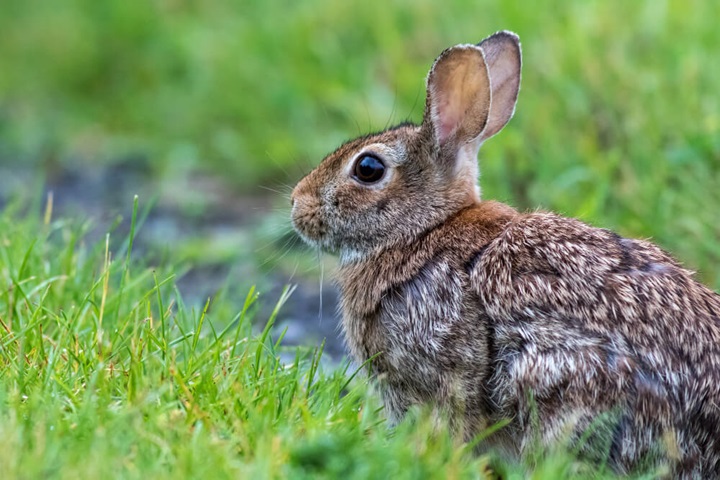
Rabbits, with their penchant for both digging and breeding underground, can create quite the network of burrows. These are usually not the extensive, multiple-entrance warrens seen in wild settings but are simpler, single-entrance burrows in gardens.
If you’re pondering what animal is digging holes in your yard, consider rabbits, especially if you notice nearby vegetation showing signs of nibbling.
5. Voles

Bank voles and field voles may be small, but their impact on a garden can be notable. They dig burrow systems that are generally just below the surface, with several entrance holes that can be spotted by the nibbled vegetation around them.
These holes are often accompanied by runways that cut through undergrowth and grass, providing clear signs of vole activity.
6. Hedgehogs

Yes, hedgehogs can indeed also dig holes in the garden. They possess strong, five-toed front paws that, while not suitable for capturing larger prey or causing harm to humans, are perfectly adapted for burrowing into soft soil in search of food.
Primarily, hedgehogs dig to find food. As insectivores, their diet consists mainly of earthworms and beetles, which are often buried beneath the surface. Remarkably, a hedgehog can detect a worm buried up to three inches deep, making digging a crucial skill for survival. This behavior is more refined in mature hedgehogs, who are adept at claiming a larger share of underground delicacies compared to their younger counterparts.
7. Squirrels
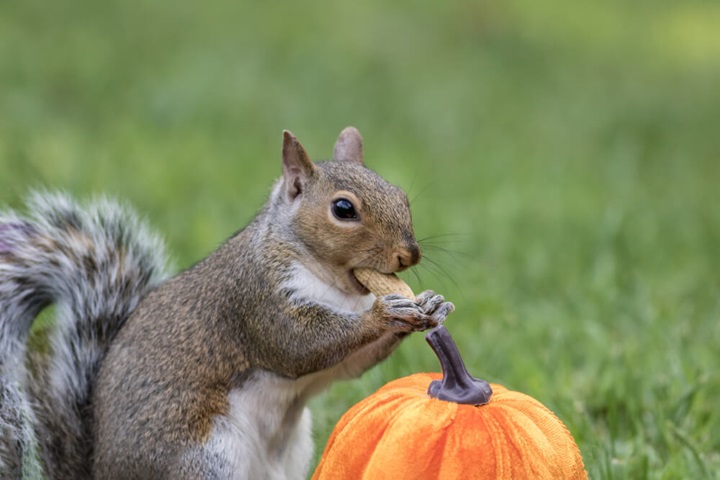
Squirrels will likely dig to bury and retrieve stored food. While they do not dig for shelter or create extensive burrows, squirrels can cause noticeable disturbances in gardens as they hide seeds and nuts.
Squirrel holes are typically not made for accessing or nesting but rather for food storage. These holes might contain leftover seeds or nut shells and can often be mistaken for those dug by hedgehogs if not carefully examined. Unlike hedgehog holes, squirrel holes are usually covered up after use unless they are abandoned or raided by other animals.
How Do You Identify Burrowing Animal Holes in UK Gardens?

Spotting the difference between these holes can often determine the appropriate response. Here are a few tips on how to identify burrowing animal holes in the UK:
- Size and Shape: Moles create round holes with mounds of soil, while badger setts are large and wide. Rabbit holes are smaller and often have a pile of soil at the entrance. Hedgehog holes are known to be small (roughly the size of your thumb) and are found either in underbrush pathways or under fences.
- Location: Fox holes are often secluded and may have food debris around, while vole holes can be found near trees and hedgerows.
- Additional Signs: Look for tracks, nearby droppings, or signs of feeding that correspond with the suspected animal.
Why Animals Dig in UK Gardens

In the UK, garden disruption from digging animals generally occurs due to two primary reasons.
First, many animals dig to create burrows for shelter or to prepare safe nesting places for their young.
Secondly, your garden might be providing a plentiful supply of food, attracting creatures ranging from small rodents to larger mammals (as shown above with squirrels and hedgehogs, for example).
Whenever winter approaches, this activity can intensify as animals prepare for the colder months ahead. Understanding these motivations helps in addressing the root cause of those eagle-eyed gardeners questioning – “what is digging holes in my garden UK.”
Strategies to Discourage Unwanted Guests in the Garden
To lessen the effects of burrowing animals, consider the following practical steps, which do not require precise identification of the animal:
- Eliminate Attractants: Remove potential food sources that are inviting these animals. This includes securing bird feeders, managing compost areas, and clearing fallen fruits which can attract animals to the garden.
- Water Management: Ensure there are no accidental watering spots, such as from leaky hoses or dishes left out for pets, which can attract animals to your garden.
- Physical Barriers: Place rocks or use robust metal mesh at the base of fences and around the garden perimeter to prevent animals from digging through vulnerable areas.
- Vegetation Control: Maintain a tidy garden by trimming back overgrown bushes and removing piles of debris to reduce shelter options for wildlife.
Are you trying to keep birds away from your garden as well, especially if you are growing crops? Try these bird deterrent methods.
Prevent Animals Digging In Your Garden
In conclusion, identifying which animals are digging holes in your UK garden involves recognising the unique signs and burrow characteristics of each creature. From the discreet burrows of mice, rats, and voles to the extensive networks of badger setts and the seasonal earths of foxes, each animal leaves a distinct imprint on the landscape. By understanding these signs, gardeners can implement targeted strategies to manage or coexist with wildlife, ensuring the garden remains a well-maintained sanctuary.
Further reading:
Whilst we have discovered common rodents that may leave holes and burrows in the garden, there are other pests that may cross your path that delays garden progress. Therefore, learn about:
FAQs
Animals may be digging in your yard or garden either in search of food or to construct shelters in the form of burrows.
Whether the animal will cease its activities depends on what you observe. Some behaviours, like squirrels gathering food for the winter, are natural and often temporary. However, more severe or persistent digging may require intervention. In such cases, it’s advisable to consult a wildlife removal expert to prevent further issues.
To deter animals from digging in your lawn, minimise attractions such as accessible bird feeders, fallen fruits, and open compost heaps. Also, maintain a clean yard by cutting back overgrown vegetation and removing debris to eliminate potential hiding spots. Erecting barriers in strategic areas can also help to keep animals at bay.
Sources
Williams, K., (2024) The Insectivores. Sussex Wildlife Trust. [online] Available at: https://sussexwildlifetrust.org.uk/news/the-insectivores [accessed 08/01/2025]
Fantastic Pest Control. (2020) Types of Squirrels in the UK. [online] Available at: https://www.fantasticpestcontrol.co.uk/squirrels/types-of-squirrels-in-the-uk/ [accessed 08/01/2025]
