

Toddler Child Friendly Garden Ideas: 12 Children’s Garden Ideas

Share

Summer in the garden can be challenging when planning activities for your toddlers. Fortunately, these children’s garden ideas might be able to help you…
Creating a garden that captivates and safely engages toddlers can transform an ordinary backyard into a thrilling adventure zone. In this article, we will guide you through the process of designing a toddler child-friendly garden, featuring areas for play, learning, and relaxation. From sensory gardens to child-safe materials and clever zoning, discover practical and imaginative ideas to make your outdoor space a haven for young explorers.
By involving children in outdoor play, you can harness the numerous benefits of nature on their health, lifestyle, and learning. There are several benefits of outdoor play on children’s health, learning, and development, and many outdoor activities can help foster essential skills and contribute to overall well-being.
If you have a range of wooden garden lounge furniture in your garden, and don’t want your children to be scared by creepy crawlies, learn natural methods to keep spiders off your patio furniture.
- What Defines a Child-Friendly Garden?
- Designing Zones for Maximum Fun and Safety
- Selecting Materials for a Child-Friendly Garden
- How To Plan A Child-Friendly Garden: 12 Quick Ideas To Consider
- 1. Diverse Play Areas
- 2. Inclusivity
- 3. Adaptability
- 4. Natural Elements
- 5. Space to Move
- 6. Space to Hide
- 7. Space to Share
- 8. Space to Learn
- 9. Space to Discover
- 10. Choosing the Best Play Equipment
- 11. Integrating Play with Garden Design
- 12. Plant Choices for Toddler Child Friendly Garden Ideas
- Toddler Child Friendly Garden Ideas Made Easy
- FAQs
- Sources
What Defines a Child-Friendly Garden?
A toddler child-friendly garden is more than just a playground; it’s a carefully crafted space that invites toddlers and older kids to explore, learn, and play safely. These gardens are designed with soft landscaping, engaging sensory elements, and diverse zones that cater to the varying needs of a family. The idea is to create a space that not only entertains but also stimulates the senses, encouraging children to interact with their environment in meaningful ways.
Designing Zones for Maximum Fun and Safety
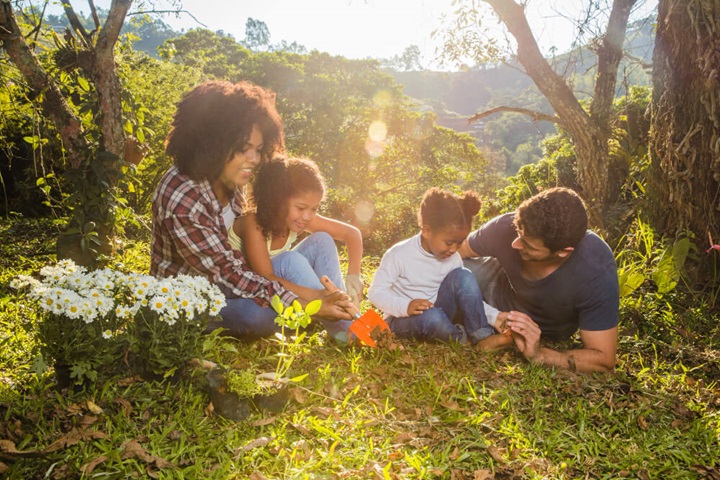
There are different kinds of zones that you could create in the garden for your child or children:
Play Zones:
Essential to any children’s garden play area ideas are designated play zones. These areas can include sandboxes, water play tables, or modular play equipment that can be adjusted as children grow. For small garden ideas for toddlers, consider a compact swing set or a small slide that fits neatly into a corner of the garden without dominating it.
Learning Zones:
Incorporate areas where children can learn about nature and gardening. A small plot where kids can grow vegetables and flowers introduces them to the cycle of life and the joys of gardening. Use raised beds or containers to keep it manageable and within reach of little hands.
Relaxation Zones:
Not every part of the garden should be about activity. Include a quiet corner with comfortable seating where children can read or engage in quiet play. This zone can be defined by a small hedge or a circle of flower pots, providing a serene retreat.
Selecting Materials for a Child-Friendly Garden
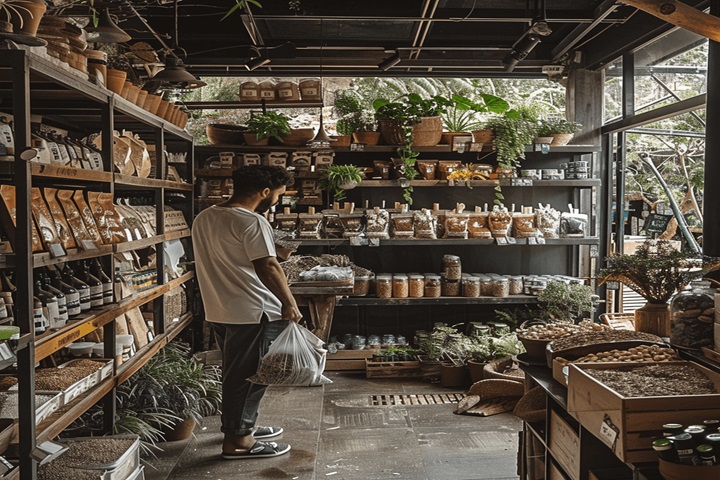
When planning a garden that is safe and enjoyable for children, one of the initial steps is to determine the materials that will separate different zones while providing structural integrity. But which materials should you use when creating a toddler-friendly garden?
Recommended Materials:
- Wood, Sleepers, and Cladding: These materials are gentle to the touch and offer a warm, natural aesthetic.
- Natural Stone Paving: Its porous nature allows for proper drainage during rainy conditions.
- Gravel and Woodchip: These are excellent for paths and play areas, providing good drainage and a softer landing for little feet.
Materials to Avoid:
- Artificial Turf: This material can become extremely hot and is not environmentally friendly (more details below).
- Glass: Avoid using glass in dividers, screens, or walls due to breakage risks.
- Plastic Foam or 3G Crumb: These materials are often non-recyclable and can contain harmful chemicals.
- Sleepers: Timber sleepers are especially versatile and safe, perfect for integrating into various garden areas. When arranged two sleepers high, they are the ideal height to keep toddlers safe from garden borders while also serving as benches for both children and adults.
- Stone walls: While stone walls can be an attractive feature, it’s important to consider the safety risks associated with harder materials, which can pose dangers to active children. Choose rounded or smoothly finished stones to minimise the risk of injury from sharp edges.
The Drawbacks of Artificial Turf in Child-Friendly Gardens
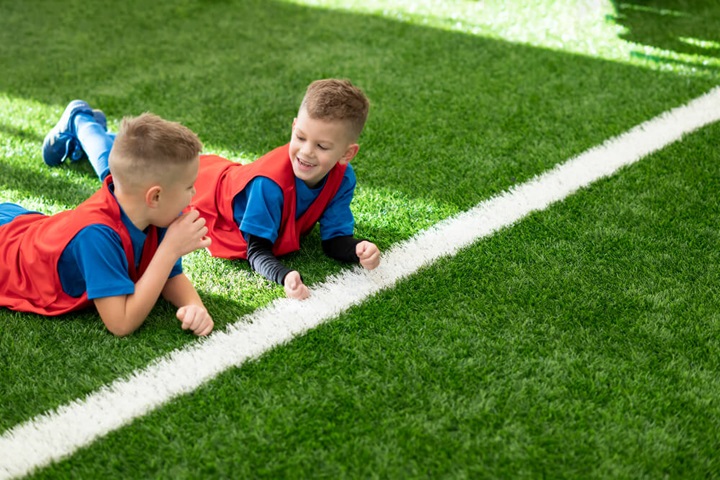
While artificial turf is often a viable solution for children’s garden play area ideas, its suitability for toddler child-friendly gardens is highly questionable. The material poses significant environmental and safety concerns that can detract from your toddler’s enjoyment in the garden.
- Artificial turf can become extremely hot in summer conditions, potentially causing burns to sensitive young skin.
- Astroturf is not biodegradable and contributes to landfill waste, with a lifespan of only 7-10 years.
- It smothers the underlying soil, inhibiting natural soil processes and harming local wildlife.
- For pet owners, artificial turf can be problematic as pet waste does not degrade naturally, unlike on real grass.
- When wet, it becomes slippery, and if children run or fall, the turf can cause severe friction burns.
With the big school holidays coming up, and if you’re in need of ideas on a budget, try these money saving ideas.
How To Plan A Child-Friendly Garden: 12 Quick Ideas To Consider
Here are some considerations to ensure your garden is a place of discovery and joy for all ages:
1. Diverse Play Areas
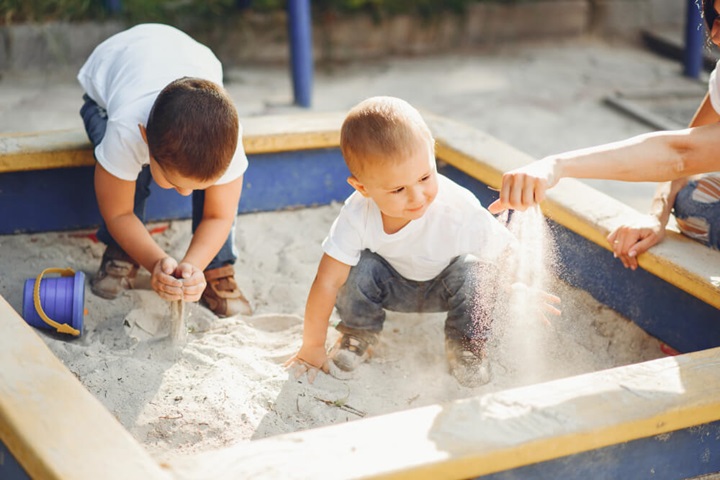
Incorporate elements that offer various types of play and interaction, from tactile sandboxes to intriguing climbing structures.
2. Inclusivity
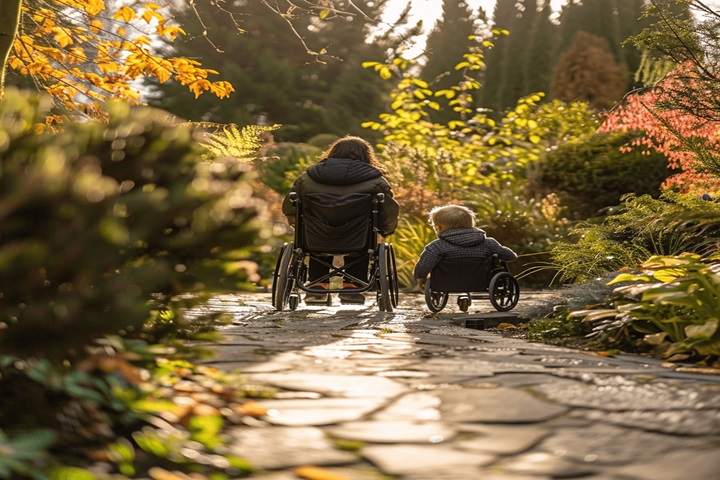
Design pathways and play areas that are accessible to children with disabilities.
3. Adaptability
Choose designs and materials that are easy to update as your family’s needs and the children’s interests change over time.
4. Natural Elements
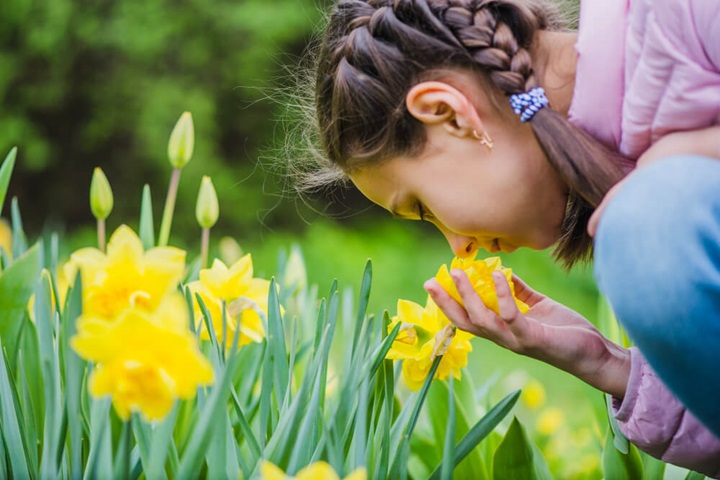
Utilise natural materials and plants to foster a connection with nature, encouraging sensory play that stimulates learning.
5. Space to Move

In smaller gardens, make use of every square inch. Winding paths and vertical structures can enhance the sense of space and adventure. Utilise natural materials like logs for balancing or a rope ladder to encourage physical activity and imagination.
6. Space to Hide

Create hidden nooks with vegetation or small structures like play tents or tree houses that are safe yet exciting for kids. These spaces provide a sense of mystery and privacy, crucial for their development.
7. Space to Share
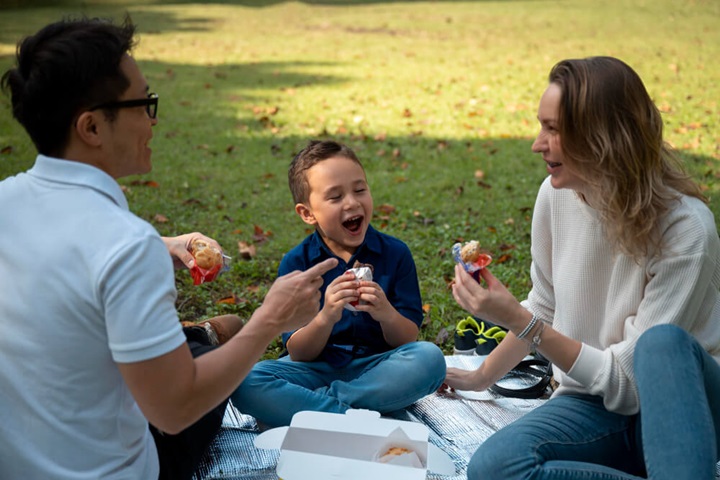
Dedicate an area for family gatherings with elements like a picnic table or a circle of stumps for seating. This communal space is ideal for outdoor meals and crafts, making it a central part of garden life.
8. Space to Learn
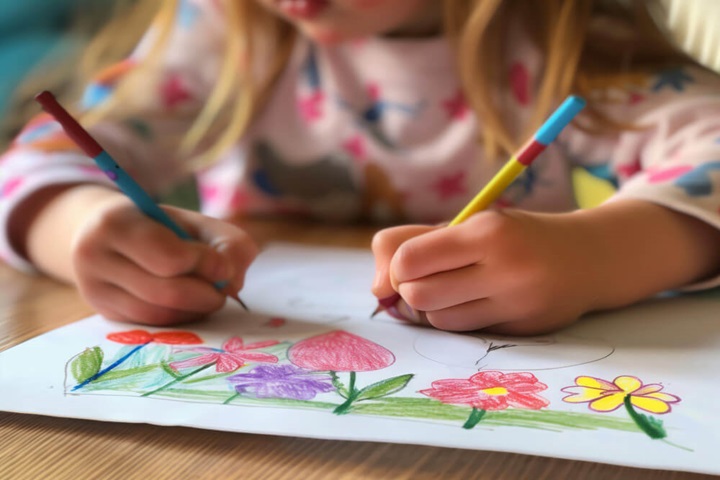
Integrate educational elements like a chalkboard or a planting area where children can learn about gardening and the environment. Encourage creativity with simple tools for drawing or gardening, helping them understand the life cycle of plants and the importance of caring for their surroundings.
9. Space to Discover
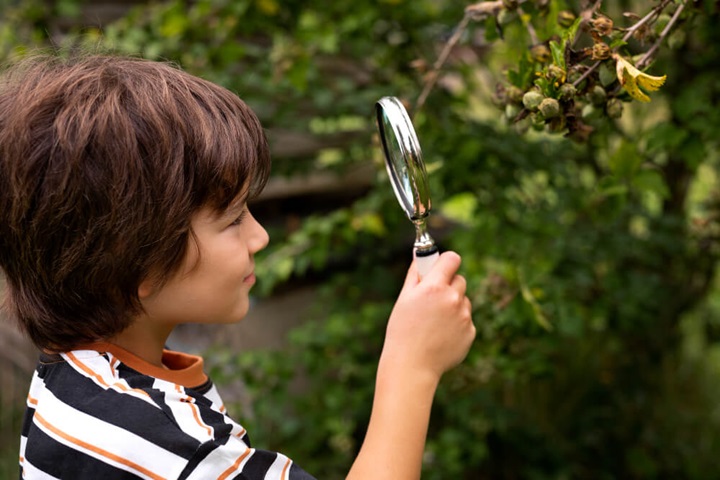
With toddler child friendly garden ideas, the inclusion of areas where kids can touch the earth and observe local wildlife can significantly enhance their understanding and appreciation of the natural world. This can be anything from a small water feature where they can watch frogs, to areas with diverse plants that attract butterflies and bees.
10. Choosing the Best Play Equipment

When integrating children’s garden play area ideas, selecting the right play equipment is crucial. Instead of opting for bright, plastic toys that detract from the natural beauty of your garden and often end up in landfills, consider sustainable options that blend with the outdoor environment.
Natural Play Elements:
- Rope Swings: A classic favourite, rope swings can be hung from sturdy branches or garden frames, offering endless fun.
- Garden Dens: Create a magical hideaway with simple materials like wood pallets or a draped fabric over a structured frame. Engage your children in the building process to give them a sense of ownership and accomplishment.
- Crawl Tunnels: Incorporate crawl tunnels made from safe, durable materials like wood.
11. Integrating Play with Garden Design
To ensure these elements aid the beauty of your garden, use natural materials like wood or stone that harmonise with the outdoor setting. Camouflage nets or climbing plants can be used to blend well with the surrounding flora.
Teach your kids about wildlife by building a bug hotel together
12. Plant Choices for Toddler Child Friendly Garden Ideas

When designing a toddler child-friendly garden, it’s crucial to select plants that are safe and engaging for young explorers. While the natural world is full of wonders, some plants can pose risks to children, making thoughtful plant selection essential.
Many common garden plants have toxic properties which can be harmful if ingested. It’s important to avoid harmful species such as Monkshood, Lily of the Valley, and Oleander, known for their high toxicity.
However, not all common plants need to be excluded. For instance, while Hydrangeas and Daffodils contain toxins, their risk is minimal under supervision.
Incorporating child-friendly plants can provide educational opportunities. Teaching children which plants are safe and which are not helps them learn about the natural world responsibly. Opt for plants that are not only safe but also sensory and interactive, like Lamb’s ear with its soft foliage, and various herbs that encourage sensory exploration through smell and touch. You can even keep your child-friendly garden pest free with this selection of fly-repellent plants.
Incorporate bee-friendly plants into your garden to create a vibrant, educational space for children to learn about nature and help support local ecosystems.
Toddler Child Friendly Garden Ideas Made Easy
In conclusion, designing a child-friendly garden is about creating a safe, engaging, and educational outdoor space. By carefully zoning the garden, choosing the right materials, and selecting safe plants, you can create an environment that encourages kids to explore, learn, and play. Integrating thoughtful design elements like play areas, sensory experiences, and educational opportunities ensures that your garden grows alongside your children, providing a dynamic space where they can thrive.
For more plant ideas for your children, check out these best plants for kids.
FAQs
Gardening with Toddlers:
Pick their interest: Let them choose colourful veggies or fast-growing flowers.
Small tasks, big fun: Give them safe tools like spoons for digging or watering cans for sprinkling.
Manage expectations: Focus on the experience, not a perfect garden.
Safety first: Remove anything dangerous like sharp tools or poisonous plants.
Decorating a Child-Friendly Garden:
Create a play area: Include a small sandbox, teepee, or child-sized furniture.
Whimsical touches: Use brightly coloured pots, wind chimes, or painted rocks.
Grow vertical gardens: Plants in hanging baskets or containers take up less space.expand_more
Welcome the creatures: Add a birdbath or small bug house to attract wildlife.
Sensory Garden for Kids:
Sight: Plant flowers with vibrant colours and different textures.
Touch: Include plants with soft leaves, rough bark, and fragrant herbs.
Sound: Add wind chimes, tinkling bottles, or a small water feature.
Smell: Plant fragrant flowers and herbs like lavender, mint, or rosemary.
Sources
Liddle, R., Hilpern, K., (2023) 24 ideas for the six weeks holidays without spending a fortune. Prima. [online] Available at: https://www.prima.co.uk/family/kids/advice/a35586/six-weeks-holidays-money-saving-ideas/ [accessed 06/06/24]
Sansone, A., (2020) 15 Best Plants for Kids That Are Easy and Safe to Grow. Country Living. [online] Available at: https://www.countryliving.com/gardening/garden-ideas/g29730910/best-plants-for-kids/ [accessed 06/06/24]
