

Why Are My French Hydrangea Leaves Curling? Preventing Hydrangea Diseases

Share

Are your French hydrangea leaves curling? These common sign of diseases lurking might be more than just a plant’s bad day.
Hydrangeas are a great plant to grow and can bring many benefits to the garden. One of the most common hydrangea varieties is a French hydrangea; however, growing hydrangeas aren’t without their problems. In this article, we will look at the reasons behind hydrangea leaves curling, and how you can effectively prevent hydrangea diseases.
Key Points:
- Recognise signs of water stress and how to adjust your watering practices.
- Understand the impact of soil conditions and learn how to maintain better soil health.
- Identify common pests and diseases that cause leaf curling and how to manage them.
- Learn preventive measures to keep your hydrangeas strong and healthy against environmental changes.
- 8 Common Hydrangea Problems
- 1. Insufficient Watering
- 2. Waterlogging
- 3. Transplant Shock
- 4. Excessive Sun Exposure
- 5. Frost Damage
- 6. Environmental Factors
- 7. Soil and Nutrient Imbalance
- 8. Incorrect Pruning
- Effective Strategies for Treating Hydrangea Leaf Curling
- Light and Temperature Management
- Drainage
- Soil and pH Testing
- Nutrient Supplementation
- Combating Pests and Diseases
- Clean Environment
- Prevent Hydrangea Leaves Curling
- FAQs
- Sources
8 Common Hydrangea Problems
Hydrangeas are popular for their lush foliage and beautiful blooms, but they can sometimes encounter issues that cause their leaves to curl, which is significant to know if you are thinking about growing hydrangeas and need to be aware of their pros and cons.
Here are the most common problems that you will encounter when growing hydrangeas, and what can be done about them:
1. Insufficient Watering
One of the most straightforward reasons for hydrangea leaves curling is lack of watering. Hydrangeas thrive in moist soil but falter when the soil dries out. This lack of water leads to the edges of the leaves wilting and curling, a clear sign of distress.
Potted hydrangeas are particularly vulnerable as they require more frequent watering than those planted directly in garden beds, especially in warmer or sunnier locations.
- Solution: Maintain consistent moisture levels in the soil, ensuring it is moist but not soggy. Regular checks will help you adjust watering schedules according to weather conditions and the plant’s needs.
2. Waterlogging
Conversely, too much water can also be detrimental. Hydrangeas suffering from waterlogged roots will display yellow, weak, and underdeveloped leaves that may begin to curl at the edges. This happens because excessive moisture prevents roots from absorbing necessary nutrients effectively.
- Solution: Ensure proper drainage in pots by checking for and unblocking drainage holes. For garden-planted hydrangeas, consider relocating them to higher ground or areas with better drainage. A quick fix for yellowing leaves can be the application of sequestered iron. Aim to water up to three times a week, but this may vary on your type of hydrangea.
3. Transplant Shock
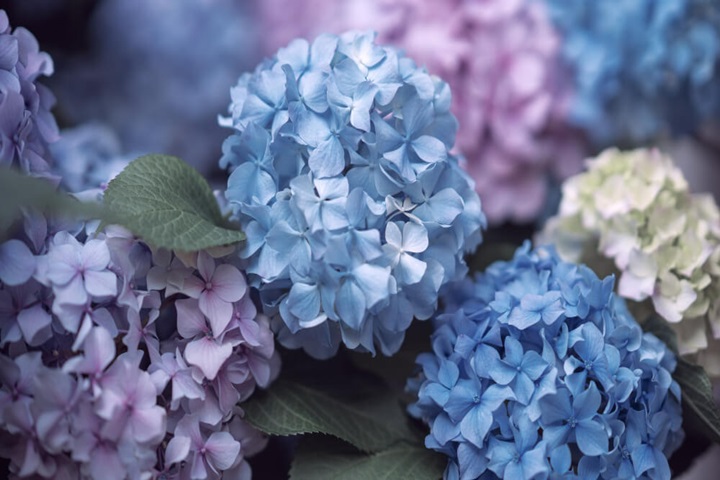
Transplant shock can cause hydrangea leaves to curl when they are moved and struggle to adapt to a new location. This is often caused by damage to roots during the moving process and subsequent placement in unfavorable soil conditions.
- Solution: When transplanting, choose cooler weather conditions and provide shade to shield the plant from direct sunlight initially. Keep the soil around newly transplanted hydrangeas moist to help ease the transition and protect the root system during the move.
4. Excessive Sun Exposure
Hydrangeas placed in areas that receive intense midday sun are likely to experience stress, which can manifest as curled leaf edges.
This is especially true for potted hydrangeas, which might not have the same natural protections as those planted in the ground.
- Solution: Monitor your hydrangea’s exposure to sunlight and consider relocating plants that do not improve after adjusting watering and shading methods. Ensuring that they receive morning sun and afternoon shade can often prevent symptoms of sun stress.
5. Frost Damage
Unexpected frost can severely impact hydrangeas, causing young leaves and stems to turn black or brown and curl up. As the climate changes, early blooms are becoming more common, which increases the risk of damage from late frosts.
- Solution: Protect sensitive plants with frost covers and relocate potted hydrangeas to sheltered areas. After the risk of frost has passed, prune any damaged growth to encourage healthy new growth, and ensure the plant is adequately hydrated and fertilised to support recovery.
6. Environmental Factors
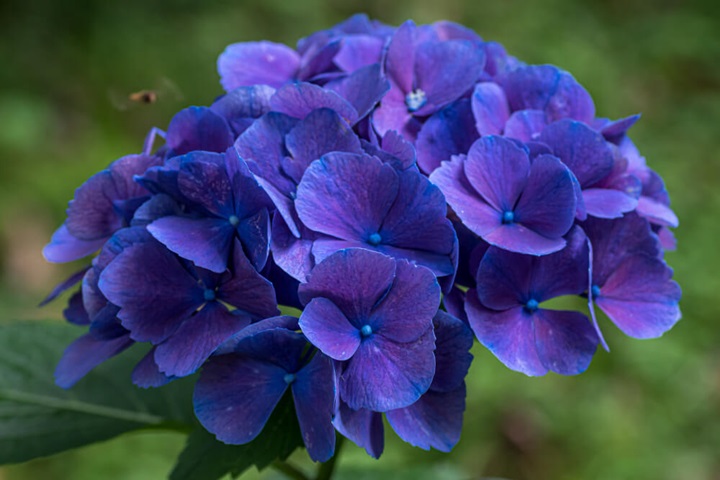
Environmental stressors like temperature fluctuations and incorrect lighting can also lead to hydrangea leaf curl. Ensuring your hydrangeas are not in the direct path of harsh sunlight or chilling winds can prevent many of the common symptoms of distress.
- Solution: Create an environment that mimics the ‘Goldilocks zone’—not too hot, not too cold, with just the right amount of light. This balanced approach will help prevent leaf curl and encourage healthy, vigorous growth.
7. Soil and Nutrient Imbalance
Soil quality plays a pivotal role in the health of hydrangeas. An incorrect pH level can lock essential nutrients away, making them unavailable to the plant, which can lead to nutrient deficiencies manifesting as yellow leaves or hydrangea leaf curl. Hydrangeas prefer slightly acidic to neutral soil so that it can better absorb nutrients.
- Solution: Test your soil’s pH regularly and adjust as needed using sulfur to lower the pH or lime to raise it. Incorporating organic matter like compost can also help balance pH and improve soil structure, maintaining root health and water retention. If nutrient deficiencies are evident, applying a balanced, slow-release fertiliser can provide the necessary boost without overwhelming the plant.
8. Incorrect Pruning
Leaf curling in hydrangeas could potentially be caused from a lack of blooming, too, which is often due to incorrect pruning times.
To avoid this, it’s crucial to understand the specific type of hydrangea you have. Some hydrangeas bloom on old wood, while others bloom on new wood; pruning at the wrong time can remove the buds that would have developed into flowers.
- Solution: First, check the type of hydrangea that you have. This can impact the best time in which you should start pruning your hydrangeas, which traditionally, is in spring. Select young, non-flowering shoots in the morning, which typically show the most vigorous growth. Cut the selected shoots just below a node, and remove the lower two sets of leaves to minimize moisture loss. Trim the remaining leaves by half to reduce transpiration and encourage root growth. Place the prepared cuttings into a pot filled with gritty compost mixed with perlite to ensure good drainage. Space the cuttings so that the leaves do not touch, which helps prevent the spread of any potential diseases. Water the cuttings thoroughly and cover the pot with a clear plastic bag to create a humid environment. Keep the pot in a shady spot in an unheated greenhouse or similar setting. Once signs of growth are evident, indicating successful rooting, transfer the plants to individual pots. Continue to keep them in a shaded area to protect the young hydrangeas from direct sunlight.
Effective Strategies for Treating Hydrangea Leaf Curling

Leaf curling in French hydrangeas can be an alarming sign, but with the right care adjustments, you can restore your plants to health. Here are some general tips which you can consider to keep your hydrangeas healthy and thriving:
Light and Temperature Management
Hydrangeas are sensitive to their light and temperature environments. Too much direct sunlight can cause the leaves to curl as a protective mechanism.
To prevent this, position your hydrangeas where they receive morning light but are shaded during the hottest part of the day.
During winter, ensure the plants are protected from frost, which can often cause leaf curling.
Drainage
Ensure that your hydrangeas have plenty of drainage, especially if they are potted. Poor drainage can lead to waterlogged soil, a common cause of hydrangea leaf curling. Check for and clear blocked drainage holes regularly, and consider using pots with better drainage capabilities or adding drainage materials like gravel at the base of the pot.
Soil and pH Testing
Regular soil testing can help you maintain the optimal pH for hydrangeas, which generally ranges from slightly acidic to neutral.
If tests show that the soil is too alkaline or too acidic, adjust it using sulfur or lime, respectively.
Are weeds disrupting the beauty of your garden? Try out our effective homemade weed killer method.
Nutrient Supplementation
A balanced diet is vital for preventing hydrangea diseases leaf curling.
Use a balanced, slow-release fertiliser that provides essential nutrients without overwhelming the plant. This will help avoid nutrient burn, which can also cause leaf curling.
Combating Pests and Diseases
Aphids, spider mites, and fungal diseases like powdery mildew are common culprits behind hydrangea leaves curling.
Regular inspections can help catch these issues early before they cause significant damage.
For pests, treatments such as insecticidal soap and neem oil for plants can be effective when applied judiciously to affected areas. For fungal issues, remove any affected foliage immediately and consider fungicidal treatments, being sure to follow application guidelines carefully to avoid harming the plant.
Clean Environment
Keeping the growing area clean and free of debris reduces the risk of fungal infections and pest infestations.
Ensure good air circulation around your plants and avoid overhead watering to minimise moisture on leaves, which attracts pests and diseases.
Prevent Hydrangea Leaves Curling
In conclusion, there are many ways that might be causing your hydrangea leaves to start curling. However, reassure yourself that it is likely no fault of your own, and you should not let this slip up affect your overall gardening techniques. Throughout the spring, be sure to keep on top of your hydrangea maintenance, ensuring that you water it correctly (not too much, nor too little), have enough sunlight, appropriate soil pH, and keep an eye out for signs and symptoms of pests or diseases lurking on the plant. By following these tips, at the end of spring, you should have a healthy, thriving hydrangea ready for the summer without any leaf curling.
FAQs
If the problem persists, consider whether the plant may be experiencing root issues, such as rot or a fungal infection. Consulting with a local horticulturist or extension service can provide specific advice and treatment options tailored to your region’s conditions.
Yes, a deficiency in essential nutrients like magnesium or iron can cause leaf curling. If a nutritional deficiency is suspected, applying a balanced, slow-release fertilizer that includes micronutrients can help.
Sources
Lang, A., (2021) Hydrangea Root: Supplements, Uses, and Benefits. Healthline. [online] Available at: https://www.healthline.com/nutrition/hydrangea-root [accessed 10/03/2025]
Educational Wave. (n.d.) Pros and Cons of Hydrangeas. [online] Available at: https://hub.educationalwave.com/pros-and-cons-of-hydrangeas/ [accessed 10/03/2025]
