

How To Treat Teak Garden Furniture: The Essential Teak Outdoor Furniture Care Guide

Share

Tired of your teak garden furniture turning grey or looking worn after a season or two outdoors? Many don’t realise just how easy teak is to care for when you know what to do.
Looking after teak outdoor garden furniture doesn’t need to be complicated. With a little bit of TLC, you can keep your teak furniture long-lasting for years. In this article, we will walk you through how to treat teak garden furniture so it lasts longer and looks its best. From regular cleaning tips to tackling stubborn stains and choosing the right sealant, we’ll cover all the basics of teak outdoor furniture care in simple, no-fuss steps.
Key Points:
- Learn how to clean and maintain teak garden furniture without damaging the wood
- Understand how to treat stains like grease, watermarks, and bird droppings
- Discover when and how to apply teak sealers
- Find out why painting or varnishing teak isn’t recommended
- Did You Know? Untreated teak can last for 50+ years outdoors, developing a natural silver-grey patina over time.
- Top 7 Tips on How To Treat Garden Furniture
- 1. Clean Your Teak Furniture Regularly
- 2. Remove Spills As Soon As They Happen
- 3. Lift—Don’t Drag—Your Furniture
- 4. Apply a Teak Sealer to Preserve the Colour
- 5. Avoid Extreme Temperatures
- 6. Prevent Mildew in Damp Weather
- 7. Remove Stains With Care
- Can You Paint or Varnish Teak?
- Do’s and Don’ts for Teak Outdoor Furniture Care
- ✅ Do:
- ⌠Don’t:
- Why Choose Sloane & Sons for Teak Garden Furniture?
- FAQs
- Sources
Top 7 Tips on How To Treat Garden Furniture
There are many ways in which you can clean, restore, and treat teak garden furniture, but which is the right way to go about it? Here are our recommended tips for teak outdoor furniture care:
1. Clean Your Teak Furniture Regularly
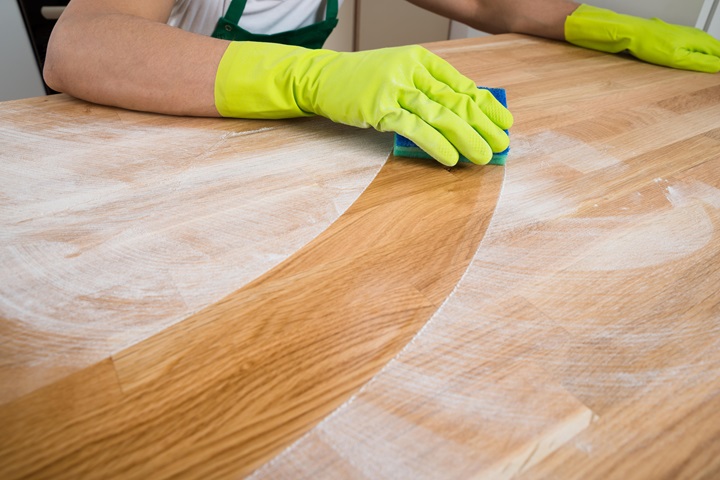
It doesn’t take long for outdoor teak furniture to collect dust, grime, and bird droppings. But with a little care, it can stay looking great for years.
Regular cleaning is one of the most important steps in teak outdoor furniture care. A light scrub with a soft-bristle brush once a month is usually enough to keep dirt, leaves, and cobwebs at bay. Be sure to scrub along the grain of the wood—not against it—to avoid damaging the surface.
If your commercial garden furniture needs a deeper clean, mix a small amount of washing-up liquid with warm water. Gently apply the mixture to the surface and leave it for a few minutes. Then rinse it down using a garden hose—never a pressure washer—and let it dry completely before using. This routine will keep your furniture looking fresh without stripping away the wood’s natural oils.
2. Remove Spills As Soon As They Happen
Spills are bound to happen—whether it’s a splash of red wine, sunscreen, or greasy food. The key to treating teak garden furniture properly is acting fast. Wipe up spills right away using a soft cloth and a small amount of mild soap and water.
For more stubborn marks like grease stains or water rings, use a dedicated teak cleaner or lightly sand the affected area with fine-grit sandpaper. Always sand in the direction of the grain, and never use harsh tools like metal brushes or scouring pads, which can scratch or splinter the wood.
3. Lift—Don’t Drag—Your Furniture
Teak wood may be durable, but dragging your furniture across a patio or lawn can cause scuffs, cracks, or loosen the joints, as well as potentially marking your ground covering. If you need to move a bench, lounger, or table, lift it instead of pulling it along the ground. If the item is heavy or awkward, ask someone to help.
Before moving your teak furniture, clear a path to avoid bumping into pots, railings, or uneven ground. Take your time and grip the frame securely, especially if you’re navigating steps or narrow gaps. Moving your furniture with care helps preserve its structure—and prevents avoidable damage.
4. Apply a Teak Sealer to Preserve the Colour
One of the most common questions about how to treat teak garden furniture is how to keep its golden-brown colour from fading. If left untreated, teak naturally weathers to a silvery-grey patina. While some people like this aged look, others prefer to maintain the original tone.
To do this, apply a teak sealer once or twice a year. Sealers help slow the weathering process by protecting the wood from sunlight and moisture.
5. Avoid Extreme Temperatures
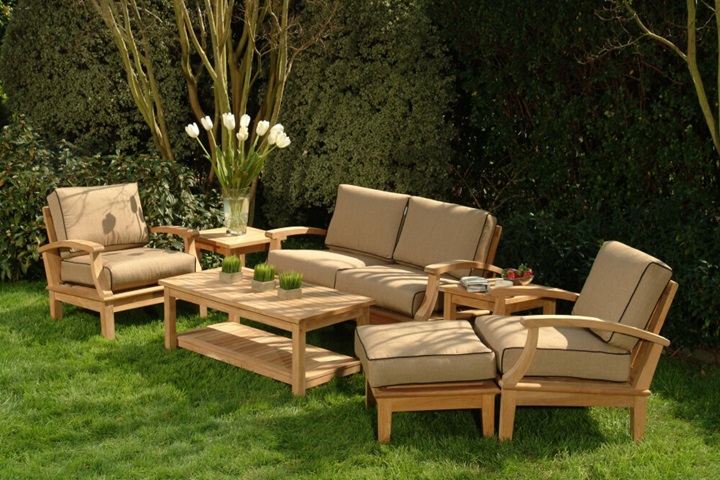
Teak is naturally tough, but that doesn’t mean it’s immune to temperature changes. If you want to know how to treat teak garden furniture for long-term use, you’ll need to think about where it’s placed. Constant exposure to direct sunlight can cause the wood to dry out, shrink, and eventually crack.
Try to position your teak furniture in a shaded or semi-shaded spot during the hottest parts of the day.
If this isn’t possible, using a breathable garden bench cover can help reduce heat stress without trapping moisture.
If you store your teak pieces indoors during colder months, keep them away from radiators and heaters. Dry indoor air and high heat can affect the moisture content of the wood, leading to warping or splits. Good airflow and moderate temperatures are key parts of teak outdoor furniture care. Learn more about keeping teak furniture indoors with our guide on how to clean teak wood indoor furniture.
6. Prevent Mildew in Damp Weather
Humidity and damp conditions can sometimes lead to mildew forming on your furniture. While teak contains natural oils that make it resistant to mould and rot, it’s not entirely immune—especially if furniture is left untouched for months.
Knowing how to look after teak garden furniture in humid environments is important. Start by cleaning the furniture regularly to stop mildew from taking hold. If mildew appears, use a soft brush and a solution of water mixed with a splash of white vinegar or gentle soap.
Avoid using a pressure washer—it may blast off more than just the mildew and damage the surface.
You can also prevent future growth by allowing the furniture to dry thoroughly after rain. If possible, store cushions separately and leave space under the furniture to improve airflow.
Ensure to also keep your bench cushions protected! Use this guide on how to clean outdoor cushions for guidance.
7. Remove Stains With Care
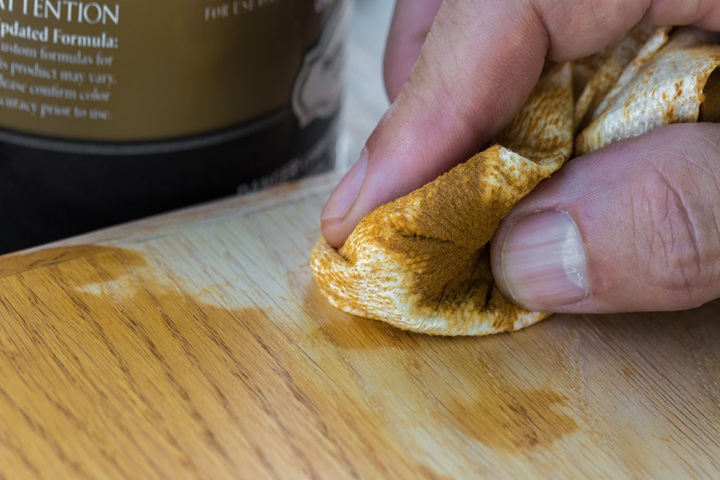
Even if you’re careful, spills happen. Coffee, red wine, and even bird droppings can leave marks if left too long. One of the most asked questions about treating teak garden furniture is how to remove stains without ruining the finish.
If you catch a spill early, wiping it up with warm soapy water and a soft cloth should do the job. For deeper or older stains, a dedicated teak cleaner can help lift the mark without damaging the wood.
Another method is light sanding. Use coarse sandpaper to gently remove the top stained layer, then smooth it over with fine-grade paper. Always sand in the direction of the grain to maintain a smooth, natural finish.
Is teak the best water resistant wood? Find out the reasons why it is.
Can You Paint or Varnish Teak?
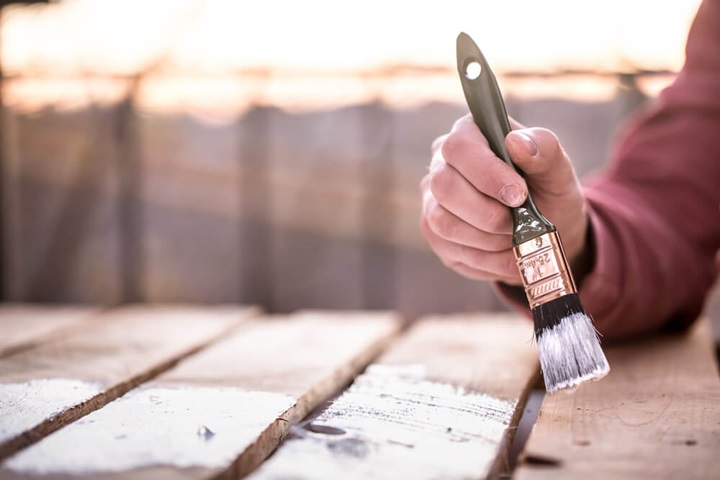
If you’re wondering how to protect teak outdoor furniture by painting or varnishing it—don’t. Teak’s natural oils make it difficult for paint and varnish to stick. The results often peel or flake after just a few months.
Not only that, but painting covers up the unique look of the wood grain. If your goal is to preserve appearance and performance, stick with cleaning and sealing instead. If you have recently purchased a second hand teak furniture set that has been painted over, discover how to remove paint from wood furniture to preserve its natural beauty.
Still unsure about varnishing your teak furniture? Actor Stanley Tucci recently shared how varnishing his own wooden garden furniture turned into a regretful decision—highlighting just how important it is to choose the right treatment for your wood.
Do’s and Don’ts for Teak Outdoor Furniture Care
When it comes to treating teak outdoor furniture, a few simple habits can go a long way. If you’re wondering how to look after teak garden furniture without causing damage, follow these straightforward do’s and don’ts.
✅ Do:
- Clean your teak furniture regularly with a soft brush and mild soapy water
- Always scrub in the direction of the grain to avoid scratches
- Allow the furniture to dry completely after washing
- Use a teak sealer once or twice a year if you want to keep the golden-brown colour
- Store or cover your furniture in extreme weather to prevent warping and cracks
❌ Don’t:
- Use a pressure washer or stiff wire brushes when cleaning
- Apply teak oil too often—it can attract dirt and mildew
- Sand against the grain of the wood
- Use bleach or harsh chemicals
- Paint or varnish teak, as it doesn’t bond well and can flake quickly
Why Choose Sloane & Sons for Teak Garden Furniture?
At Sloane & Sons, we specialise in crafting long-lasting, premium teak garden benches and furniture. Every piece is made using high-grade teak that’s built to withstand British weather with minimal upkeep. Whether you want a traditional bench or a modern seating set, our furniture is designed with comfort, durability, and style in mind.
Looking to invest in outdoor furniture that’s simple to care for and made to last? Shop for garden benches at Sloane & Sons.
FAQs
Yes. Teak is weather-resistant and can be left outside uncovered. However, to extend its lifespan:
Use covers in extreme weather.
Clean it periodically.
Treat it with oil or sealer if you want to preserve its colour.
It’s not recommended. Pressure washers can damage the wood fibres. Use a soft brush or cloth with mild soap and water instead.
Sources
Hesikova, S., (2023) Stanley Tucci learnt the hard way about this essential step in caring for wooden garden furniture. Ideal Home. [online] Available at: https://www.idealhome.co.uk/diy/stanley-tucci-garden-furniture-varnish [accessed 11/06/2025]
