

How To Lay Weed Membrane: Stop Weed Growing In Your Garden

Share

Tired of weeds taking over your garden paths or gravel driveway? Weed membrane could be the long-term fix you’ve been looking for.
Weeds in the garden are always a problem, and rarely offer any benefits. If you’re tired of using homemade weed killer, and need a more permanent solution to stop them appearing in your garden, a weed membrane may be the solution you need. If you’re wondering how to lay weed membrane properly, this article covers everything you need to know. From picking the right fabric to laying it under gravel or paving, we’ll walk you through each step clearly. Whether you’re planning a tidy patio or a low-maintenance seating area, this guide will explain how to stop weeds growing through membranes and keep your outdoor space neat.
Key Points:
- Learn how to put weed membrane down under gravel, paving, or artificial grass
- Understand the difference between thin and thick membrane types
- Get tips for preparing and clearing the ground before laying
- Discover how to secure weed membrane to stop movement
What is a Weed Membrane?
A weed membrane is a sheet of fabric designed to sit beneath decorative gravel, slate, or chippings. Its purpose is simple — it helps prevent weeds from growing up through the surface. By blocking light and acting as a barrier, it reduces the chance of weeds appearing, making it easier to keep your garden tidy.
Weed control fabrics are straightforward to install and work well in gardens, pathways, or driveways. If you want a low-maintenance solution to weed growth, especially around gravel or seating areas, weed membrane is worth considering.
Weed Membrane Factors and Considerations
Before laying weed membrane, it’s important to think about how it fits in with your garden layout and planting plans. If you’re adding flowers or shrubs, you’ll need to cut small holes in the fabric for planting. This is perfectly doable — just make sure not to cut more than necessary, as this can allow weeds to creep through.
Weed membranes are usually breathable. They allow water and nutrients to pass through to the soil while stopping light, which helps block weed growth. However, some organic material, such as fallen leaves, won’t break down into the soil as easily with fabric in place. Over time, this might affect the richness of the soil underneath.
If you’re not planting directly into the soil, or if the focus is on keeping gravel or stone areas clear, laying weed membrane is a smart move. It gives you a clean, tidy base and helps stop weeds growing through membrane layers in future.
Choosing the Right Weed Membrane

Weed membranes come in different thicknesses. The right one depends on where and how you’re using it.
- Lightweight (thin) membrane: Best for flower beds, borders, and areas with little foot traffic. Easier to cut and fit around plants.
- Heavy-duty (thick) membrane: Ideal for gravel paths, driveways, or areas where people or vehicles will move over it. It’s less likely to tear and holds up better under pressure.
Before buying, check the product details. Look for words like “non-woven” for durability or “woven” for flexibility. Getting the right type will make a big difference to how well the membrane performs long term.
Making the Garden Area Clear
Before you lay anything down, take time to prepare the area properly. This will make a big difference in how well the fabric holds up and how to stop weeds growing through membrane gaps.
- Remove existing weeds by hand or use a weed killer
- Rake the soil flat and remove any large stones or roots
- Trim back overhanging plants
- Make sure the surface is dry before laying the membrane
Sharp stones or leftover roots can tear the fabric over time, so getting the ground as clean and smooth as possible is worth the effort.
How to Lay Weed Membrane
When you’re ready to start laying weed membrane, unroll the fabric and place it over your cleared area. If your project is large, use multiple sheets and overlap them by at least 10–30cm to avoid gaps where weeds could get through.
Wondering how to secure weed membrane in place? Use plastic or metal fixing pegs around the edges and through the middle of the sheet. This stops the fabric from moving when you add gravel or walk over it.
Once secure, cut away any extra membrane hanging over the edges. If you’re planting in the area, use scissors to make small cross-shaped cuts where each plant will go.
Laying the Gravel
With the membrane in place, you’re ready to add gravel. The size and depth of gravel you use depends on the space:
- Paths and driveways: Use 14–20mm gravel at a depth of around 5cm
- Garden borders or decorative areas: Use 6–10mm gravel if no heavy foot traffic is expected
Spread the gravel evenly over the membrane, making sure it’s fully covered. This final layer helps to weigh down the fabric and adds a neat, polished finish.
Once your gravel is down and your membrane is in place, why not complete the look with a set of wooden garden chairs? They’re ideal for peaceful corners where you don’t want weeds getting in the way.
Tips for Using Landscape Fabric
Laying weed membrane is a smart way to reduce long-term maintenance in your garden, but it still needs a little upkeep to work at its best. Over time, soil, dust, and organic matter can build up on the surface, creating a spot where weeds might start to grow again.
Here’s how to stop weeds growing through membrane areas long after installation:
- Keep an eye out for dirt or mulch build-up. Once it starts turning to soil, it’s time to rake it off or replace it.
- Use only a light layer of mulch over weed fabric. Thick layers break down faster and give weeds more room to settle.
- Rinse gravel or stone occasionally with a hose to clear away fine dust.
- Remove any early signs of weed growth as soon as you see them.
By checking on the area every few months and clearing off any debris, you can make your weed membrane last longer and continue doing its job.
Can You Lay Paving Slabs on Weed Membrane?
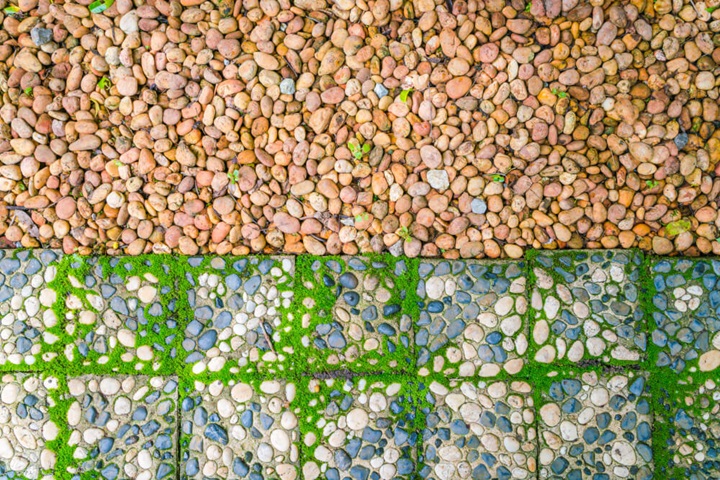
Yes, you can. In fact, using a weed membrane under paving slabs is common practice in domestic gardens and landscaping projects. The membrane acts as a barrier to weeds while still allowing moisture to pass through — especially if you choose a non-woven geotextile version.
If you’re planning a patio or stepping stone area, here’s how to lay weed membrane for paving:
- Clear and level the ground – Rake the area to a flat surface.
- Compact the soil – A solid base will prevent movement over time.
- Lay the weed membrane – Roll it out evenly and make sure there’s overlap if using more than one sheet.
- Secure the membrane – Use fixing pegs to stop shifting as you lay slabs.
- Add sand (optional) – This can help you level the slabs more precisely before setting them in place.
Wondering how to secure weed membranes under heavy materials? Pegs and the weight of the slabs will usually be enough. For extra strength, consider pinning the edges or using a light adhesive suitable for landscape fabrics.
For areas with aggressive weeds like Japanese knotweed or horsetail, a tougher root barrier might be needed. These materials are thicker and designed to block even the most stubborn growth.
How to Put Weed Membrane Down for Artificial Grass
If you’re installing artificial grass, laying weed membrane first is a smart move to keep the area neat and weed-free over time.
The steps are similar to laying it under gravel or paving:
- Clear the surface – Remove weeds, grass, and roots. Rake and level the ground.
- Measure and cut the fabric – Make sure you have a few extra inches on each side.
- Lay and secure the membrane – Overlap edges, peg it down firmly, and trim off any excess.
After that, roll out the artificial grass directly on top. You’ll still need to trim and fit the grass before securing it, but the weed membrane will work underneath to block unwanted growth.
This is especially helpful in gardens where a clean, lawn-like surface is wanted without the hassle of regular weeding.
Now that you know how to put weed membrane down and keep your garden tidy, complete the space with outdoor teak garden furniture. Durable, stylish, and perfect for patios or gravel bases.
Laying Weed Membrane Made Easy
In conclusion, laying weed membrane is a straightforward way to keep your garden, pathways, or gravel areas tidy and low-maintenance. By choosing the right type of membrane, preparing the ground properly, and securing it in place, you can stop weeds growing through and save time on weeding in the long run. Whether it’s under gravel, paving slabs, or artificial grass, knowing how to lay weed membrane correctly makes all the difference in achieving a cleaner, neater outdoor space.
Learn more insightful gardening tips on our blog, including:
Would you rather not do gardening DIY to stop weeds? Try these native plants that can prevent weeds growing.
FAQs
Yes. Covering it with bark, gravel, decorative stones, or mulch:
Improves appearance
Prevents UV breakdown
Helps secure the membrane in place
Provides extra weed suppression
Not completely. While it greatly reduces weed growth, persistent perennial weeds like bindweed or horsetail may still break through unless removed beforehand. Surface-seeded weeds can also grow in the mulch layer.
Yes, it’s possible. To minimise this:
Keep the hole just large enough for the plant
Tuck excess fabric underneath
Add mulch around the plant’s base
Sources
Rutter, T., (2025) Best native plants to stop weeds – 5 shrubs and perennials to keep unwelcome weeds out of your yard. Homes & Gardens. [online] Available at: https://www.homesandgardens.com/gardens/native-plants-to-stop-weeds [accessed 11/06/2025]

Anna is the marketing and office manager for Garden Benches – a premium supplier of high-quality wooden benches and other outdoor furniture.
