

From Wood Types to Weatherproofing: What to Consider When Buying Wooden Garden Furniture

Share

Choosing garden furniture is exciting but also surprisingly easy to get wrong. Many of us fall in love with a beautiful wooden table or bench, only to discover a few months later that it fades faster than expected, becomes wobbly after a winter outdoors, or simply wasn’t the right fit for the space. The truth is, our gardens don’t experience just one season. They deal with scorching sunshine, autumn damp, winter frost, and everything in between and not every piece of wooden garden furniture is built to withstand that kind of year-round exposure.
Whether you use your garden for family meals, peaceful mornings with a coffee, or simply to enjoy being outdoors, the furniture you choose needs to look good in July and hold its shape in January. But with so many wood types, finishes, and designs available, it can be difficult to know what will genuinely last and what might let you down after a season or two.
That’s why it helps to understand what to consider when buying wooden garden furniture.
- The Foundation: Choosing the Right Wood for Your Climate
- Design Secrets: How to Ensure Style Meets Year-Round Comfort
- Measure Twice: Planning Your Layout for Flow and Function
- Built to Last: The Essential Guide to Year-Round Weatherproofing
- Seasonal Care: Simple Steps for Decades of Durability
- Maintenance and Care Tips
- Beyond Aesthetics: The Importance of Ethical and Sustainable Sourcing
- Cost vs. Value: Finding the Balance Between Price and Long-Term Quality
- Buyer Beware: 5 Costly Mistakes to Avoid Before You Buy
- Practical Buying Checklist
- Where to Shop for Quality Wooden Garden Furniture
- Final Thoughts
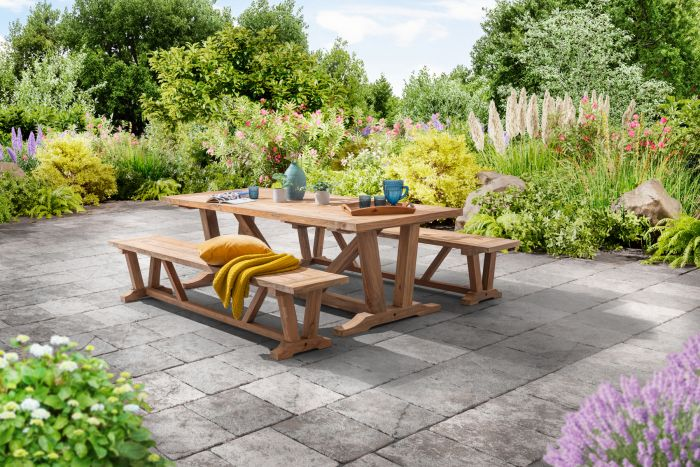
The Foundation: Choosing the Right Wood for Your Climate
One of the first considerations when buying wooden garden furniture is the type of wood. The choice of material significantly affects aesthetics, maintenance requirements, and longevity. Below are popular wood options worth exploring for outdoor use.
Teak
Widely regarded as the gold standard for outdoor furniture, teak has natural oils that make it highly resistant to moisture, insects, and rot. Premium outdoor teak dining furniture maintains its structural integrity even in humid or wet climates, ageing beautifully into a silvery patina over time. Teak’s durability often justifies its higher initial cost, as minimal maintenance can keep it looking striking for decades.
Acacia
Acacia is a popular alternative to teak, offering a warm, rich grain and great value. It’s naturally water-resistant when treated properly. However, it requires regular sealing or oiling to extend its lifespan. Acacia lends itself beautifully to modern designs and expressive natural finishes.
Eucalyptus and Other Hardwoods
Eucalyptus is another hardwood frequently used for sustainable garden furniture, when properly maintained, it withstands a range of outdoor conditions. Other hardwoods, such as mahogany or shorea, offer deep tones and elegant finishes, though they may require extra sealing to remain weather-resistant.
Softwoods like Pine and Cedar
Softwoods such as cedar or pressure-treated pine appeal to buyers seeking lighter furniture or specific rustic styles. Cedar naturally resists decay and insects, making it suitable for covered or semi-sheltered outdoor areas. Pressure-treated pine, while budget-friendly, requires more frequent sealing to prevent weathering or warping.
How Wood Ages: Colour Changes, Patina & Natural Weathering
All outdoor woods change appearance over time, and understanding how each type ages helps you choose a finish that suits your style. Most hardwoods gradually develop a natural silver-grey patina when exposed to sunlight and rain, a look many homeowners love for its coastal, weathered charm. Teak is the best-known example: initially warm and honey-gold, it fades elegantly to a pale silvery tone if left untreated.
If you prefer to maintain the original colour, regular oiling or sealing will slow this transition and keep the wood looking rich and vibrant. Different woods age in distinct ways:
- Teak: Turns from golden brown to a classic silver-grey; naturally even ageing.
- Acacia: Can lighten and soften in tone; benefits from oiling to retain its richer, darker colour.
- Eucalyptus: Ages to a soft grey but may show variation if not maintained consistently.
- Cedar & Pine: Lighten significantly and may develop a rustic, sun-washed look.
Whether you embrace the natural patina or preserve the original finish, knowing how each wood weathers outdoors ensures you choose a style that fits your preference and helps you plan the right maintenance routine.
Design Secrets: How to Ensure Style Meets Year-Round Comfort
Beyond durability, consider the design, ergonomics, and overall comfort of your chosen wooden garden furniture. Outdoor furniture should invite relaxation while enhancing the style and flow of your garden and home exterior. Paying attention to details such as seat height, backrest angle, arm support, and even the weight of each piece ensures your outdoor setting is both comfortable and practical year-round.
Dining Furniture for Social Spaces
For entertaining family or guests outdoors, a high-quality outdoor teak dining furniture set is ideal. Teak’s strength allows for sturdy, stable tables and chairs that feel reassuringly solid when in use. When choosing dining seating, look for ergonomic features such as a supportive backrest and comfortable armrests that make it easy to sit and stand.
Heavier hardwood furniture, particularly teak, is less likely to shift in wind or wobble on uneven surfaces, making it perfect for open patios, stone terraces, and large garden areas. A well-crafted dining ensemble balances function and flair, elevating any outdoor meal.
Relaxation and Lounge Comfort
If your outdoor space is geared toward relaxation, wooden garden lounge furniture can transform it into a calm, inviting retreat. For true comfort, look for gently reclining backrests, contoured armrests, and deep seats that support a more laid-back posture. Outdoor-grade cushions add additional softness but should be quick-drying and UV-resistant to maintain their colour and shape.
Ergonomics matter even more in lounge pieces the backrest angle should encourage a natural, pressure-free seating position. At the same time, the seat depth should allow you to sit comfortably without feeling perched or sinking too far back.
Benches for Style and Versatility
Wooden benches bring both beauty and practicality to any garden. Whether placed under a tree, beside a path, or paired with a dining table, they offer flexible seating options for both intimate and social settings. When selecting a bench, pay attention to seat width, curvature, and back support to ensure long-term comfort.
Benches tend to be lighter than full lounge sets or dining tables, making them easier to reposition, a useful feature for shaded gardens or multifunctional spaces.
Tea and Coffee Corners
Compact teak garden tables paired with smaller benches or chairs are perfect for relaxed breakfasts or quiet coffee moments. Their solid build means you can keep them outdoors without worrying about wobbles, joint cracks, or deformation.
Measure Twice: Planning Your Layout for Flow and Function
Before choosing wooden garden furniture, take time to assess how the pieces will fit and function in your outdoor area. Start by measuring your patio, deck, or lawn and mapping out where furniture will sit. Leave enough clearance for walking paths, chair movement, and access around tables.
Think about how you’ll use the space:
- Entertaining: You may need a larger dining set and seating that allows guests to move comfortably.
- Relaxing: A lounge set requires more footprint and careful positioning to make the area feel open, not crowded.
- Family or pets: Opt for smooth edges, stable frames, and durable woods that can handle frequent use.
Also consider environmental factors such as sun exposure, wind direction, and whether your furniture will sit on hard surfaces or grass. Placement affects longevity. Furniture placed on uneven ground, in soil, or in constantly shaded/ damp areas may age faster.
Built to Last: The Essential Guide to Year-Round Weatherproofing
Weatherproofing is one of the most important factors to consider when buying wooden garden furniture. Even the most resilient hardwoods benefit from routine protection to maintain their integrity, stability, and colour throughout the seasons.
Natural Oils and Sealants
Teak’s natural oils are legendary, but applying additional sealants or teak oil can help preserve its warm golden tone and slow the ageing process. For woods like acacia or eucalyptus, seasonal oiling is essential to prevent drying and cracking.
Varnish and Lacquer Coatings
Clear varnish or lacquer provides an added layer of defence against moisture and UV rays. These coatings create a smoother, glossier finish while sealing the wood from the elements, ideal for shaded or partially covered areas.
Furniture Covers
Use breathable, waterproof covers during wet or cold months. Breathability is key: non-ventilated covers can trap moisture, encouraging mould or mildew on both the wood and cushions.
Indoor Storage
When possible, store furniture in a shed, garage, or outbuilding during the harshest winter periods. Indoor storage dramatically extends the life of softer woods such as pine and cedar.
Seasonal Care: Simple Steps for Decades of Durability
Where and how you position your wooden garden furniture plays a major role in its longevity. Avoid placing furniture directly on grass, soil, or constantly damp areas, where moisture can accumulate beneath the legs, encouraging rot, mould, and even pests such as termites. Hard, well-drained surfaces like patios, decking, or gravel are more suitable and promote consistent airflow around the wood.
During autumn and winter, reposition furniture to more sheltered areas when possible. Elevate pieces slightly using rubber feet or protective glides to reduce moisture absorption from the ground. Remove cushions, store them indoors, and ensure that any covers are secured but ventilated.
If leaving furniture outside year-round, check it regularly through winter for pooling water, trapped debris, or signs of swelling. A quick clean and dry during the colder months helps prevent long-term damage and ensures your furniture is ready for use in spring.
Quick Winter Care Checklist
- Move furniture to a sheltered spot (patio cover, porch, or conservatory) whenever possible.
- Avoid placing pieces directly on grass or soil to prevent moisture absorption and pest activity.
- Use breathable, waterproof covers, never fully airtight ones.
- Remove all cushions and fabrics and store them indoors.
- Raise furniture slightly using rubber feet or protective glides to improve airflow.
- Check regularly for pooling water on surfaces or between slats.
- Clean off fallen leaves, debris, and bird droppings to avoid staining and mould.
- Lightly oil or seal wood before winter for an extra layer of seasonal protection.
- Inspect joints and metal fittings for early signs of rust or swelling.
- Let furniture dry fully before covering to prevent mildew.
Maintenance and Care Tips
Even the most robust outdoor furniture will benefit from periodic care. Follow these maintenance steps to preserve your furniture’s appearance and durability.
- Regular cleaning: Use mild soap and warm water to remove dirt and pollen. Avoid abrasive cleaners that strip the natural oils.
- Sanding and refinishing: Lightly sand and re-oil furniture each season to prevent surface drying or cracking.
- Prevent metal corrosion: If your furniture features iron or brass fittings, apply anti-rust solutions where needed.
- Upholstery care: Clean outdoor cushions using fabric-safe washing to maintain colour and comfort.
Beyond Aesthetics: The Importance of Ethical and Sustainable Sourcing
Ethical sourcing is a growing priority. Look for furniture made from FSC-certified wood, ensuring your purchase supports sustainable forestry. Many manufacturers recycle offcuts or use eco-friendly finishes, aligning beautifully with modern green living values. Choosing eco-conscious wooden garden furniture not only supports the planet but also ensures greater product transparency and quality assurance.
Cost vs. Value: Finding the Balance Between Price and Long-Term Quality
When buying wooden garden furniture, consider cost as an investment rather than a simple expense. Teak and other premium hardwoods carry higher price tags but offer remarkable durability and lower long-term maintenance. In contrast, more affordable materials like acacia or pine may cost less upfront but require more frequent resealing and replacements. The key is to balance your budget with your lifestyle; a premium bench or dining set can often save money across decades of use.
Buyer Beware: 5 Costly Mistakes to Avoid Before You Buy
Even high-quality wooden furniture can disappoint if buyers overlook a few key factors during the selection process. Here are the most common mistakes to avoid:
Avoid selecting untreated softwoods, such as pine, for fully exposed areas. These materials weather quickly unless regularly sealed.
2. Forgetting to Measure Your Space
Skipping measurements is one of the biggest buyer regrets. Always check the full footprint of tables, chairs, and benches, and ensure at least 60–90 cm of clearance for movement.
3. Not Checking Joints and Construction Quality
Loose joints, thin frames, or low-quality screws reduce longevity. Look for robust joinery such as mortise-and-tenon construction and rust-resistant fittings.
4. Ignoring Sustainability Credentials
Always verify FSC certification or other responsible sourcing labels to ensure ethical and traceable wood production.
5. Using Non-Breathable Covers
Tight, non-ventilated covers trap moisture and encourage mould. Choose breathable, waterproof covers that allow airflow.
Practical Buying Checklist
Use the following checklist to evaluate furniture before finalising your purchase:
- Confirm the type of wood and its weather resistance.
- Inspect joints, screws, and construction quality for stability.
- Check finish treatments and maintenance instructions.
- Evaluate comfort and support, especially for seating.
- Compare warranty coverage and supplier reputation.
- Ensure sustainable and ethical sourcing credentials.
Where to Shop for Quality Wooden Garden Furniture
When ready to select your perfect pieces, browsing high-quality collections from trusted retailers ensures confidence in your investment. Explore options such as teak dining sets, elegant garden tables, and stylish wooden lounge suites that combine comfort, craftsmanship, and environmental responsibility. Choose pieces that reflect your outdoor lifestyle and complement your garden’s layout.
Final Thoughts
From wood types to weatherproofing, there’s plenty to consider when buying wooden garden furniture. Quality craftsmanship, responsible materials, and good maintenance habits all contribute to furniture that stands the test of time – adding warmth and character to your garden retreat. Whether you opt for a resilient bench, a stately dining set, or relaxing lounge chairs, you’ll enjoy endless comfort when your choices are informed and thoughtful.
Ready to elevate your garden with stunning, durable wooden furniture? Explore our collection today and get expert advice on what to consider when buying wooden garden furniture. For personalised guidance or enquiries, contact our team today — we’re here to help you choose the perfect piece for your outdoor haven.
