


Share
Bats in UK gardens are a surprisingly common occurrence. For example, did you know that the 17 breeding species of bats in UK gardens make up almost a quarter of our mammal species[i]?! However, despite their commonplaceness, many people are still somewhat wary of having bats in their garden. We’re here to clear up that worry and show you why having bats in your garden is a good thing!
If you already have bats in your garden, you may wonder if you should keep them around. Well, the answer is yes! Bats bring many benefits to your garden, which we will explore in this article. On the other hand, if you’re hoping to encourage bats into your garden, we have some tips and tricks to help you.
So, here’s everything you need to know about bats in UK gardens and how to attract these flying mammals to your property.
Are Bats Good For Gardens?
Bats may be popular animals around Halloween, but the benefits they bring to your garden make them worthy of much more than a creepy decoration element throughout October. Here are some surprising benefits of bats in UK gardens and why you should definitely consider attracting them to your property:
- Bats Are Nightly Pollinators – Like butterflies and bees, bats help to pollinate flowers. They are attracted to the nectar of plants, and when those daytime pollinators have returned to their homes and hives for the night, bats are only just emerging to take over pollinating duties. Over 500 species of plants rely on bats for pollination[ii], so having bats on your property will lead to healthier flower beds.
- Bats Eat Many Pests – The main diet of bats is insects, such as mosquitos, flying beetles, moths and gnats. They are prolific night-time hunters and, as primary predators for these kinds of insects, a population of bats on your property can stop these pests from destroying your garden. Additionally, with bats acting as natural pest control, you can reduce your use of harmful pesticides in your garden.
- Bats Produce Fantastic Fertiliser – Bat excrement is known as guano and makes for excellent fertiliser. Bat guano comprises roughly 10% nitrogen, 3% phosphorus and 1% potassium[iii]. Nitrogen helps plants thrive and encourages their bright green colouring, phosphorus boosts root growth, and potassium promotes strong, healthy stems. So, with bats in your garden, you can expect their long-lasting guano to increase the growth of your plants significantly.
What Bats Are In The UK?
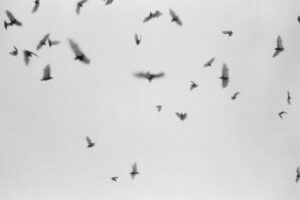
There are 18 species of bats in the UK, although only 17 of these species are currently breeding here. The most common bats in UK gardens are the Common Pipistrelle and the Noctule. Here are all 18 species of bat that are known to live in the UK:
- Alcathoe Bat
- Barbastelle Bat
- Bechstein’s Bat
- Brandt’s Bat
- Brown Long-Eared Bat
- Common Pipistrelle Bat
- Daubenton’s Bat
- Greater Horseshoe Bat
- Grey Long-Eared Bat
- Leisler Bat
- Lesser Horseshoe Bat
- Nathusius’ Pipistrelle Bat
- Natterer’s Bat
- Noctule Bat
- Serotine Bat
- Soprano Pipistrelle Bat
- Whiskered Bat
What Time Do Bats Come Out?
Bats are active throughout the night and usually come out not long after dusk. Then, they will hunt and feed for an hour or two before resting a while and emerging once more for a final feed before daybreak. So, if you’d like to witness bats, the best time to do so is around dusk.
Where Do Bats Go During The Day?
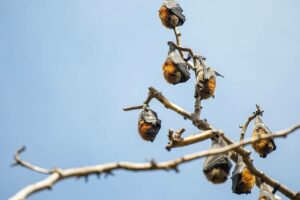
During the day, bats shelter in a roost or a dark place large enough to hold them. Many bats make their roost in areas like roof spaces, under tiles, hollow trees, loose bark, tree branches or split tree trunks. A roost can be made up of any number of bats at one time. For example, a roost may hold only one individual bat or as many as 50 if it is a maternity roost[iv].
Are Bats Blind?
The common phrase ‘blind as a bat’ is surprisingly untrue. Bats are not blind; they have tiny eyes that allow them to see in conditions we humans would call pitch black. In fact, most experts believe that bats have one of the keenest eyesights on the planet, certainly better than most humans. Fortunately, this means you don’t have to worry about bats flying into your windows at night!
However, bats rely on a combination of sight and excellent hearing to get around and locate prey. Bats use a phenomenon known as echolocation to make their way through the night. Echolocation relies on individual bats making clicking noises as they fly. Their acute sense of hearing allows the bats to hear the echoes of their sounds bouncing off potential obstacles, helping them to avoid them.
How To Attract Bats In UK Gardens
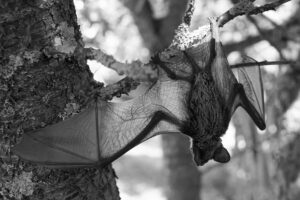

So, now we’ve covered the benefits of bats in UK gardens and discovered their habits, you may be wondering how to attract these beneficial animals to your garden. Luckily, there are several ways for you to go about this. Here are four ways to attract bats to your garden:
Build A Bat House
Bats are more than capable of finding their own roosting spots; however, they are becoming a vulnerable species due to habitat loss and the destruction of their roosts. Although bats and their roosts are protected by law, this isn’t always enough. So, give them a safe, undisturbed place to roost in your garden by building a bat house! Putting up a bat house in your garden will provide visiting bats with a safe place to roost, raise their young and shelter during the day.
Of course, you can buy a bat house, but building your own is a fantastic outdoor DIY project and a perfect learning opportunity for children. The project is quite advanced, so if your children want to get involved in a small way, ensure you supervise them at all times.
How To Attract Bats To A Bat House
Once you have made or bought your bat house, it will need some bats! However, the placement of your bat house is vital to attracting potential roosters. Fortunately, there are a few things you can do to attract bats to a bat house, including:
- Place Your Bat House High – Bats need height to drop down before they can catch flight, so ensure you place your bat house at least 15 feet from the ground, so they don’t run into predators as they drop.
- Don’t Mount It On A Tree – Hanging your bat house on a tree may seem like a good idea, but it’s one you should avoid. Tree-mounted bat houses are open to predators and provide too much shade for bats.
- Hang It In A Warm Spot – Bats lose a large amount of heat through their skin, which they replace by eating thousands of insects at night. However, they won’t appreciate a cold bat house when they return to their roost for the day. So, make sure to hang yours in a south-facing position to ensure it gets plenty of sun to keep its hosts warm.
- Check Your Bat House Regularly – Unfortunately, other animals, including bees and wasps, may take up refuge in your bat house. So, check it regularly until you’re sure you have bats roosting in there – you don’t want to disturb them after working so hard to invite them in!
Remove Artificial Lighting
One of the most obvious things restricting bats in UK gardens is the presence of artificial light. As nocturnal animals, bats depend on the darkness for their safety and survival. So, if artificial light falls on or close to a bat roost, it can cause a myriad of problems for them, such as:
- A delay in or prevention of bats emerging from roosts
- Less prime foraging and feeding time
- Bats abandoning their roost
- Bats becoming entombed in their roost
- Loss of potential foraging grounds
- Affected foraging and commuting pathways
So, to encourage bats to inhabit and remain in your garden, try and reduce as much artificial lighting as possible. Of course, removing artificial lighting altogether is the most straightforward way of doing this. However, experts are working on bat-friendly lights that you may want to consider using instead.
Plant Some Bat-Friendly Plants

Since bats feed on a range of insects, having insect-attracting plants is vital to encouraging bats into your garden. Many night-scented flowers have a particular effect on bats in UK gardens. Some beautiful night-scented flowers you could plant in your garden to attract bats are:
- Evening primrose
- Cherry pie
- Tobacco plant
- Night-scented stock
- Night-scented catchfly
- White jasmine
- Sweet rocket
Let Your Hedges Grow
Wild, untrimmed hedges benefit a range of wildlife, from hedgehogs to birds. However, hedgerows are particularly important to bats since they provide shelter, food and landmarks to help individual bats’ orientation. Additionally, untrimmed hedges attract more insects, providing a richer feeding source for bats. So, throughout summer, try to hold back on trimming your hedges to give bats a safe place to hide.
Boosting Populations of Bats In UK Gardens
Here at Sloane and Sons Garden Benches, we believe that bats are one of the most important animals you can have in your garden. Not only are they prolific pollinators, but they also help control pests and fertilise plants – how much more beneficial could you get?! So, help boost the population of bats in UK gardens by following some of our tips.
Do you have any experiences with bats in your garden? We want to hear your stories!
Sources
[i] https://www.bats.org.uk/about-bats/what-are-bats/uk-bats
[ii] https://www.bats.org.uk/about-bats/why-bats-matter/bats-as-pollinators
[iii] https://www.batcon.org/article/guano-bats-gift-to-gardeners/
[iv] https://www.batconservationireland.org/irish-bats/bat-roosts

Anna is the marketing and office manager for Garden Benches – a premium supplier of high-quality wooden benches and other outdoor furniture.
