

Autumn Garden Jobs: 9 Essentials To Prepare For Winter

Share

Autumn is here! it’s time to switch up your garden for the cooler months ahead. This season isn’t just about harvests—it’s about future planning for a vibrant, prosperous spring.
There is a lot to love about autumn, from the wondrous colours of leaves that fall from the trees, to cosy evenings in front of a log fire whilst enjoying a pumpkin spice drink with a spooky horror film in preparation for Halloween. However, for gardeners, there is no rest for the wicked, and there is a lot to prepare your garden for.
In this article, you will understand what essential autumn gardening jobs are needed to ensure your garden is futureproof for the coming year, from nurturing lawns and planting bulbs to protecting delicate plants. Discover how timely tasks like mulching, pruning, and garden maintenance can ensure your garden is prepared for winter.
Key points:
- Learn effective techniques for autumn lawn care and new plantings.
- Explore the best practices for mulching and soil preparation.
- Identify key tasks for fruit and vegetable care through the cooler months.
- Understand how to protect and manage perennials, shrubs, and trees.
- Get insights into preparing your garden for winter’s challenges.
1. Fruit and Veg

Autumn in the garden is a crucial time for preparing your fruit and vegetable plots for the coming year.
Begin by taking cuttings of hearty shrubs such as rosemary, lemon verbena, and thyme. These can be potted and kept in a sheltered area to root over winter.
For fig trees with unripened fruit, remove the larger fruits, leaving only the pea-sized ones which will have a head start next season.
Sowing green manure crops like winter rye can significantly improve soil fertility and structure over the colder months, preventing erosion and suppressing weed growth.
Similarly, cover salad plants with cloches to extend their productivity into the cooler months.
For a jumpstart on next year’s produce, keep sowing batches of hardy broad beans and peas. These should be planted directly outdoors and will yield an early crop come spring.
Garlic also benefits from autumn planting. Set cloves 15cm apart in a sunny, well-drained area, with the tips just 5cm below the soil surface.
As your summer crops wind down, finish harvesting runner and French beans, but leave a few pods on the plants to fully ripen and harvest seeds for next season.
Once the asparagus ferns turn yellow, cut them back to soil level and compost the remains. Now is also the time to divide and replant large clumps of perennial herbs like chives and marjoram.
Lastly, protect your fruit trees from pests by wrapping grease bands around the trunks of apple, pear, cherry, blackberries, and plum trees. Also cut the stems on these plants where needed. This simple step helps trap the crawling female winter moth and prevent future infestations.
Be sure to plant these vegetables for winter.
2. Mulch

Mulching is one of the most beneficial autumn gardening jobs and an essential ingredient for providing nutrients to your plants during colder months.
The residual warmth and moisture in the soil creates an ideal environment for mulch to work its magic.
Use organic materials like wood chips, grass clippings, and fallen leaves to lay a thick layer around trees, shrubs, and perennials.
This not only retains moisture and suppresses weeds but also enriches the soil as it decomposes.
3. Flower Care and Winter Preparations

Autumn is the perfect time to plant a variety of spring bulbs.
Arrange crocuses, daffodils, and fritillaries informally across your lawn to ensure a colourful spring display.
For tender plants like cannas and chocolate cosmos, lift and store in cool, dark conditions to protect them from frost damage.
Revitalise your garden’s appearance by planting winter-flowering plants like heathers, cyclamen, and skimmia in pots. Ensure that all pots are raised off the ground to prevent waterlogging during winter rains.
Deciduous shrubs that have outgrown their space or are in less than ideal locations should be moved now, while the soil is still warm. Protect sensitive plants like banana plants and tree ferns with layers of fleece or straw to shield them from harsh frosts.
Furthermore, don’t forget to prune your shrub roses to reduce windrock during winter storms, and take hardwood cuttings from ornamental trees and shrubs to propagate new growth. Pruning will aid in keeping your hedges and shrubs neat and tidy, whilst also promoting future growth of fruit buds, flowers, and greater harvests.
4. House Plant Care

Autumn gardening extends indoors, too, where the care for houseplants will need adjusting with the changing season.
Start by feeding your house plants with a liquid fertiliser weekly, continuing through autumn to support their growth before winter. It’s the perfect time to repot moth orchids that have outgrown their current confines, ensuring they have ample space to thrive.
Be sure to water your indoor plants less frequently and remove them from cold window sills at night to avoid chill damage.
Planting hippeastrum bulbs now ensures vibrant blooms during the festive season, adding colour and life to indoor spaces.
Bring any house plants that may have been positioned outdoors inside. Check each plant for pests such as aphids and mealybugs and treat accordingly to prevent infestations from spreading indoors.
Increase the ambient humidity for tropical plants and ensure that those requiring low light are placed in appropriate conditions. Regularly dust off large-leaved plants like snake plants to keep them healthy and efficient at air purification.
5. Greenhouse Management

Stable garden environments such as polytunnels and greenhouses can often provide the perfect scenario for maintaining a warm, protective atmosphere for your plants.
Begin by cleaning out any plant debris that could harbour pests and diseases over winter.
Wash the glazing or protective polythene covers inside and out to maximise the light entry, crucial during the shorter days of autumn.
Tropical plants such as banana and pineapple lilies should be moved inside the greenhouse or polytunnel to protect them from cold snaps.
Pot hippeastrum bulbs and place them on warm window sills inside for a burst of colour by Christmas.
Likewise, potted citrus plants and fuchsias need to be kept frost-free but cool to ensure their survival and blooming in the following season.
If you are looking for ways to improve your winter salads, sow quick-growing microgreens which can be harvested within weeks.
For prolonged productivity, insulate your greenhouse with bubble wrap and install a water butt or a drip irrigation system to collect autumn rain, optimising your water resources.
6. Autumn Garden Maintenance

Autumn gardening jobs also involve rigorous garden maintenance to prepare for the winter.
Leaves are a great starting point. Use a rake to collect these from lawns and paths, storing them in a leaf mould bin where they will break down and provide you with a rich, organic mulch for the next year. Even if you want to keep your patio clean in the autumn, you will have to keep track of leaves falling on it as well.
Check garden sheds and other outbuildings to ensure they are waterproof and secure; this will protect your tools and equipment from the elements. Prioritise cleaning garden tools.
Applying an autumn lawn feed revitalises the grass, helping it recover from summer and withstand the cold months ahead.
Autumn is also the right time to perform maintenance on your ponds and water features, removing any algae-promoting materials like barley straw. Additionally, spikes aerate your lawns to improve drainage, particularly important in areas where compacted soil could lead to waterlogging during winter rains.
And don’t forget, prepare for the first frosts by storing sensitive ceramic and glazed pots indoors and covering perennial beds with mulch to insulate plant roots. Monitoring the presence of snails, slugs, and other pests will help reduce their populations before they can take refuge from the cold and further damage your crops.
7. Sowing a New Lawn
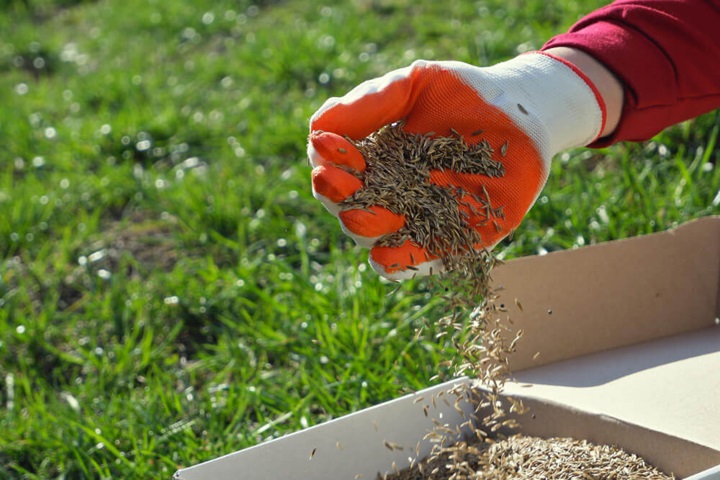
Sowing a new lawn in autumn is cost-effective, with the cooler temperatures aiding rapid seed germination.
Begin with thorough soil preparation: clear any weeds, dig over the area, and enrich with organic matter.
After letting the soil settle, rake it smooth and sow the grass seeds evenly. Keep the soil moist and avoid foot traffic on the new growth for about a month.
You will also need to mow the lawn a final time prior to sowing a new one, since you will unlikely be able to cut grass once the snow falls.
8. Beds & Borders

Autumn is also the time to tidy up your beds and borders.
Remove dead foliage and weeds to prevent them from becoming overwintering sites for pests. After cleaning, mulch your beds with manure to protect and nourish the soil, helping to insulate plant roots from the cold.
9. Create Homes For Wildlife

As autumn approaches, wildlife will be looking for places to hibernate. Therefore, you should curate little homes where necessary for them by gathering those unwanted fallen leaves and branches, and build or decorate them around the quieter areas of your garden. The birds and hedgehogs would greatly appreciate these efforts.
Building a log pile in your garden not only aids in decomposing organic matter but also provides a crucial habitat for wildlife, and is a fun activity with kids when building a bug hotel.
Use Sloane & Sons Garden Benches For Your Garden All Year Round
Our bespoke garden benches are specifically designed using natural teak wood materials so that the furniture can naturally blend into any environment throughout each season, including autumn. Be sure to keep your furniture protected with our garden accessories so that they can be easily prepped for the following year.
Even if you are planning some evening activities in the garden during autumn, pick our unique fire pits so that your family and friends can keep toasty whilst enjoying some hot food whilst watching the fireworks.
Secure Your Garden’s Future With These Autumn Gardening Jobs
Embracing the essential chores of autumn gardening prepares your garden for the colder months and sets the stage for spring growth. From meticulous lawn care and planting to preparing beds, borders, and houseplants, each task contributes to a healthier, more vibrant garden. Implementing these practices ensures that your outdoor space remains a place of beauty and tranquillity, even as the seasons change.
You can find more insightful gardening tips on our blog.
FAQs
Reduce watering as the weather cools, since plants require less moisture due to lower evaporation rates. Water in the morning to ensure that plants stay dry overnight, which helps prevent diseases.
Plant bulbs such as daffodils, tulips, crocuses, and hyacinths in the autumn. Ensure they are planted at the correct depth, which is typically three times the height of the bulb, and in well-drained soil to prevent rot.
Autumn lawn care includes raking to remove thatch, aerating compacted soil, applying a fall lawn fertiliser to encourage root growth, and overseeding to fill in bare patches.
Sources
Thompson & Morgan. (2011) Top 10 Winter Vegetables in the UK. [online] Available at: https://www.thompson-morgan.com/top-10-winter-vegetables [accessed 05/09/2024]
