

How to Care for Teak Garden Furniture: Sloane and Sons’ Complete Seasonal Guide

Share

One of the most frequently asked questions from customers who have invested in quality outdoor furniture is how to look after it properly. The good news is that teak is one of the most forgiving hardwoods available for garden use. Whether you have a set of wooden benches, a full outdoor teak dining furniture collection, or a wooden garden lounge furniture set, the core principles of teak care are the same. This guide takes you through what to do across the year.
Understanding Teak: Why It Needs So Little Maintenance
Grade A teak contains a high concentration of natural oils and silica, which make it highly resistant to the conditions that damage most outdoor timber: moisture, UV exposure, frost, and insects. Unlike softwoods such as pine, teak does not need to be painted, stained, or heavily sealed to survive outdoors. Left completely untreated, it will outlast most other materials used for garden furniture.
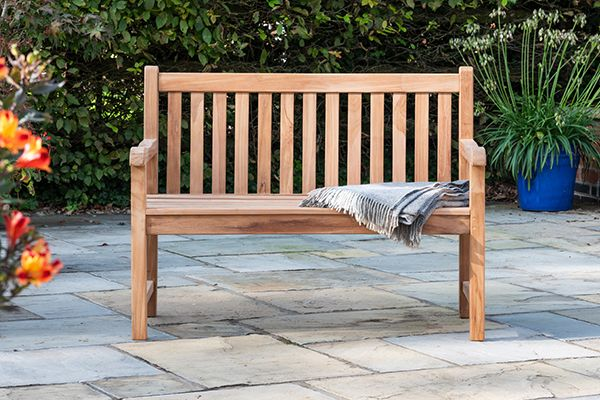
The main change you will notice over time with untreated teak is a colour shift from the original warm golden-brown to a silver-grey patina. This is a purely cosmetic development that does not indicate any deterioration in the wood. Many customers actively prefer this weathered look. If you do prefer to maintain the original colour, that is achievable with the right products and routine.
Spring: Preparing Your Furniture for the Season
Spring is the ideal time to inspect and clean your teak furniture after the winter months.
Cleaning
Use a soft brush or cloth with a mild solution of washing-up liquid and warm water to remove any surface dirt, mould spots, or pollen. Work along the grain of the wood rather than against it. Rinse thoroughly and allow the furniture to dry fully before applying any treatment.
For more significant greying or staining, a teak cleaner applied before oiling will lift the surface layer and reveal the fresher wood beneath. This is particularly useful if the furniture has been stored uncovered over winter.
Applying Teak Oil (If Required)
If you want to restore or maintain the golden colour of your teak, spring is the best time to apply teak oil after cleaning. Apply evenly with a cloth or brush, work along the grain, and allow each coat to absorb fully before applying a second if needed. Avoid over-application as excess oil can become sticky and attract dust. See our teak protection range for suitable products.
Summer: Keeping Furniture Looking Its Best
During the peak outdoor season, the main task is keeping the furniture clean. Wipe down surfaces regularly to remove food spills, bird droppings, and general debris. Teak’s natural oil content means that most surface marks can be removed with a damp cloth.
If you have cushions with your furniture, bring them indoors or store them in a dry place when not in use for extended periods. Our garden bench cushions are made with compressed fibre filling that drains quickly after rain, but prolonged damp storage is best avoided. Cushion covers are zipped and washable.
Autumn: Protecting Before the Weather Changes
As the outdoor season winds down, it is worth spending a little time protecting your furniture against the wetter months ahead.
Cleaning Ahead of Storage or Covering
Give the furniture a thorough clean before the weather deteriorates. This is particularly important if you plan to cover it, as covering furniture while it still has surface dirt or moisture can encourage mould growth underneath.
Covers
If your teak furniture will remain outdoors through autumn and winter, fitting a properly sized garden bench cover will protect it from leaf stain, heavy rain, and frost. Our covers are water-resistant and available in sizes to suit the range of bench and seat widths in our collection.
Winter: What Teak Can and Cannot Handle
Teak can be left outdoors through a UK winter without damage to the timber itself. Frost, rain, and wind will not harm Grade A teak. What they can damage are cushions and any metal fixings, so removing these for storage is advisable.
If you do choose to store your teak furniture indoors over winter, ensure the storage area has some airflow. Completely sealed, airtight storage can cause condensation to build up on the surface of the wood. A shed or garage with reasonable ventilation is ideal.
When to Oil Teak Garden Furniture
There is no fixed rule, but once a year is a reasonable routine for those who want to maintain the golden colour. The best time is spring, after cleaning and once the furniture is fully dry. If you are happy with the silver-grey patina that develops naturally over time, you can skip oiling entirely without causing any harm to the furniture.
Furniture-Specific Advice
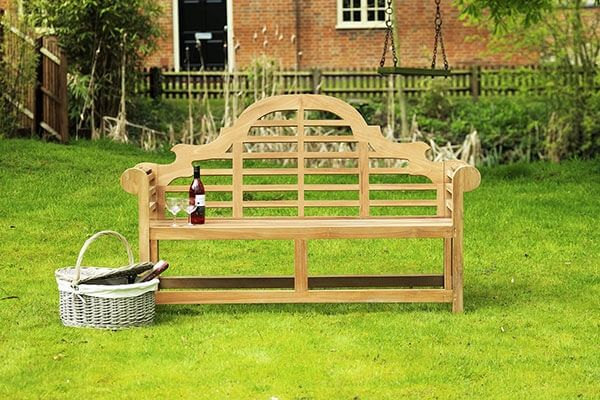
If you own a teak sun lounger or steamer chair, pay particular attention to the moving parts: the adjustable backrest hinges and wheel axles. Wipe these clean regularly and check that the joints are secure. For wooden benches in more exposed positions such as on a lawn or in an open garden, an anchor kit can be used to secure the furniture in place. See our anchor kits for details.
