

From Shade to Sunshine: Where to Place Garden Furniture for Maximising Your Space

Share

When it comes to creating a welcoming and functional outdoor retreat, one of the most important decisions is where to place garden furniture. Thoughtful positioning can transform your patio, balcony, or lawn into a space that works beautifully for relaxation, dining, and entertaining. By balancing sunshine, shade, comfort, and design, you can enjoy your garden to the fullest all year round.
We explore the essential considerations that will help you make the most of your outdoor setting.
Finding the Perfect Spot: Location Matters
The first step in deciding where to place garden furniture is understanding how your outdoor space works throughout the day. Observe where the sun falls in the morning and afternoon, and identify shaded areas for those moments when you’d prefer to stay cool. A cosy corner under a pergola or a leafy tree makes a perfect retreat, while sunnier spots are ideal for loungers or a dining set.
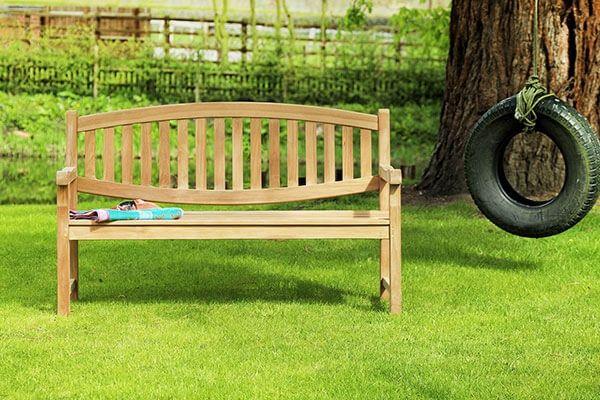
Privacy is equally important. Consider placing wooden benches in secluded areas of the garden to create a peaceful reading nook, or position dining furniture closer to the house for convenience. The location you choose will define how you use and enjoy your garden daily.
Comfort First: Make It Inviting
Once you’ve found the right spot, think about how to make it as welcoming as possible. Cushions, throws, and even an outdoor rug can instantly elevate the comfort level. Shade solutions such as umbrellas or sails provide relief on hot days, while fire pits and patio heaters can extend the enjoyment into cooler evenings.
Don’t overlook small details. A low table beside a lounger or outdoor furniture set makes it easy to rest a drink, while storage boxes keep cushions and accessories protected from the weather. By planning for comfort, you’ll naturally spend more time outside.
Divide and Conquer: Creating Functional Zones
One of the most effective ways to maximise your outdoor space is by dividing it into zones. For example, designate a dining area with a sturdy table and chairs, a lounging space with soft seating, and perhaps a more open section for entertaining or play.
Clear zoning helps avoid clutter while ensuring each area serves a distinct purpose. A dining table closer to the kitchen offers convenience, while a seating zone placed further away provides a sense of escape. Each zone can be styled differently while still tying together as a cohesive whole.
Small Garden, Big Ideas
If you’re short on space, deciding where to place garden furniture becomes even more important. Compact or multi-functional pieces, such as foldable chairs, stackable stools, or benches with built-in storage, can work wonders.
Consider positioning furniture against walls or fences to free up central space, or opt for vertical gardening features to bring greenery without encroaching on floor area. Even the smallest patio can feel expansive with the right layout and carefully chosen pieces.
Choosing Materials That Work for You
Your choice of furniture type and material will directly affect its durability and style. Outdoor furniture accessories, such as teak or oak benches, adds natural warmth and can last for years with proper care. Metal pieces often provide a modern, industrial look and require less maintenance, while rattan and wicker bring a casual, laid-back charm.
The climate in your area also plays a role. Wooden furniture may need seasonal treatment, while lightweight synthetic materials are easier to move around depending on the weather and your needs. Choosing wisely ensures your furniture not only looks the part but also withstands the elements.
Planning the Layout
Before investing in new furniture, take the time to measure your space. Sketching layouts on paper can highlight potential arrangements and help you avoid overcrowding. Remember to leave room for movement – dining chairs need space to slide out, and pathways should remain clear.
A balanced layout can make even modest gardens feel harmonious and spacious. Consider flow: does your seating area feel naturally connected to your dining area, or does one space feel cut off? Planning ahead prevents awkward placement and ensures everything feels intentional.
Style That Blends with Nature
Finally, think about how your furniture integrates with the overall design of your garden. Rustic wooden benches complement cottage-style planting, while sleek metal or dark-toned furniture adds sophistication to modern landscapes. Accessories such as lanterns, cushions, and planters can tie everything together for a polished, cohesive look.
The goal is to make your outdoor area feel like an extension of your home – a place where comfort, beauty, and functionality blend seamlessly.
Knowing Where to Place Garden Furniture
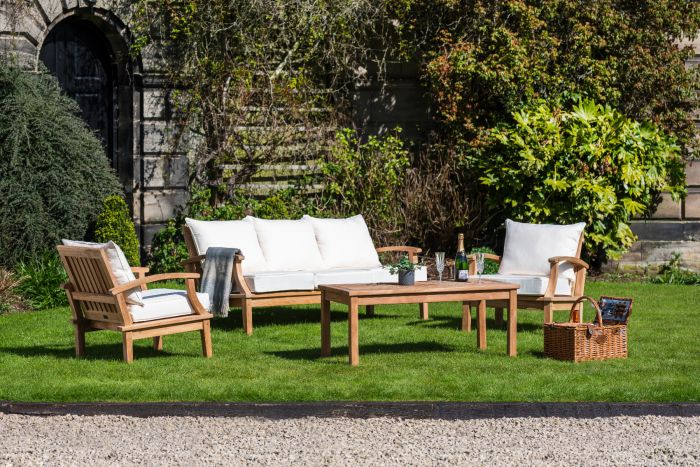
Knowing where to place garden furniture can completely transform the way you use your outdoor space. From finding the right location and enhancing comfort, to creating zones and planning layouts, every decision contributes to a garden that works perfectly for your lifestyle.
Whether you’re designing a large lawn, a cosy patio, or a compact balcony, thoughtful placement and styling will ensure your outdoor furniture looks good and feels even better. With the right approach, you’ll enjoy your garden from shade to sunshine, season after season.
