


Share

They might look cute darting across your lawn, but squirrels have big appetites and little boundaries. If you’ve noticed them around your garden or near your garden furniture, you’re not alone.
Squirrels are interesting creatures, but they can easily become a problem. Whilst it is nice to see them when you are out on a nature walk, if you notice them hanging around in your garden, there could be a reason. What does a squirrel eat, and could it be a problem for your outdoor space? Should you even feed squirrels in the garden? In this article, we’ll explore what squirrels like to eat, where they find food, and how their behaviour can affect your garden—especially if you have wooden benches or planters.
- Squirrels eat fruit, vegetables, nuts, seeds—and even bird eggs
- They often forage in gardens, bird feeders, bins, and crop fields
- Feeding squirrels can attract more and cause damage
- Red and grey squirrels have similar diets
- Protecting your benches and garden from squirrels can reduce long-term issues
- Are Squirrels Herbivores or Carnivores?
- What Do Squirrels Eat?
- What Does a Squirrel Eat When It Finds Human Food?
- What Nuts Do Squirrels Like to Eat?
- Where Do Squirrels Look for Food?
- Common Foraging Spots
- Should You Feed Squirrels in Your Backyard?
- Do Red and Grey Squirrels Eat the Same Thing?
- Foods Squirrels Don’t Usually Like
- Special Squirrel Feeds
- Where Do Squirrels Eat?
- Should You Feed Squirrels in Your Backyard?
- What Does a Squirrel Eat from a Backyard Feeder?
- What Are the Signs of a Squirrel Infestation?
- How to Avoid Attracting Squirrels
- Choose Whether Squirrels Are Your Friend or Foe In The Garden
- FAQs
- Sources
Are Squirrels Herbivores or Carnivores?
Most of the time, squirrels are herbivores. That means the bulk of what squirrels like to eat includes plants, fruits, seeds, and vegetables. However, squirrels are also known to be opportunistic. When food is hard to find—especially in colder months—some squirrels will eat bird eggs, insects, or even small animals if absolutely necessary.
Still, this behaviour is rare and doesn’t make them carnivores in the true sense.
Don’t let squirrels gnaw away at your garden furniture. Choose these garden bench covers to keep them protected
What Do Squirrels Eat?

Squirrels don’t follow a strict menu. What a squirrel eats often depends on what’s available in its local area and the time of year. Many squirrels store food for the winter months by burying it or hiding it in tree cavities. So, what do squirrels eat most often? The answer includes a wide mix of natural foods.
What do squirrels like to eat includes:
- Fruits – apples, grapes, watermelon, strawberries, blackberries, blueberries, raspberries
- Vegetables – carrots, broccoli, peas, squash, courgette
- Nuts – acorns, walnuts, hazelnuts, pecans, hickory nuts
- Seeds – sunflower seeds, pumpkin seeds
- Leaf buds and tree bark – especially in spring and early summer
- Bird eggs – occasionally, when other food is scarce
While these are all normal parts of a squirrel’s diet, they’re not picky when food is easy to access. Left unguarded, bird feeders, compost bins, and even rubbish bags can become fast food spots.
What Does a Squirrel Eat When It Finds Human Food?
Squirrels will often nibble on anything they find, but not everything is good for them. Junk food, chocolate, salted nuts, bread, and dairy can all cause health issues for squirrels. These items are high in sugar and salt and can lead to obesity, tooth decay, and even metabolic bone disease in squirrels.
So while it might seem harmless to let them snack on leftovers, it’s better for them—and for your garden—not to encourage it.
What Nuts Do Squirrels Like to Eat?
Nuts are a favourite. In fact, what squirrels like to eat the most are usually nuts they can crack open and stash away. These include:
- Acorns
- Walnuts
- Pecans
- Hazelnuts
- Almonds
- Beech nuts
- Pine nuts
- Macadamia nuts
If you’re growing any of these in your garden, it’s easy to see why a squirrel might take up regular visits.
Where Do Squirrels Look for Food?
Squirrels are constantly on the hunt for their next meal. While they may appear playful and distracted, they are surprisingly focused when it comes to finding food. So, what do squirrels eat in the wild? The answer starts with where they look.
Spotted holes in your garden? It’s not always squirrels—find out what animal is digging holes in your yard and how to tell the difference.
Common Foraging Spots
Squirrels are often found in areas that provide easy access to natural food. Their favourite foraging spots include:
- Hardwood forests with trees like oak, hickory, elm, and maple
- Fruit and nut orchards, where dropped produce is easy to scavenge
- Gardens and vegetable patches that offer seeds, berries, and root vegetables
- Backyard bird feeders, which are often raided for sunflower seeds and peanuts
- Public parks and campuses, where bins and scraps are easy pickings
If you’ve seen a squirrel dash across your fence or dig near your garden bench, they were probably looking for something to nibble or stash.
Should You Feed Squirrels in Your Backyard?
It’s tempting to leave out snacks, especially if you enjoy watching wildlife. But while it may seem harmless, feeding squirrels can actually cause more problems than you think.
Squirrels that find a reliable food source will start sticking around. That includes building nests nearby—in roof spaces, lofts, or wall cavities.
Once they’ve made themselves at home, they can chew through wood, wires, and insulation. So, while offering food might seem like a kind gesture, it can increase your chances of a squirrel infestation.
What does a squirrel eat when given the chance? Just about anything. And that includes things you’d rather they didn’t get into—like garden furniture cushions, bin bags, and stored bird feed.
Do Red and Grey Squirrels Eat the Same Thing?
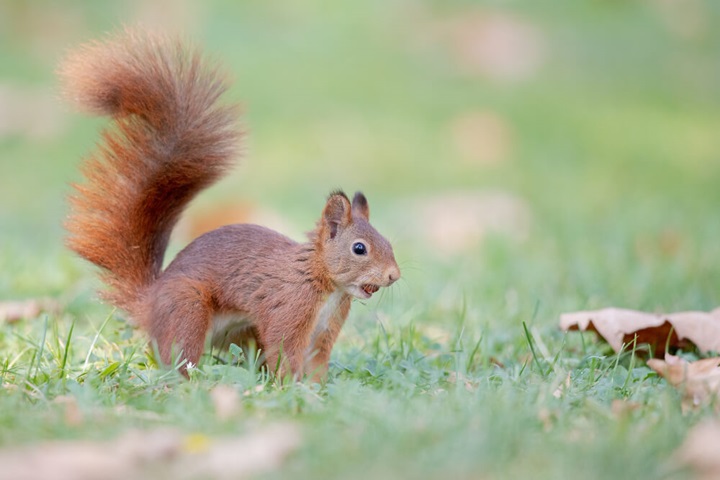
For the most part, yes. When it comes to what squirrels like to eat, both red and grey squirrels go for similar types of food—nuts, seeds, buds, and fruits. The main difference is memory. Grey squirrels are more likely to remember where they buried their food, while red squirrels often forget—giving grey squirrels the perfect chance to steal it.
However, whilst red squirrels have more or less disappeared in the UK, no thanks to the grey squirrel, gardeners will be less likely to combat issues with these particular breeds.
This gives grey squirrels an advantage in urban and suburban areas, where food competition is higher.
Foods Squirrels Don’t Usually Like
While squirrels will try most things once, there are a few foods they tend to avoid:
- Chilli peppers – too spicy for their taste buds
- Raw garlic and onion – the strong smell puts them off
- Certain flower bulbs – including allium, daffodils, snowdrops, and hyacinths
In fact, gardeners often sprinkle chilli powder around bird feeders to deter squirrels without affecting the birds.
Special Squirrel Feeds
There are now dedicated squirrel feeds available for those who do want to support wildlife in a safe, controlled way. These mixes typically include:
- Maize
- Sunflower seeds
- Oats
- Wheat
If you’re determined to offer food, avoid processed snacks or sugary treats. Stick to natural ingredients similar to what a squirrel eats in the wild.
Where Do Squirrels Eat?
Squirrels don’t always eat food right away. They hoard it, often burying items in the ground or hiding them in tree hollows. This helps them survive the winter when food is harder to find.
- Scatter Hoarding: Squirrels bury food in multiple locations. This method relies heavily on their memory to retrieve the hidden items later. It’s why you’ll often see them digging in plant pots or flower beds—even if they didn’t bury anything there in the first place.
- Larder Hoarding: In safer spots, like tree trunks or roof voids, squirrels may create larger food stashes. These are more likely to be defended, especially if they’re nesting nearby.
Unfortunately, if they find your attic, shed, or walls secure enough, they’ll move in. And once they do, they’ll start stockpiling—chewing through insulation and even furniture to create cosy dens.
Should You Feed Squirrels in Your Backyard?

It’s easy to understand why some people enjoy feeding squirrels—watching them dart around and crack open nuts can be fun. But offering food can come with unwanted consequences. If a squirrel finds a steady food source near your home, it may decide to stay.
Squirrels build nests close to food and water. Once they’re comfortable, they often look for sheltered spaces—like attics or sheds—to hoard food and raise their young. So even though it might seem kind, feeding them can lead to long-term problems.
Are birds causing a nuisance in the garden? Try these top bird deterrents.
What Does a Squirrel Eat from a Backyard Feeder?
If you leave out a feeder, what do squirrels eat from it? The usual suspects include:
- Fresh fruits and vegetables
- Nuts (unsalted and unroasted)
- Seeds like sunflower and pumpkin
- Insects (especially dried mealworms in winter mixes)
These foods are closer to what squirrels like to eat in the wild and are safer than bread, crisps, or sugary snacks. However, even when offering the right food, too much access can lead to dependency and mess in your garden.
What Are the Signs of a Squirrel Infestation?
If you’ve unknowingly encouraged squirrels with easy food, you might start to notice signs they’ve moved in:
- Scratching or rustling noises in the roof or walls
- Droppings in loft spaces or near entry points
- Small piles of nuts or chewed fruit in unusual places
- Damage to wooden beams, insulation, or wires
- Entry holes near the roofline or soffits
If you see these signs, resist the urge to handle the situation yourself. Squirrels are wild animals and can be defensive if they feel trapped—especially when young are involved. Call a local wildlife removal expert for advice.
How to Avoid Attracting Squirrels
If you want to avoid a squirrel infestation, managing what’s available in your garden is key. Even if you’re not actively feeding squirrels, they may still find enough to stay interested.
Simple tips to help prevent squirrels hanging around:
- Clean up fallen acorns or fruit where possible
- Use squirrel-proof baffles on bird feeders
- Store bins with tight-fitting lids
- Feed pets indoors
- Use netting over vegetable patches or fruit trees
Even though what do squirrels eat seems innocent enough, the reality is that a few easy meals can quickly turn into a bigger issue. Keeping your garden tidy and harder to raid is a simple way to stop problems before they start.
You are bound to get many visitors in your garden, regardless of whether you live, including badgers – discover ways on how to deter badgers
Choose Whether Squirrels Are Your Friend or Foe In The Garden
In conclusion, squirrels may be entertaining to watch, but knowing what squirrels eat and where they find it can help you manage their presence in your garden. From fruits and nuts to the odd bird egg, their diets are varied and adaptable. While it’s best not to feed them, understanding what squirrels like to eat can help prevent damage and unwanted guests. A tidy garden and secure food sources are key to keeping your space squirrel-free.
If you are still concerned if squirrels are dangerous, read this article which may help you further your decision about whether or not you should allow squirrels into your garden.
FAQs
Yes, squirrels often raid bird feeders for seeds, suet, and nuts. They are particularly fond of sunflower seeds and peanuts found in many bird seed mixes.
Avoid sugary, salty, or processed foods. Also skip bread, dairy, junk food, and anything mouldy. These can cause health problems or disrupt their natural diet.
Occasionally, yes. While they mostly eat plants, squirrels have been known to eat insects, caterpillars, and even small birds or eggs in times of hunger or protein shortage.
Yes, for example:
Grey squirrels eat a wide range of nuts, seeds, and fungi.
Red squirrels prefer pine seeds and tree buds.
Ground squirrels may eat more insects and even scavenge carrion.
It depends. Responsible feeding in moderation is fine. Overfeeding, especially with human food, can lead to overpopulation, dependency, and damage to local ecosystems.
Sources
Woodland Trust. (2020) Red squirrel. [online] Available at: https://www.woodlandtrust.org.uk/trees-woods-and-wildlife/animals/mammals/red-squirrel/ [accessed 12/05/2025]
Fantastic Pest Control. (2020) Are Squirrels Dangerous? [online] Available at: https://www.fantasticpestcontrol.co.uk/squirrels/are-squirrels-dangerous/ [accessed 12/05/2025]

Anna is the marketing and office manager for Garden Benches – a premium supplier of high-quality wooden benches and other outdoor furniture.
