


Share

Looking to create a cosy retreat for your garden’s tiny inhabitants? Building a bug hotel is a fantastic way to provide a safe haven for insects and animals. In this article, you will learn how to make a bug hotel in your garden for more sustainability, as well as give something back to the wildlife that has helped us to grow and prosper for hundreds of years.
How to Build a Bug Hotel
On average, a good bug hotel will take about 3-4 hours to build. The best time to make one is in the spring, summer, or autumn, since this is when wildlife is most active. Fortunately, DIY bug hotels are not overly complicated to build, and can be created using most of the items already available in your garden. However, if you are looking to make a bug hotel from scratch, follow this intuitive guide:
For this activity, you will need:
- Sturdy wooden box; stack of old bricks.
- Pinecones.
- Bamboo, reed, drilled logs with holes and small tubes.
- Stones, tiles for larger holes.
- Dry leaves, sticks, straw.
- Dried out hollow stems.
- Old terracotta plant pot.
- Pile of stones.
- Wildflower seeds.
- Social media apps to share bug hotel on e.g., TikTok, Instagram.
1. Choose a suitable site

Firstly, you need to make sure that the land that you choose to build your bug hotel on is level and ground firm.
The bug hotel’s location determines its residents, with some preferring cool and damp conditions, while others like the sun, like bees. If you have vegetable beds, keep the bug hotel at a safe distance from them.
For the basic structure, aim for a strong and stable framework that stands no taller than one metre.
To construct a large bug hotel, old wooden pallets are ideal due to their sturdiness and pre-existing gaps. Begin by placing bricks on the ground as reliable corners, leaving spaces between them for critters to settle. Then, stack three or four layers of wooden pallets on top of the bricks. Leaving larger ends increases the likelihood of attracting hedgehogs.
Here are the different types of hedgehogs[i] you will most likely see in the UK.
2. Fill in the gaps
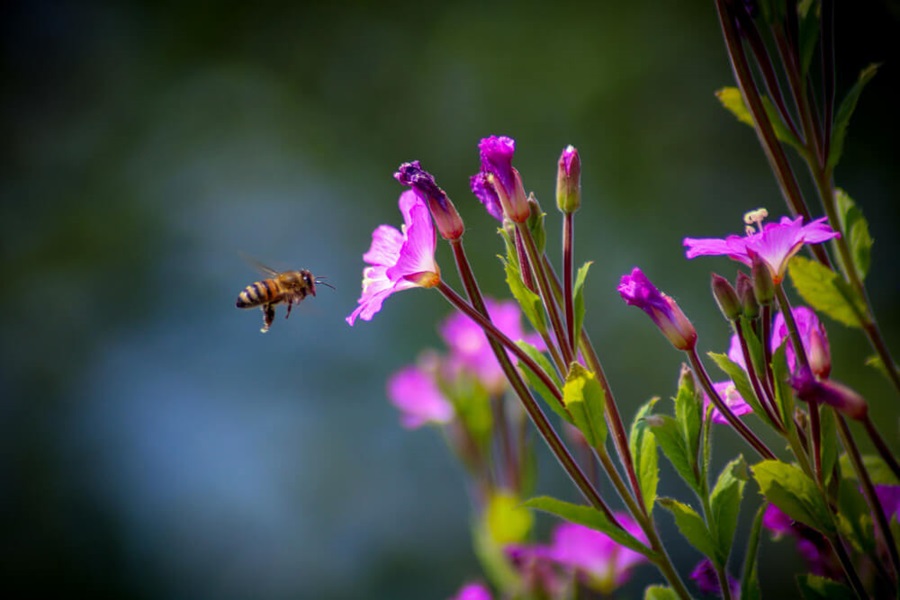
This part of the activity of building a bug hotel will help to accommodate different areas with tunnels, cosy beds, and more which will aid outdoor creatures.
- Use decaying wood and loose bark to accommodate an array of creepy crawlies such as beetles, centipedes, spiders, and woodlice.
- For solitary bees, incorporate holes and small tubes made from natural materials like bamboo, reeds, and drilled logs—avoid using plastic. You could even add plants for bees and butterflies too.
- For frogs and toads that appreciate cool and damp environments, create larger holes and include stones and tiles. Placing this section in the centre provides them with a frost-free shelter for winter while helping control slugs.
- To attract ladybirds (natural aphid eaters), as well as other beetles and bugs, provide dry leaves, sticks, or straw.
- Include corrugated cardboard to accommodate lacewings, whose larvae are also aphid predators.
- Include a layer of dry leaves to mimic a natural forest floor.
- For added diversity, consider integrating a hedgehog box into the base of the bug hotel.
Make sure your bug hotel remains undisturbed by adding these plants to deter cats as well as other pests to keep out of your garden.
3. Adding a roof

Once you’ve reached a suitable height for your bug hotel, add a roof to provide some protection from the elements. Utilise old roof tiles or cover some old planks with roofing felt.
For an eco-friendly touch, consider creating a ‘green’ or ‘brown’ roof by placing a layer of rubble or gritty soil on top. Only plants that thrive in dry conditions will flourish there, but wildflower seeds may find their way to sprout.
Scatter some wildflower seeds around the bug hotel to provide nourishment for butterflies, bees, and other pollinating insects.
If you’d like, give your bug hotel a name and display a sign outside. Don’t forget to share your new abode on social media, inspiring others to embark on similar projects!
Decorate your benches with our wonderful garden bench covers to protect them from all outdoor elements.
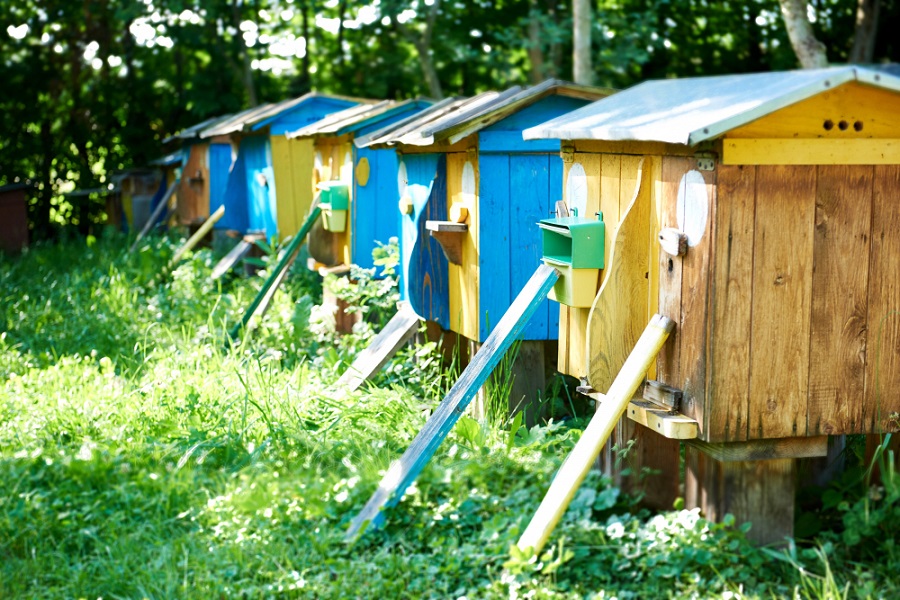
Other Types of Bug Hotels That You Can Build
Of course, there are many varieties of bug hotels that you can create. If you would prefer better examples of bug hotels to base yours on, here are some options.
Log Pile Lodge

The presence of decaying wood holds great significance for wildlife. Creating a log pile requires gathering small logs, large sticks, and sections of rotting wood. Arrange them in a moist and shaded corner of your garden, and for added cosiness, fill the gaps with dead leaves.
Log piles provide a haven for creatures like centipedes, woodlice, and beetles, which thrive in decaying wood. Additionally, they might attract birds, frogs, and hedgehogs in search of a delectable treat!
Learn more about the key features to incorporate in wildlife gardens.
Pinecone Palace for Ladybirds
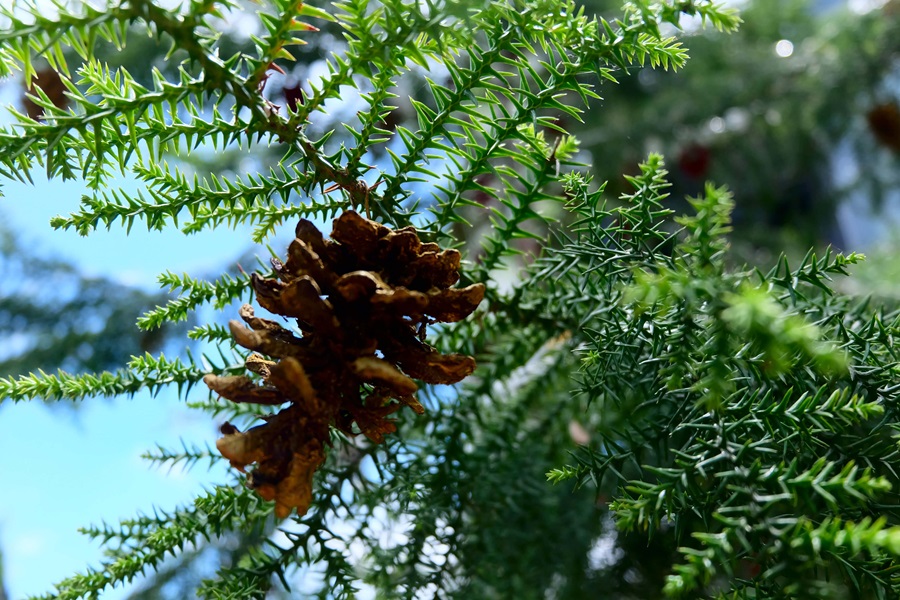
Make ladybirds feel like queens by constructing a pinecone palace for them.
- Collect a handful of pinecones and tightly group them, allowing the scales to interlock slightly. Fill any gaps by inserting dried leaves.
- Find a tranquil spot within your garden shed or garage to position the pinecones.
- This cosy setup is perfect for attracting ladybirds and lacewings, as they will relish crawling into the crevices and seeking refuge among the leaves.
Twig Tower Block
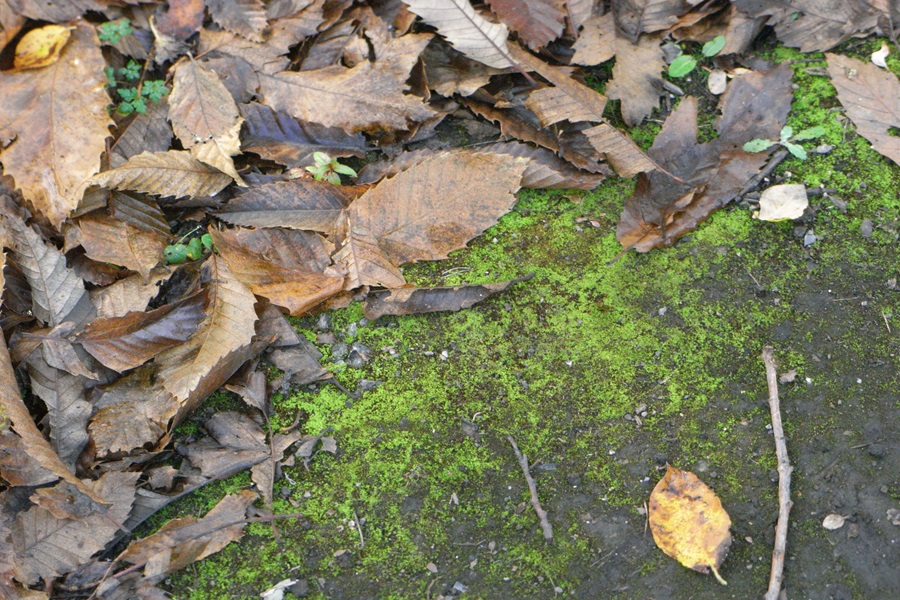
Get your wildlife insects to stick around by turning your bug hotel into a twig tower block.
Collect a selection of sticks and locate a serene, protected area outdoors. Stack the sticks together, ensuring to fill the gaps with smaller twigs and dry leaves.
This setup is ideal for attracting ladybirds and lacewings, as they will delight in crawling into the crevices and finding seclusion among the leaves.
Do not worry about flies interfering with your bug hotel with our guide on types of fly-repellent plants.

Pot Pad
A pot pad is another creative and unique bug hotel idea.
Start by gathering some dried, hollow stems and carefully insert them into an old terracotta plant pot[ii]. Ensure the stems are cut or broken to the appropriate length and tightly packed, striking a balance between security and avoiding squishing them.
Find a dry location that receives winter sunlight and create a small “nest” for your pot using a stack of stones. Position the pot with its open end slightly tilted downwards to prevent rainwater from filling it.
This setup is particularly beneficial for bees, which deposit their eggs in hollow stems and seal the ends with mud.
Engaging in this fantastic activity as a family not only brings enjoyment but also contributes to the well-being of local wildlife.
Create a Perfect Bug Hotel Fit for Wildlife
Building a bug hotel is a wonderful project that offers shelter to a variety of fascinating creatures in your garden. By incorporating decaying wood, pinecones, sticks, and dried-out hollow stems, you can create cosy spaces for beetles, centipedes, ladybirds, lacewings, and bees. Choosing the right location, providing diverse habitats, and adding water sources and wildflowers enhance the bug hotel’s appeal. It’s a delightful activity the whole family can enjoy while fostering biodiversity and providing vital havens for beneficial insects. So, gather your materials, let your creativity soar, and embark on this eco-friendly adventure to create a bug hotel that will bring joy and amazement to your outdoor space.
FAQs
A bug hotel is a man-made structure designed to provide shelter and nesting sites for various beneficial insects, such as bees, ladybugs, butterflies, and other pollinators. It mimics the natural habitat features that these insects seek, helping to support biodiversity and promote a healthy ecosystem.
Bug hotels serve as valuable habitats for beneficial insects, which play essential roles in pollination, pest control, and overall ecosystem balance. By constructing a bug hotel, you can attract and provide a safe haven for these insects, contributing to the conservation of biodiversity and supporting your garden’s health.
Select a location that receives some sunlight but also has shaded areas. Ideally, place the bug hotel near flowering plants or a garden with diverse vegetation. Ensure that the area is protected from strong winds, as this can make the insects uncomfortable.
Common materials used for bug hotels include logs, wooden pallets, bamboo canes, bricks, stones, pine cones, straw, dry leaves, and clay pots. These materials provide different-sized cavities and crevices to accommodate a variety of insects.
Start by creating a sturdy frame using logs or wooden pallets. Fill the frame with different materials, such as bamboo canes, drilled logs, and stacked bricks, to create a variety of insect-friendly spaces. Layering different materials and leaving gaps will provide diverse habitats for insects to occupy.
Start by creating a sturdy frame using logs or wooden pallets. Fill the frame with different materials, such as bamboo canes, drilled logs, and stacked bricks, to create a variety of insect-friendly spaces. Layering different materials and leaving gaps will provide diverse habitats for insects to occupy.
Bug hotels can attract a wide range of beneficial insects, including solitary bees, ladybugs, lacewings, beetles, spiders, and some species of butterflies. Each insect has different habitat preferences, so providing a diverse range of materials will attract a greater variety of species.
Bug hotels require minimal maintenance. Periodically check for any damage or signs of decay and make necessary repairs. Replace any materials that have become moldy or rotten. Cleaning the bug hotel should be avoided, as it may disturb overwintering insects.
Bug hotels are specifically designed to attract beneficial insects that play vital roles in the ecosystem. While it is possible for some pests to inhabit bug hotels, the presence of beneficial insects often helps maintain a balance, as they can prey upon or compete with harmful pests.
The ideal time to build a bug hotel is during the late winter or early spring, before insects become active. This allows the bug hotel to be ready and available for insects seeking nesting sites or overwintering habitats.
Bug hotels can be built in various sizes and styles to suit different garden spaces, from small balconies to large yards. However, the availability of suitable insect habitats and the variety of attracted insects may vary depending on the location and surrounding environment.
Sources
[i] PetKeen. (n.d.). Types of Hedgehogs. [online] Retrieved from: https://petkeen.com/types-of-hedgehogs/ [accessed 16/06/23]
[ii] Crocus. (n.d.). The Tool Shed: Pots & Containers. [online] Retrieved from: https://www.crocus.co.uk/products/_/the-tool-shed/pots-containers/plcid.767/plcid.790/vid.344/ [accessed 16/06/23]

Anna is the marketing and office manager for Garden Benches – a premium supplier of high-quality wooden benches and other outdoor furniture.
