


Share
Winter may seem like quite a dismal time in the garden. All the autumnal colours are fading, the days are shorter, and it’s the time when you have to put your garden to bed, confirming the end of the growing season. However, just because the weather’s making you feel worn out doesn’t mean your garden is too. Although planting and nurturing seeds aren’t at the very top of the list, there are still plenty of winter garden jobs that you need to keep on top of. So, to help keep your green fingers busy over the cold months, here is the ultimate winter gardening guide for you to follow to guarantee a bountiful spring.

Winter Gardening Jobs
The list of gardening jobs for the winter may not be as long as those for the other seasons, though they are equally as important. Taking proper care of your garden through the dormant months will make for a more bountiful, low maintenance spring, so set the time aside in your schedule to get ahead this season.
Plant Winter Flowering Bulbs
If you haven’t already, make planting winter flowering bulbs top of your list. Doing so at the beginning of the season by the very latest will mean bright colours from January through to spring.
Deadhead Autumn Flowering Plants
As autumn draws to a close, deadhead the plants from the season that are beginning to fade. This will keep the plants looking nice and encourage more blooms next year.
Prune Summer Flowering Shrubs
Severely reduce any summer flowering shrubs before growth begins to save you a job in the spring and support healthier growth.
Mend Any Structures
To ensure your plants will survive the winter, check their support structures early. Then, get any repairs done before the elements cause even more damage.
Protect Plants
Move potted plants indoors, to the greenhouse or to a more sheltered garden area to avoid damage. For bed plants, try adding mulch over the roots or covering them up before frosts can get to them.
Dig New Garden Beds
If you have clay soil, you can now dig new garden beds. First, however, make sure that the ground is dry and hasn’t been affected by a recent frost. If you have sandy soil, you should wait until spring to dig your beds to avoid moisture loss.
Harvest Vegetable Garden
Harvest the last of your crops and store any root vegetables. Make sure you discard any harvested crops that aren’t in good condition.
Cover Empty Beds
Cover any flower or vegetable beds that you aren’t using with landscape fabric or weighted down cardboard over winter. This will prevent the loss of nutrients and help the soil warm up quicker in the spring.
Spread Out Compost
Fork in compost to your beds now for healthier plants next spring. If you have no-dig raised beds, spread it on top.
Put Out Bird Feeders
Providing a mix of nuts, seeds and dried fruit, plus a birdbath, will give the birds a food source when it’s harder to find. Make sure that you replenish both regularly.
Clean Your Tools
Clean, sharpen and fix any gardening tools now while you don’t need them. Now’s also an excellent time to clean out greenhouses and potting sheds.
Protect Garden Furniture
You should protect garden seats, tables, loungers and benches through the winter for longevity and quality. You can treat your wooden furniture to protect it from the elements, then cover it in cushions for an all-year-round seat, or invest in a cover for fully guaranteed protection.
Order Seeds For Spring
Get ahead on ordering your seeds for next year to avoid disappointment.
Winter Prune Fruit Trees
Fruit trees are dormant during winter, so give them a thorough pruning for more bountiful growth.
Sow Vegetables Indoors
Start growing your vegetables indoors, and sow plants that you will plant outside in spring. You can also chit potatoes now.

Best Winter Garden Plants
Winter is a surprisingly bountiful season if you plant smartly. Many hardy vegetables will survive through the temperatures with the proper care, and it’s the perfect time to get a head start on the growing season next year. So take good care of these crops, whether you grow them indoors or are brave enough to try outside, and you can continue flexing your green fingers throughout winter.
Flowers
- Tulip bulbs
- Lily bulbs (early winter)
- Pasque Flower
- Storksbill
- Saxifrages
- Primula
- Dianthus
- Begonia
- Salvia
Fruit
- Raspberry canes
- Strawberries
- Blackberries
- Gooseberries
- Blueberries
- Rhubarb crowns
Vegetables
- Winter Purslane
- Pea shoots
- Broad bean shoots
- Winter lettuces
- Kale
- Spinach
- Mooli
- Turnips
- Sweet peas
- Broccoli
- Sprouts
- Chard
- Garlic
- Leek
- Parsnip
- Cauliflower
Shrubs
- Cotoneaster sternianus
- Lavender
- Ivy
- Holly
Trees
- Bare-root fruit trees
- Magnolia trees
Herbs
- Land cress
- Rocket
- Coriander
- Creeping thyme
- Parsley
- Dill
- Mint
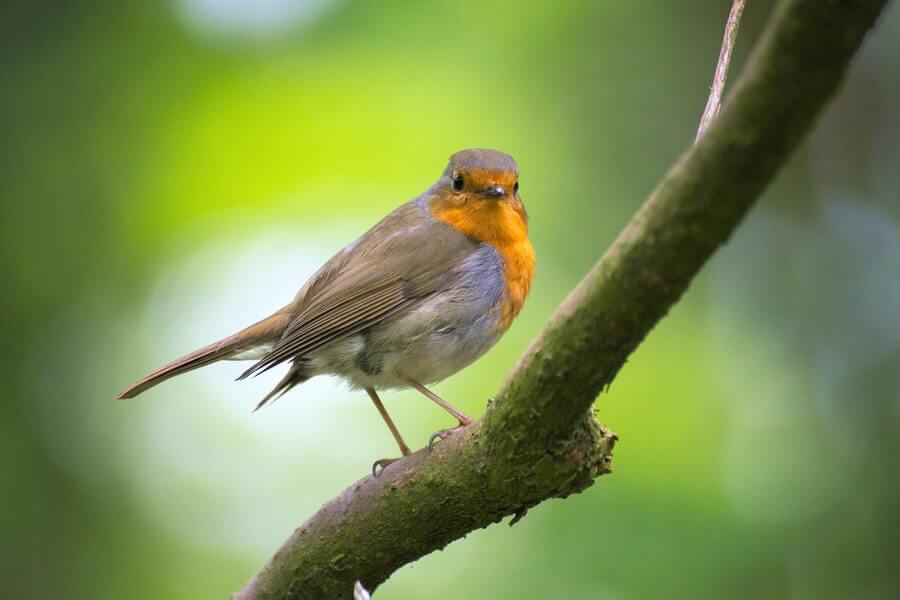
Winter Garden Birds
Although there are several species of wildlife that may crop up in your garden over winter, you’re sure to see a few kinds of birds passing through.
- Robins
- Chaffinches
- Brambling
- Goldfinches
- Bullfinches
- Dunnocks
- Goldcrests
- Blue tits
- Long-tailed tits
- Coal tits
- Nuthatches
- Blackbirds
- Redwings
- Fieldfares
- Waxwings
- House sparrows
- Tree sparrows
- Starlings
- Woodpigeons
- Siskins
- Blackcaps
How To Attract Birds Into Your Garden
Since winter is a dry season for many birds, they will be looking for closer food, drink, warmth, and safety sources. To make your garden a bird-friendly paradise, you can:
- Set up bird feeders
- Leave out fresh water
- Provide safe nesting spots
- Plant bird-friendly plants
- Protect it from predators
- Encourage other wildlife for a healthy ecosystem

General Winter Garden Maintenance
Winter in the garden is primarily about clearing up and getting ready for the spring, so there’s a bit of general maintenance you should keep on top of to ensure healthy growth next year.
Lawn Winter Care
Grass plants damage easily, especially during colder conditions, so taking good care of your lawn in winter will mean beautifully fresh growth in the summer. To protect your lawn well during the colder months, you should:
- Keep off the grass, especially when it is wet or frosty
- Only mow the lawn if it is necessary and the conditions are suitable
- If you do cut your lawn, ensure it is at least 25% higher than during the summer
- Lightly rake off any fallen leaves and other debris
- Aerate compacted areas of the lawn with a fork or specialist equipment
- If any worm casts appear, leave them to dry, then use a stiff brush to sweep them away. Worms themselves are beneficial to the soil, so there’s no need to disturb them.
- If mole hills begin to appear, remove the earth mounds and ensure you overseed in the spring. Find out more about ridding your garden of moles here.
Garden Pond Winter Care
Caring for a garden pond through winter is vital, even though it may not be the most desired job. Taking care of a garden pond during winter is a continuous commitment, so be prepared to regularly check and maintain your pond even on the coldest days.
- Clear Leaves – Decaying leaves can disturb your ponds ecosystem. Regularly remove leaves and debris from your pond, and check any filters for blockages.
- Deadhead Aquatic Plants – Similarly, dying or you should remove dead leaves on pond plants quickly, so they don’t damage pond life.
- Alter Feeding – Fishes metabolisms decrease during winter, so only feed them two or three times a week.
- Break Any Ice – Ice often forms on the surface of a pond during winter, but this leads to the release of harmful gases. Leave at least a small area of the surface free from ice to avoid harm.
- Protect Fish from Predators – Since food sources are scarce, cover your pond with netting to stop predators using your treasured fish.
- Take Advantage of Sunlight – A garden pond needs maximum exposure to what little sunlight will be available through winter, so ensure that nothing blocks the sun’s path.
Attracting Wildlife
In the U.K., only bats, hedgehogs, and dormice hibernate[i], so there are plenty of species that you can hope to see in your garden. To attract a range of wildlife, you must leave out suitable food, fresh water and safe, sheltered spots. You could:
- Leave out a mix of seeds, dried fruit, caterpillars, earthworms, nuts and leafy green vegetables at different places in your garden to draw in various species.
- Provide saucers of freshwater
- Put up nesting boxes for birds and bats
- Allow part of your garden to overgrow to provide shelter for hedgehogs and other mammals
- Leave out wood piles for chipmunks or mice
- Create a bug hotel
- Optimise your garden to keep out predators

Start Preparing For Spring
Nothing beats the winter blues like preparing for spring! Once all your winter maintenance is taken care of, you can toss the gloomy days to the back of your mind. And, when you’re dreaming of the flourishing beds you’ll be starting in spring, you can be secure in the knowledge that, because of your hard work over winter, your garden will be more than ready for it.
For tips on preparing your garden for spring, check out our article here.
Sources
[i] https://www.wwt.org.uk/news-and-stories/news/which-wetland-animals-hibernate-in-the-uk-and-how-you-can-help-them/

Anna is the marketing and office manager for Garden Benches – a premium supplier of high-quality wooden benches and other outdoor furniture.
